Does West Coast Screening install driveway pavers?+
Paver work is handled by our paver division, North Port Pavers. We build and rescreen aluminum pool cages, lanais, screen rooms and seamless gutters, and we coordinate directly with their crews when a project involves both a paver deck and a screen enclosure.
Can pavers be installed inside an existing pool cage?+
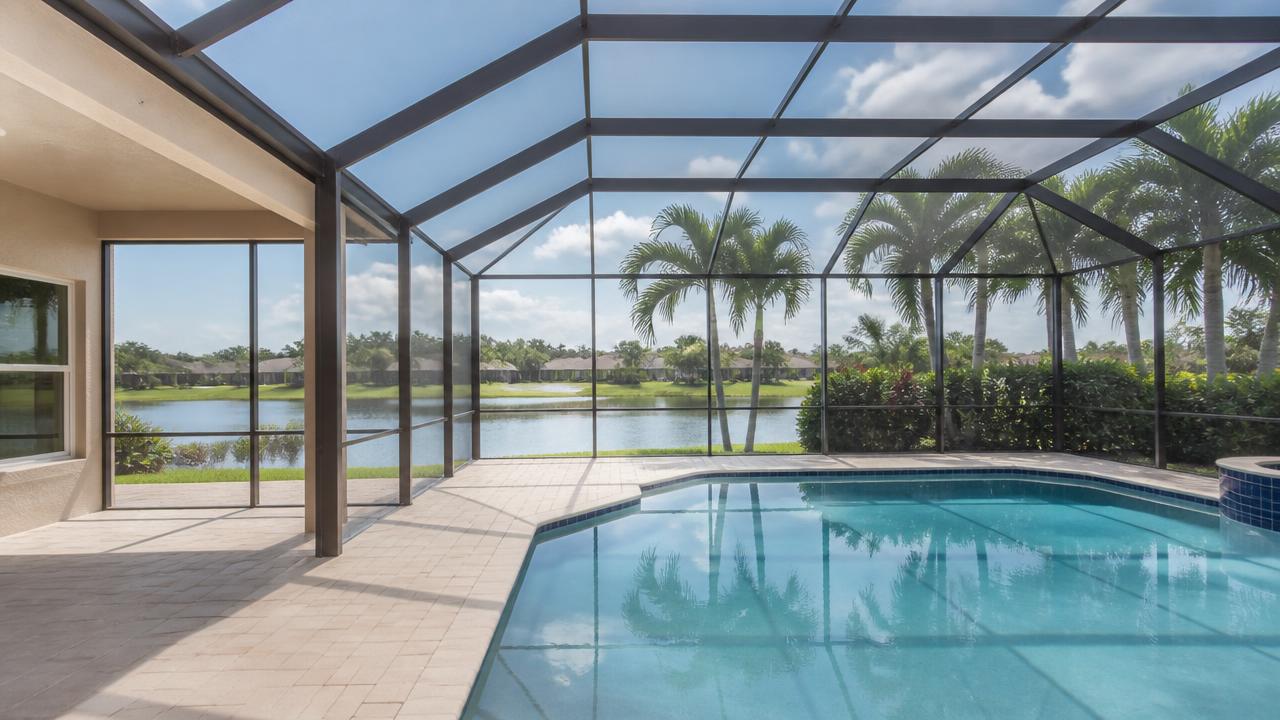
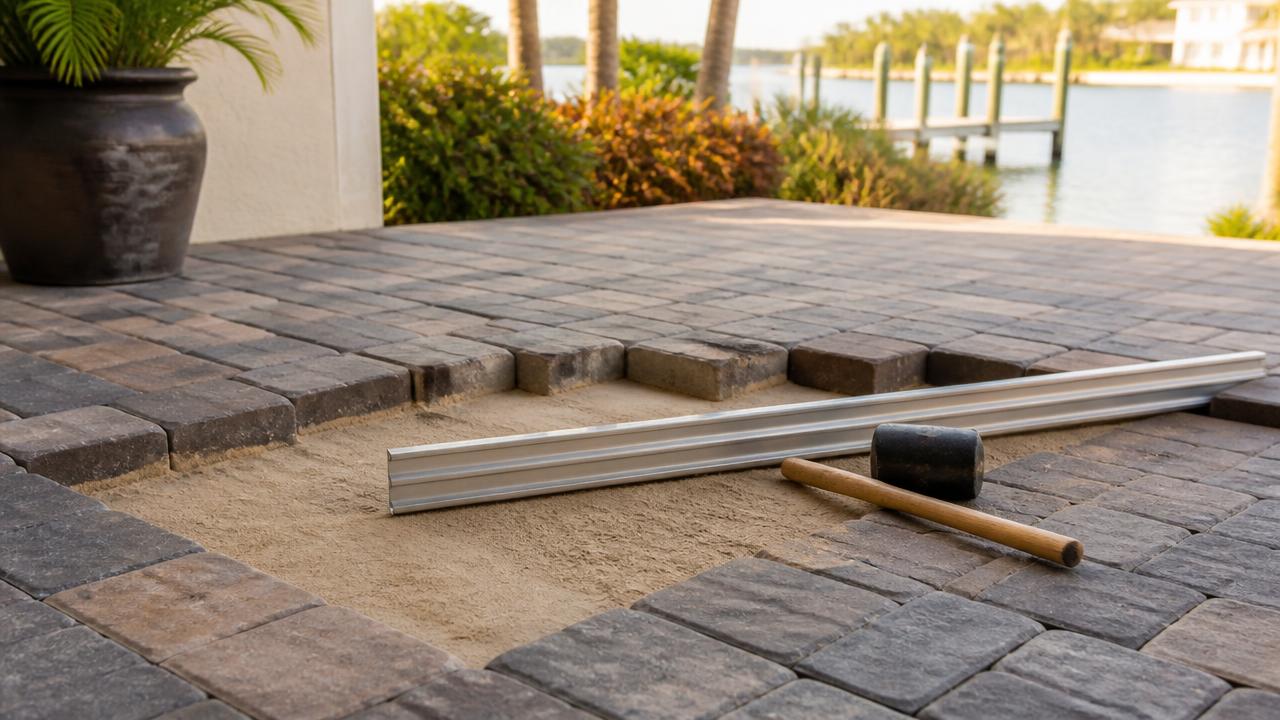
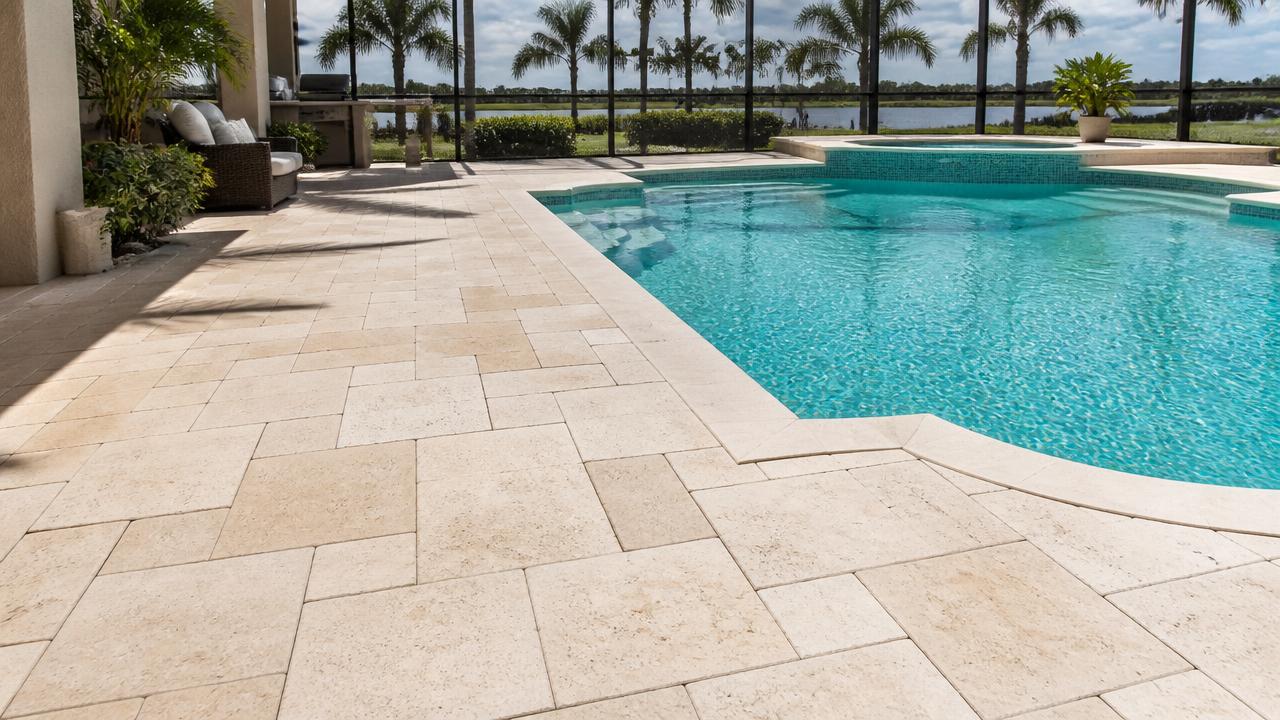
Yes. Paver installation inside an existing enclosure is a specialty job because the crew has to work around cage footers, uprights and screen panels without damaging them. Elevation at the footers, anchor locations and access for materials all need to be planned before demolition starts.
Should the pool cage or the pavers be installed first?+
It depends on the anchoring plan. On new construction the deck elevation and anchor pattern are usually set before the enclosure so the cage can be anchored into a properly prepared surface. On retrofits the enclosure is often left in place and the pavers are fitted around the existing footers.
Do pavers hold up in Southwest Florida weather?+
A paver surface should be planned for local rain, heat, soil conditions and its intended use. Material selection matters, but site-specific base preparation, compaction, edge restraint and drainage planning also affect how the finished surface performs.
Which areas does the paver division cover?+
North Port, Wellen Park, Venice, Sarasota, Port Charlotte, Englewood, Punta Gorda, Fort Myers, Cape Coral and Lakewood Ranch, which matches the Southwest Florida footprint we screen and gutter.
How do I get a paver estimate?+
Request a free on-site paver estimate directly from North Port Pavers at (941) 999-8486, or contact West Coast Screening and we will pass the project details along with your enclosure or gutter scope.
What paver materials are commonly used for driveways?+
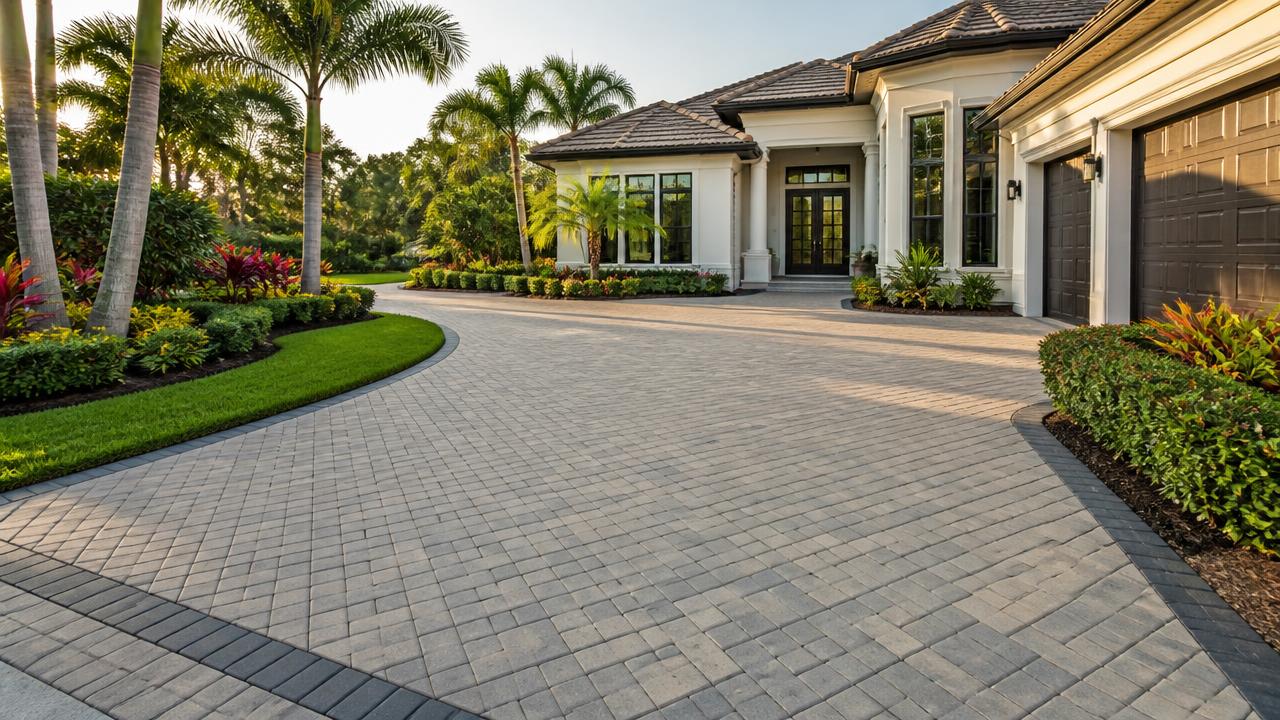
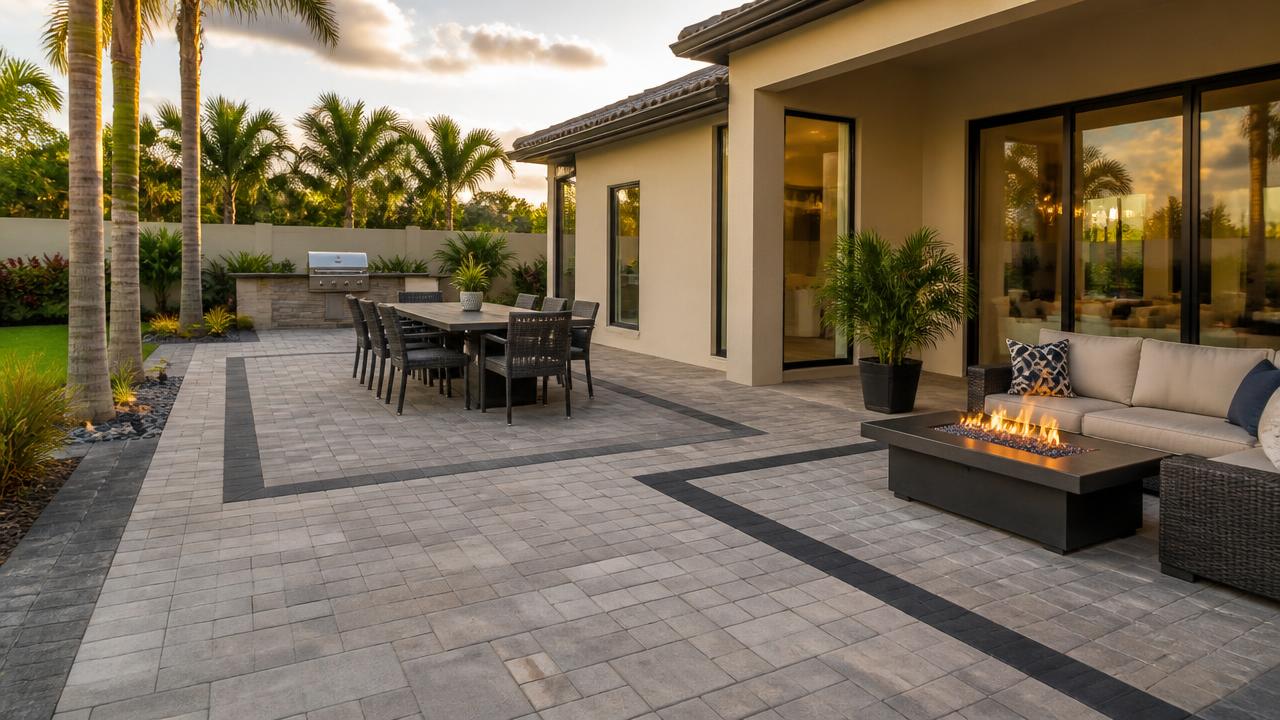
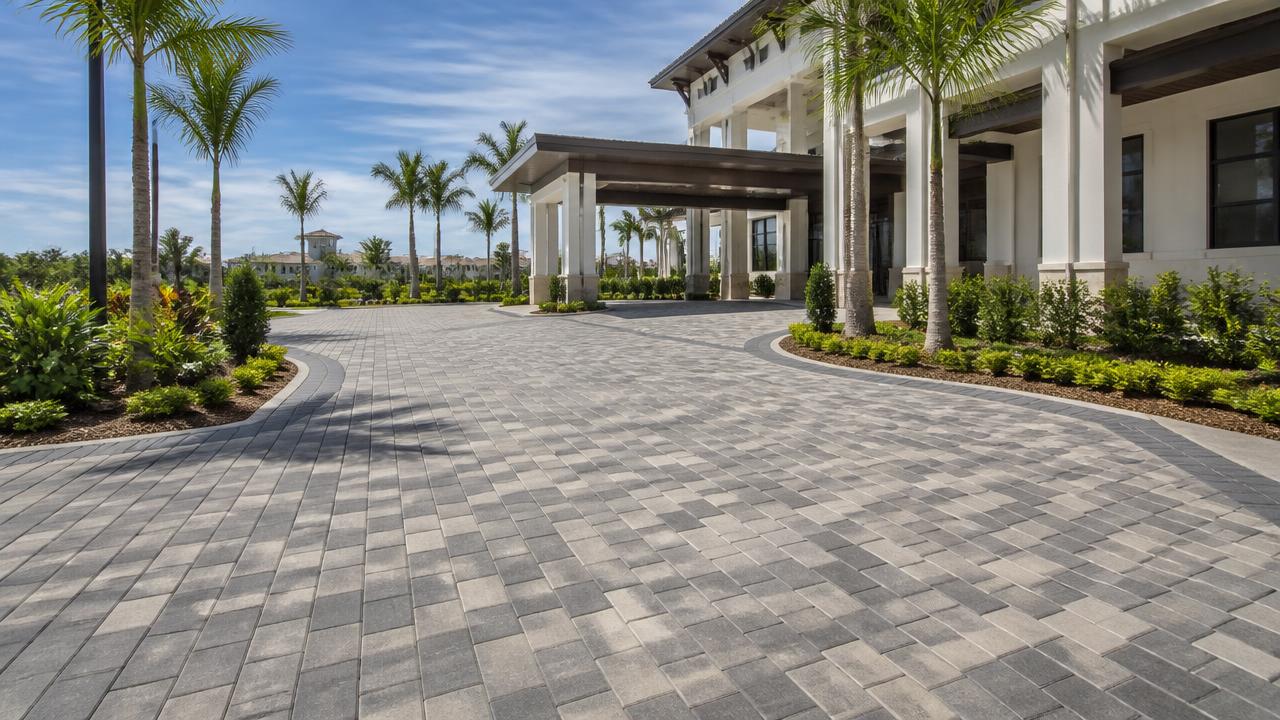
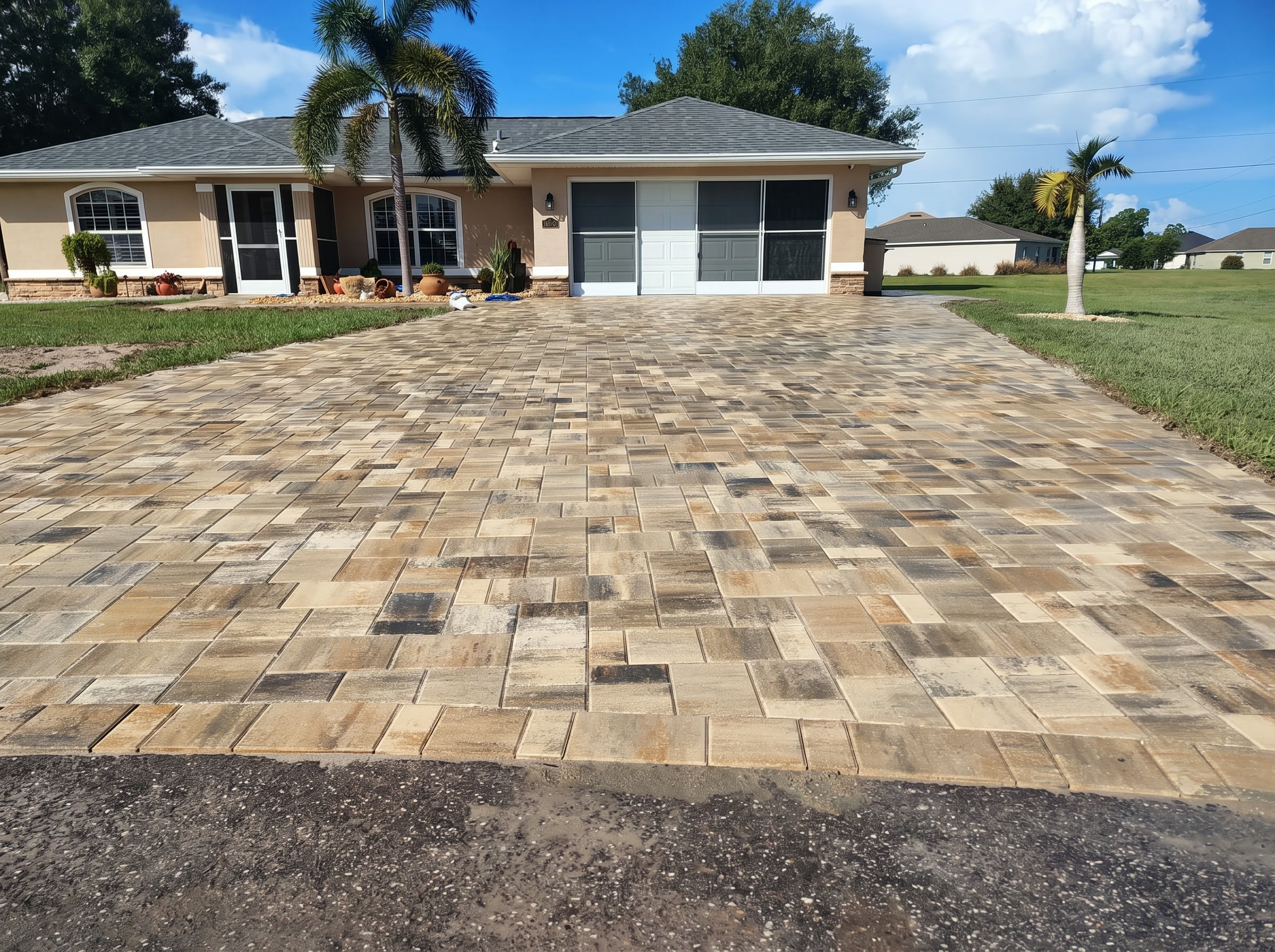
Concrete pavers and clay brick pavers are both widely used. Concrete pavers offer a broad range of shapes, colors and textures, while clay brick pavers provide a classic look. Material choice should match the surface use, the home's architecture and the site's exposure.
Can pavers be installed over an existing concrete driveway?+
Sometimes. The existing slab must be evaluated for cracks, settlement, drainage and the height added by the new paver layer. In many cases the concrete is removed so the base can be prepared correctly, but each driveway has to be assessed on site.
How is drainage planned for a paver driveway?+
Drainage is based on the actual site: existing grades, roof downspouts, garage thresholds, neighboring properties and where water is allowed to flow. The installer designs slope and drainage details to fit those conditions rather than applying a single rule everywhere.
What paver patterns are available for driveways?+
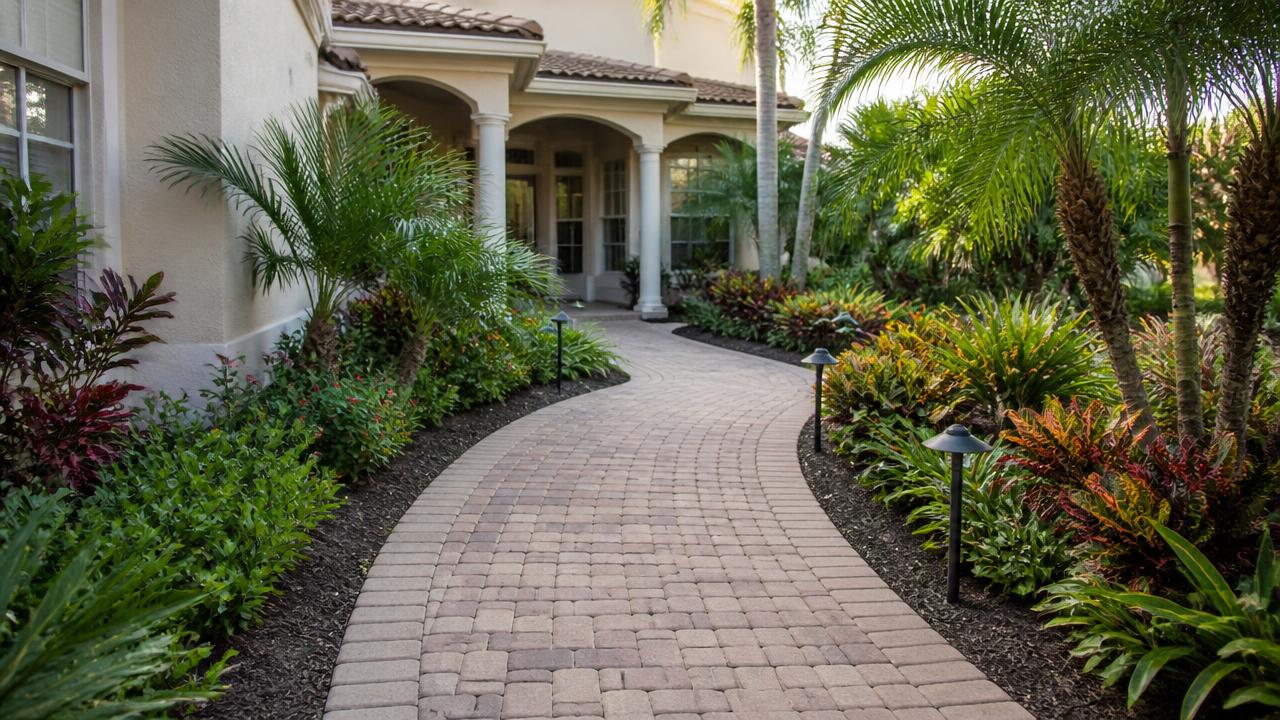
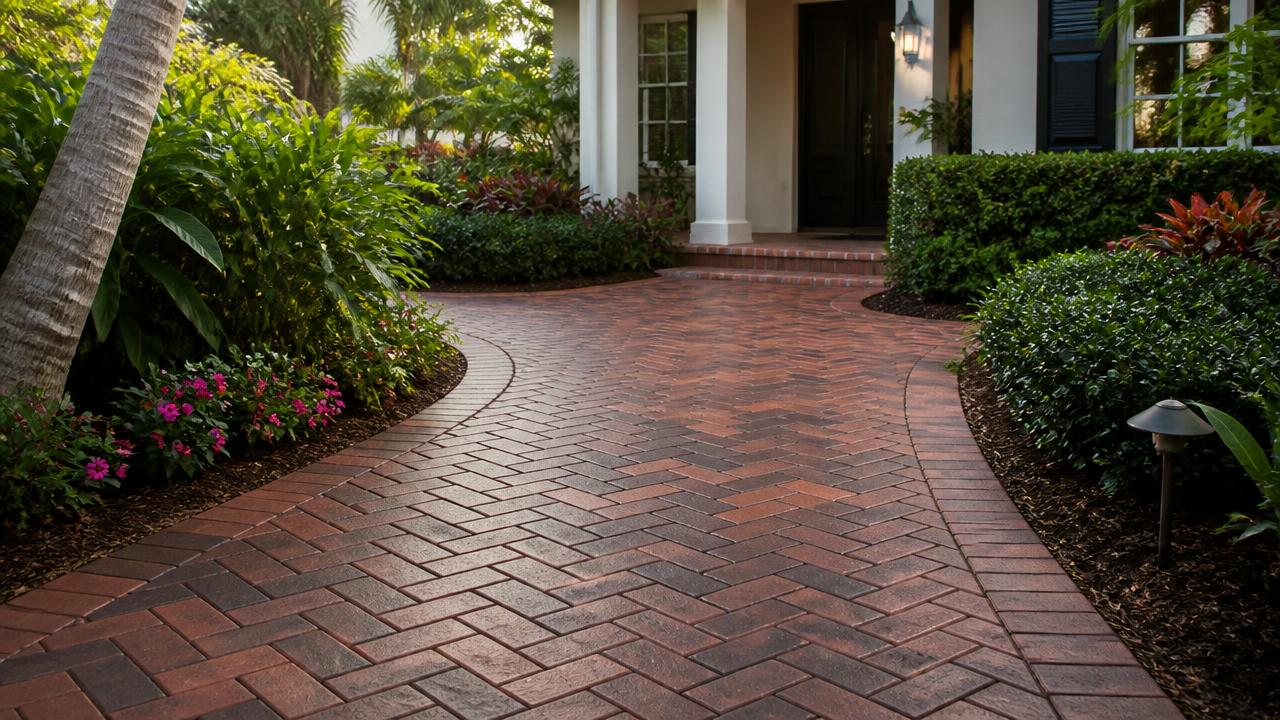
Common patterns include herringbone, running bond, basket weave and various modular layouts. Pattern choice affects visual appeal, interlock and how the surface handles vehicle loading, so it should be selected for both appearance and performance.
Do driveway pavers require maintenance?+
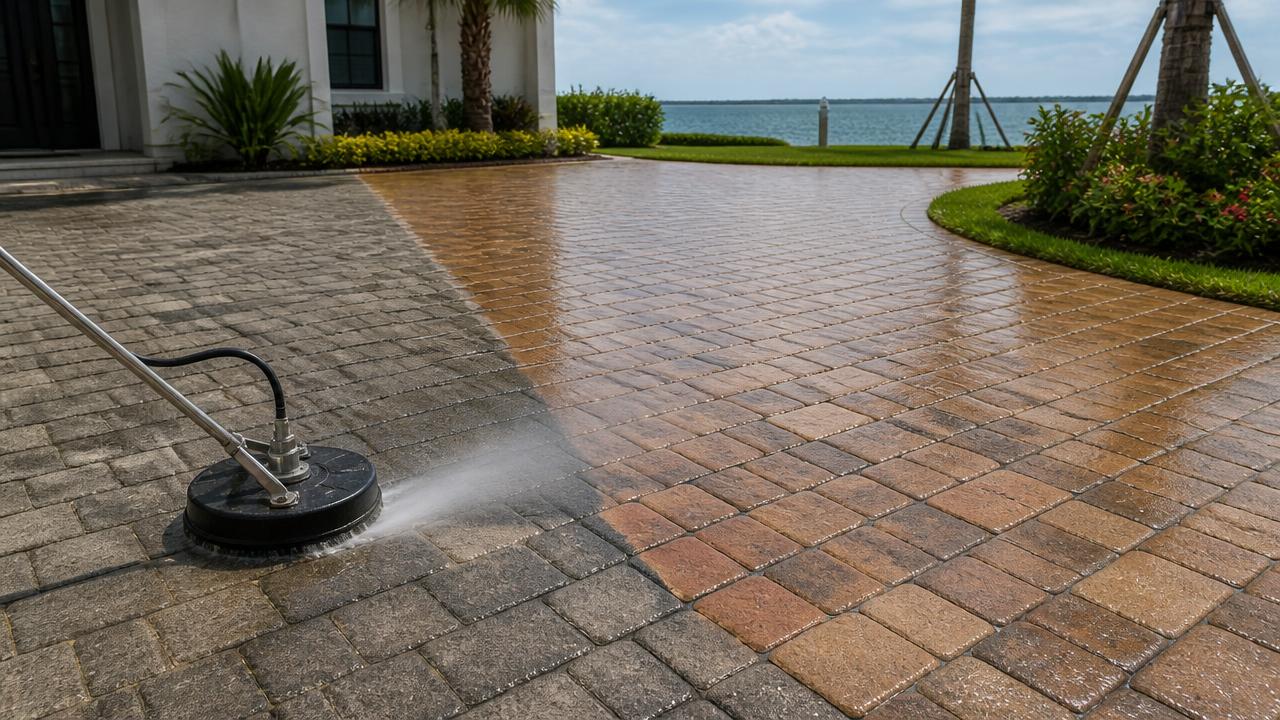
Routine maintenance helps a paver driveway stay neat and functional. This can include sweeping, occasional rinsing, joint sand replenishment and sealing when appropriate. The right schedule depends on traffic, shade, nearby trees and the type of joint material used.
Can settled or sunken pavers be repaired?+
Yes. Settled pavers can often be lifted, the underlying base reconditioned, and the pavers reinstalled. The repair should also address what caused the settlement so the same problem does not repeat.
How do paver driveways handle Florida rain and heat?+
Paver driveways perform well when they are planned for local conditions. Heat-resistant materials, proper base drainage, edge restraint and joint stabilization all help the surface endure intense sun, heavy rain and seasonal soil movement.
What is the difference between concrete pavers and brick pavers?+
Concrete pavers are molded from cement and aggregate and come in many sizes, colors and textures. Brick pavers are made from fired clay and tend to have a narrower color range with a traditional appearance. Both can work for driveways when selected and installed for the intended use.
Are driveway pavers slippery when wet?+
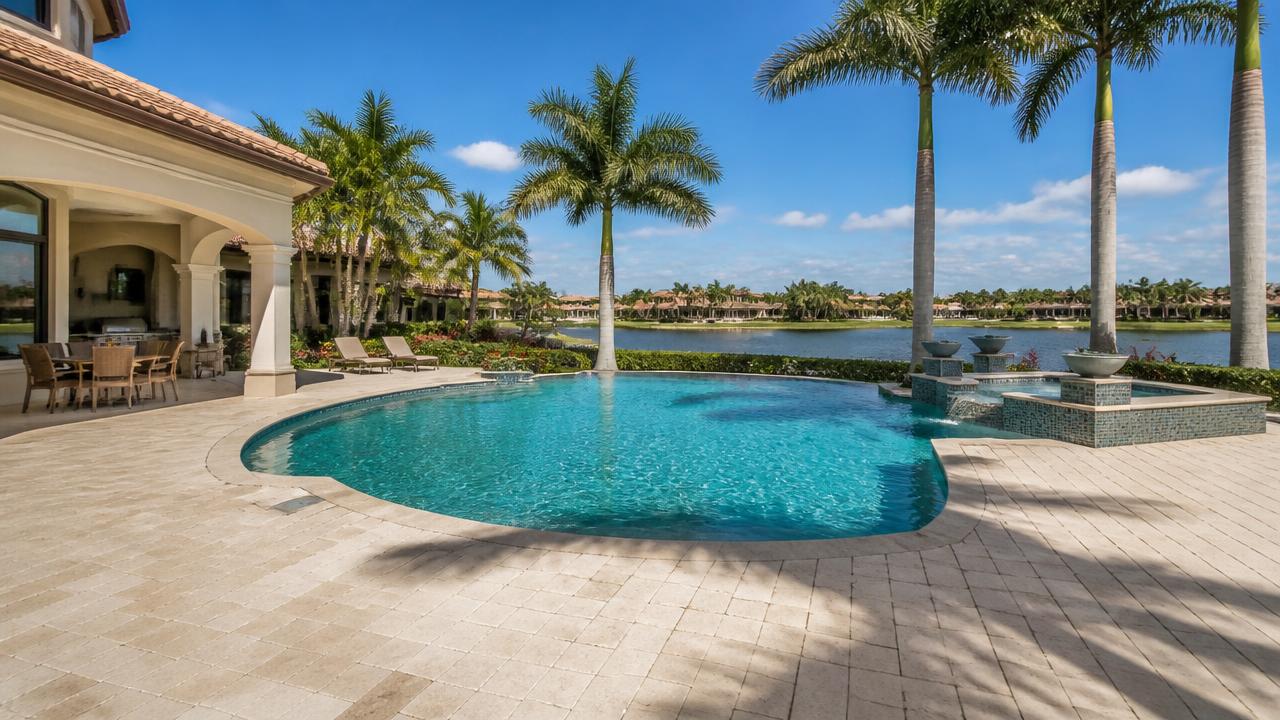
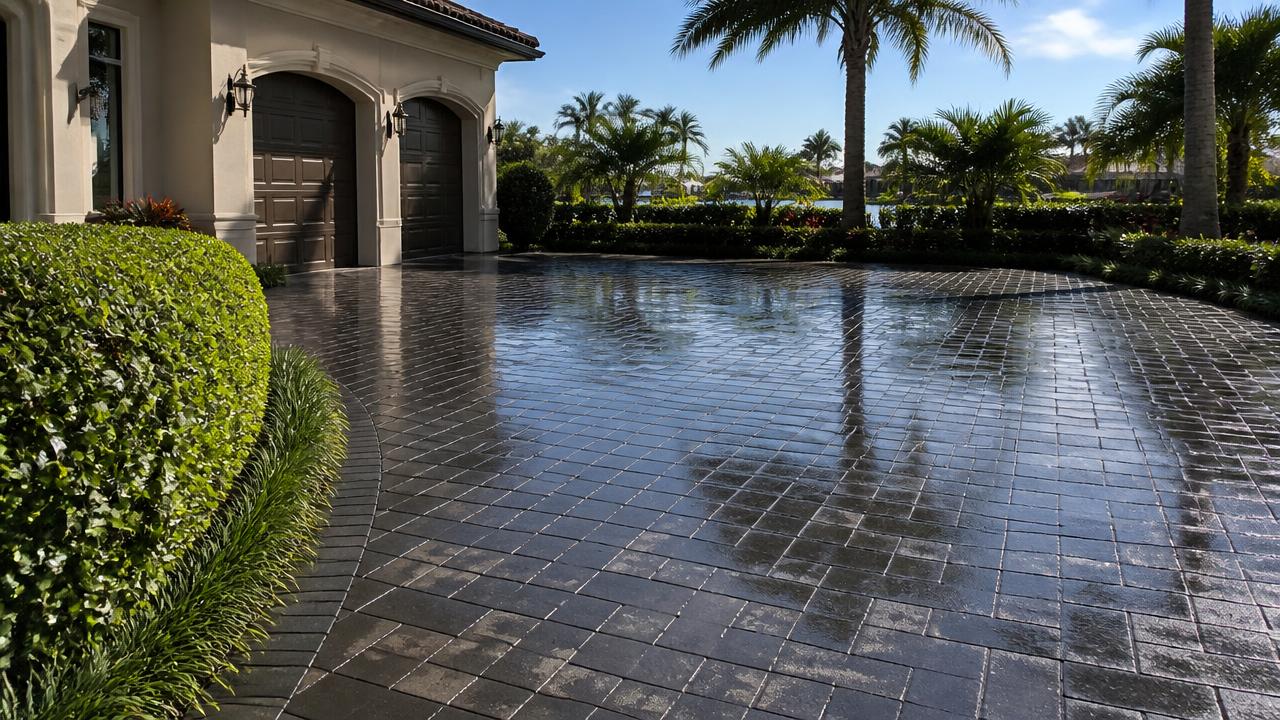
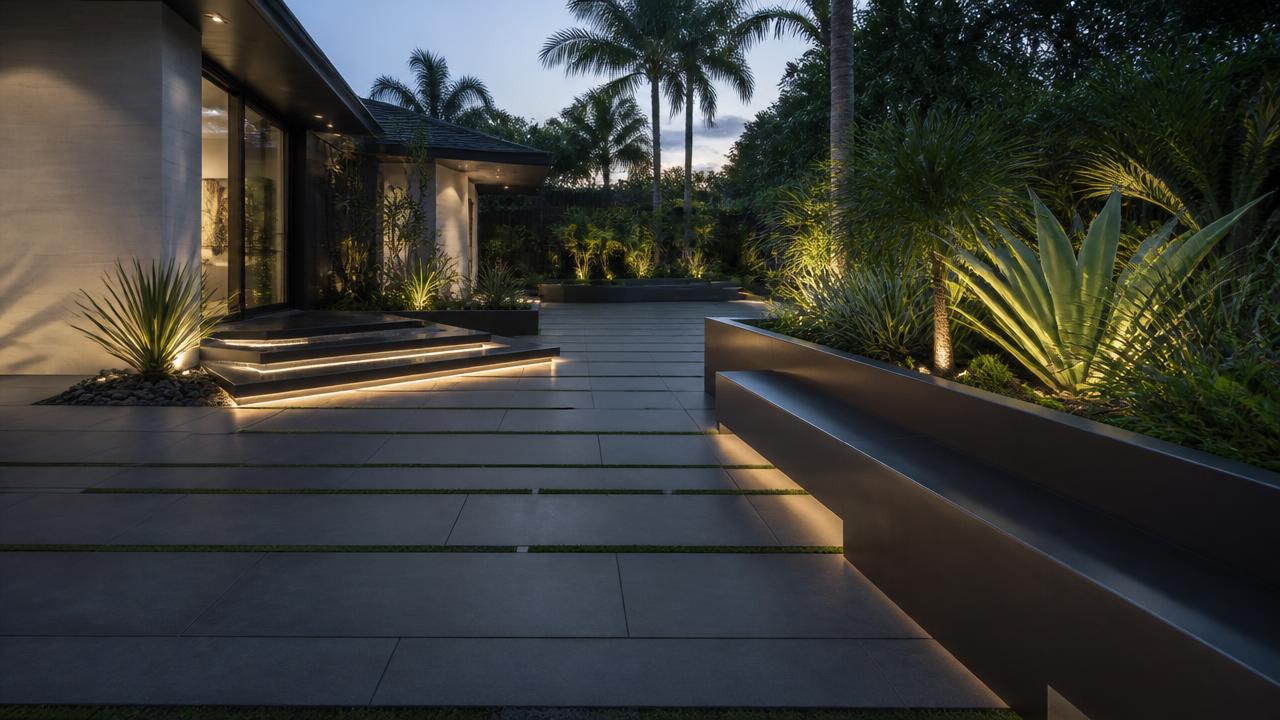
Slip resistance varies by material and surface texture. Smooth, polished pavers can become slick, while textured or tumbled pavers generally provide better traction. Pool decks and sloped driveways especially benefit from a slip-resistant finish.
Can driveway paver work be coordinated with pool cage or gutter work?+
Yes. When a project includes both pavers and a pool cage, lanai screen or seamless gutters, we coordinate scheduling, elevations and transitions so the finished systems work together and one trade does not damage the other's completed work.