A surface-treatment product applied to compatible pavers for specified appearance or protection goals; sealing is an optional maintenance choice.
Generated educational illustration — not a documented project or a photograph of the assigned metadata location.
Definition and homeowner use
A surface-treatment product applied to compatible pavers for specified appearance or protection goals; sealing is an optional maintenance choice. This definition helps separate a material or surface condition from the broader installation, repair or maintenance service that may be needed.
Sealer is not a structural repair
A sealer may affect surface appearance or provide product-specific protection. It does not correct loose edge restraint, settlement, an unsuitable base or a drainage defect.
Compare the finish first
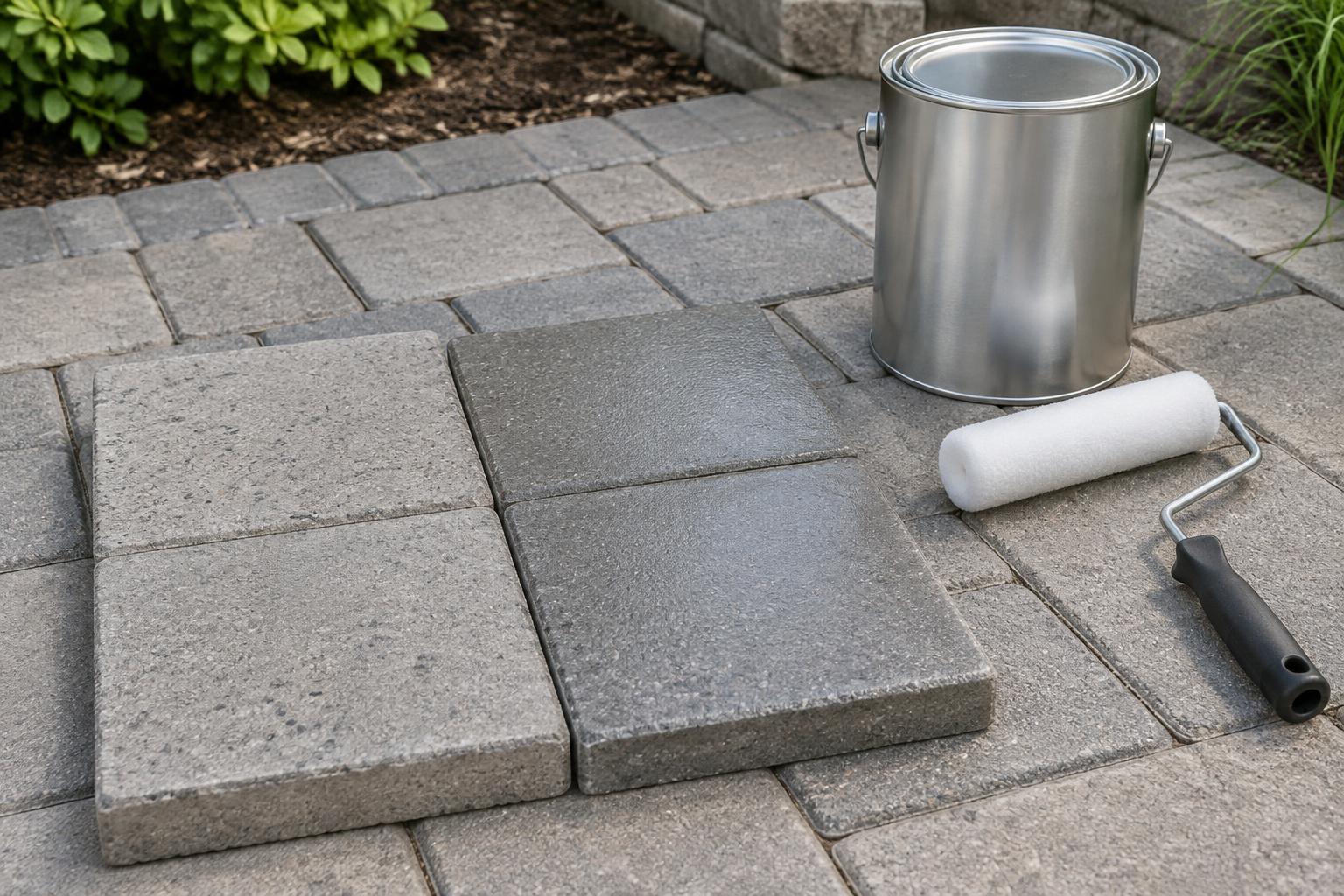
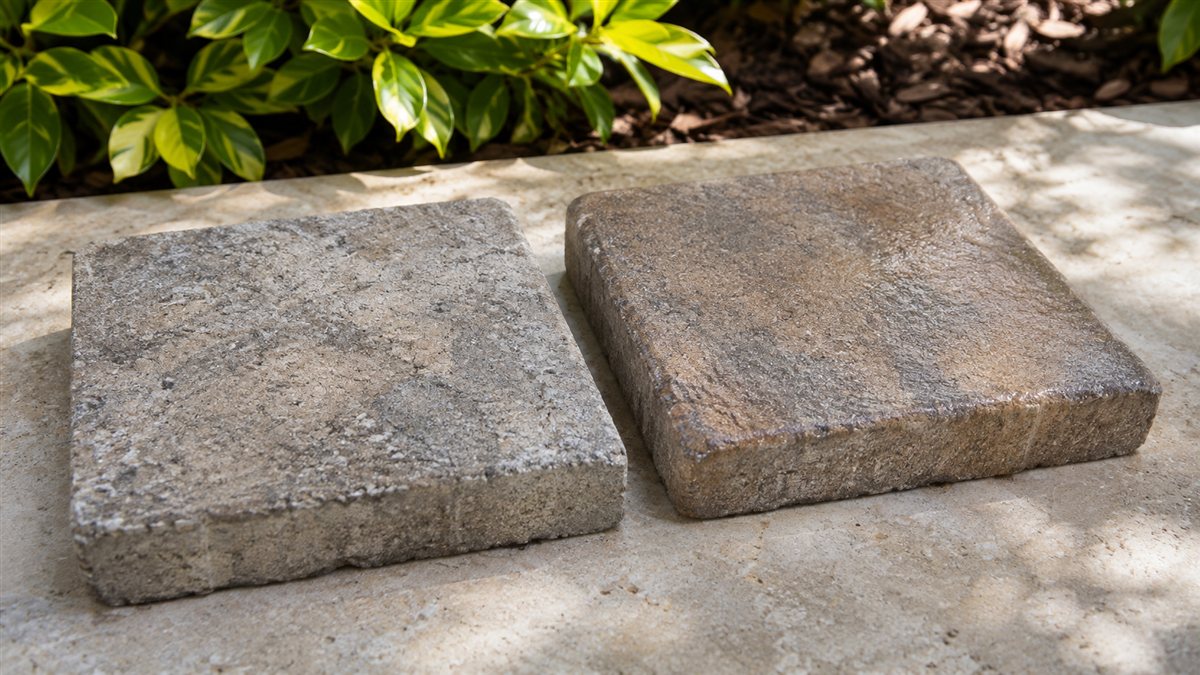
Discuss natural-look, color-enhancing and other finishes using the actual product information. Test a small sample when appearance matters. A wet-looking sample does not guarantee the same result on every weathered pavement.
Preparation and compatibility
CMHA recommends paver-specific products and following labels. Cleaning, drying, previous coatings and surface condition can affect product suitability. Do not apply a new coating merely to hide unidentified staining.
Maintenance is product-dependent
There is no universal resealing interval for all pavers. Follow the selected product’s guidance and inspect the actual pavement. Peeling, whitening or slippery areas require assessment rather than an automatic additional coat.
Requesting an assessment
Provide photos of the full area and close views of the observed condition. Mention drainage patterns, previous repairs and known cleaning or sealing products. Ask for the proposed treatment and its limits in writing; a photograph alone does not establish the underlying cause.
Manufacturer instructions apply to the identified product or system. General guidance does not establish a project-specific structural rating, code approval or repair specification.
Paver Sealer: practical planning details
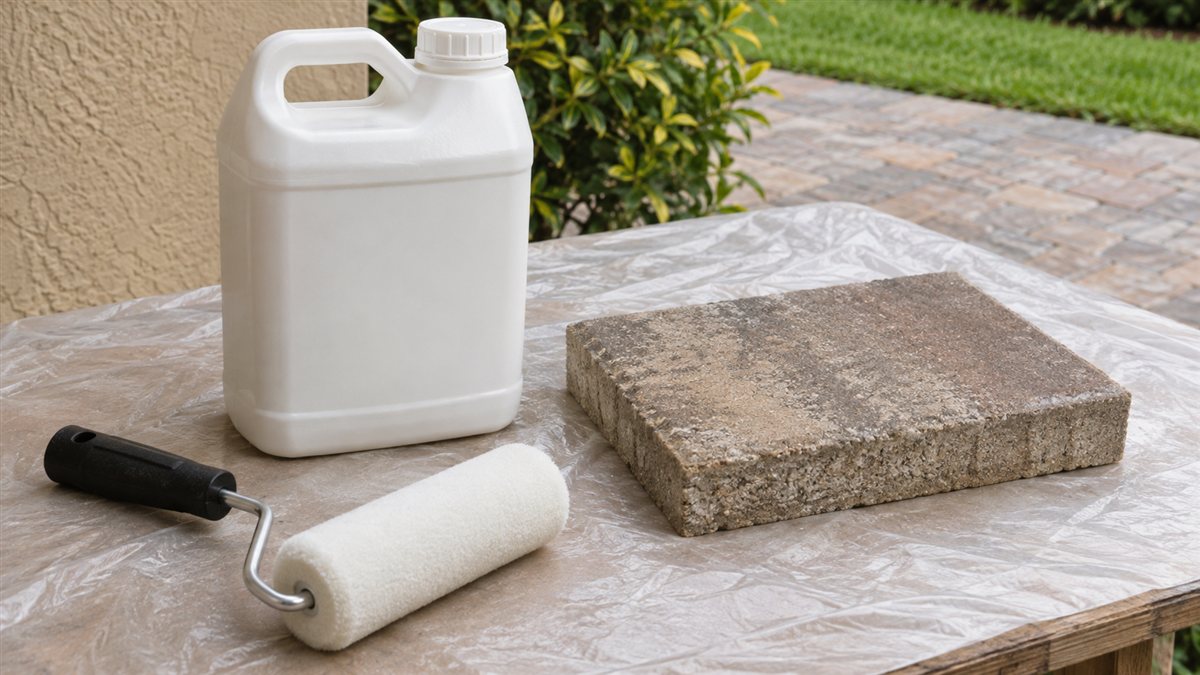
Request the sealer product, intended finish and compatibility with any existing coating. Ask what preparation and drying conditions the manufacturer requires and how a test area will be reviewed. A sample can help clarify whether the homeowner wants color enhancement, gloss or a less visible treatment. Keep those appearance choices separate from any repair needed for moving units, drainage problems or damaged joints.
A question to bring to your estimate
What does the selected sealer claim to do, and what preparation supports that result?
These references provide background for the topic. Product instructions apply to the identified product; research and general guidance do not establish the capacity, permit status or legal outcome of an individual project.
Paver Sealer: detailed decisions, inspection and care
Separate appearance from product chemistry
Natural look, wet look, matte and gloss describe intended appearance, not a complete specification. Ask for the exact product and a sample on the actual paving. Discuss whether the goal is easier stain cleanup, color enhancement, joint stabilization or a particular finish. One product may not deliver every desired effect, and a marketing finish name should not replace the technical data sheet.
For example, Techniseal’s iN technical data sheet contains product-specific compatibility, preparation and application limits. Those limits illustrate why advice for one protector should not be copied onto a different sealer. Use the current instructions for the product actually selected.
Treat an old coating as part of the substrate
Record the known product, approximate application date and previous treatments. If the coating is unknown, ask how compatibility will be evaluated before adding another layer. Include peeling, whitening, patchy sheen and areas that remain slippery in the assessment. The proposed preparation should be written down rather than left as an unspecified extra after the crew arrives.
Review the trial after it cures as directed, and compare it with untreated paving under similar light. For a pool deck, discuss the expected wet-use conditions and the product’s instructions for traction-related additives or restrictions. Do not judge the result solely by how dark the wet sample looks.
Compare sealer proposals
Decision
Detail to obtain
Product
Exact name and current technical instructions
Appearance
Accepted sample and expected variation
Preparation
Cleaning, coating removal if needed, and drying requirements
Application window
Weather, surface conditions and reopening restrictions
Future care
Compatible cleaning and conditions for recoating
Choose maintenance by condition
Ask what signs would justify cleaning, localized assessment, recoating or removal rather than another whole-area application. Keep the product information with the property records so a future provider can identify the existing finish. Where paving movement or damaged units also need repair, coordinate the sequence before sealing. That avoids paying for a new coating on units that are about to be lifted or replaced.
When leaving the surface unsealed is part of the comparison
Include an unsealed option when appearance and protection goals are still undecided. Compare the maintenance tasks, likely finish changes and actual product claims rather than assuming sealing is automatically required. A clear decision records what the owner wants the treatment to accomplish and what it will not repair.