Paver Pressure Washing: Definition and Homeowner Guide
Paver pressure washing is water-powered surface cleaning that must account for the unit material, existing finish and potential loss of joint fill.
Generated educational illustration — not a documented project or a photograph of the assigned metadata location.
Cleaning begins with identification
CMHA cleaning guidance recommends identifying stains and using products intended for concrete pavers, with an inconspicuous test area. Water pressure is a method, not a diagnosis. Check the paving material and any existing coating before broad treatment. See CMHA concrete paver cleaning, sealing and joint sand stabilization.
Protect joints and surface finishes
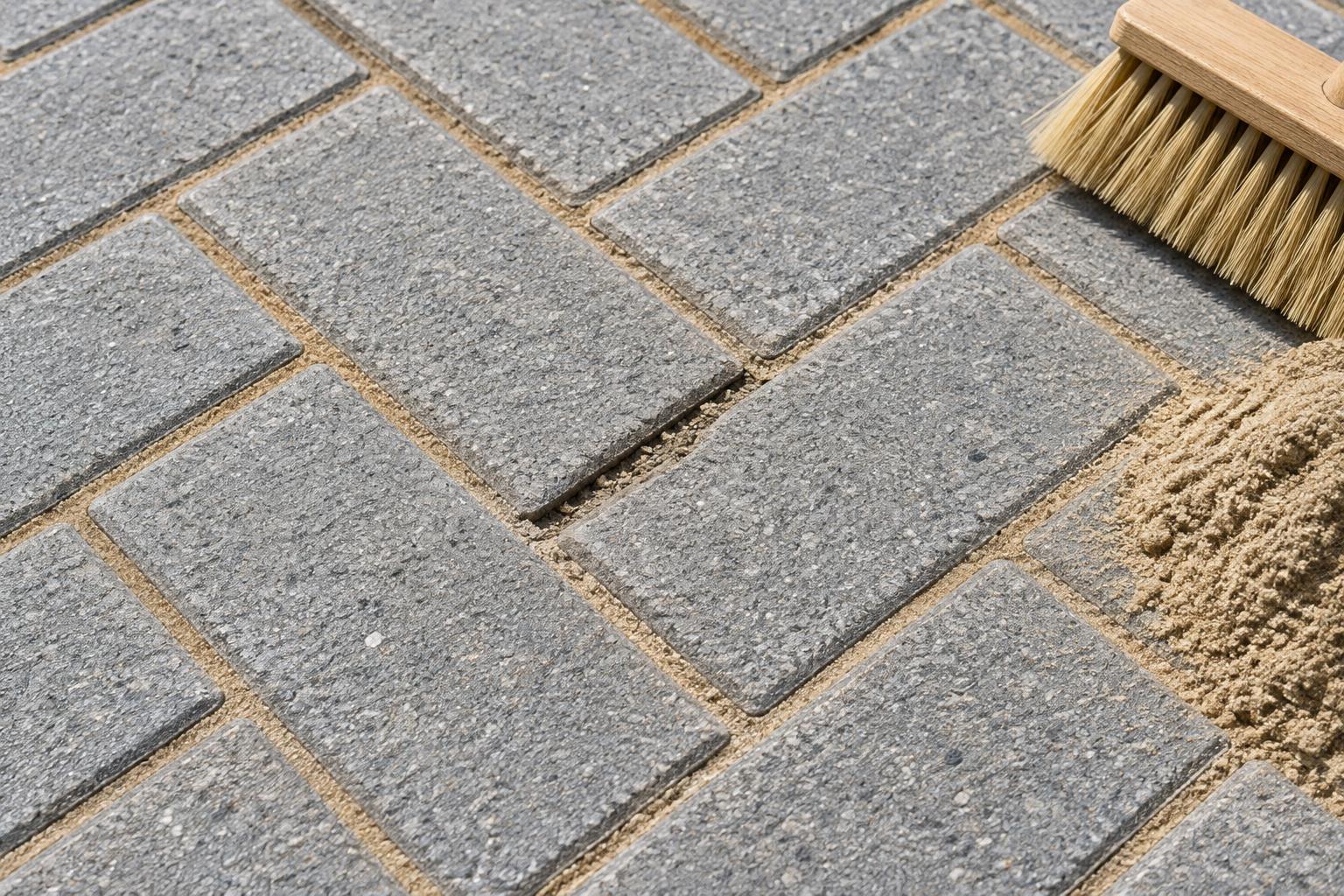
Cleaning can remove joint sand as CMHA maintenance guidance notes. Aggressive treatment may also conflict with product care instructions. There is no universal pressure setting or nozzle distance appropriate for every paver, stone and coating.
Manage runoff and nearby areas
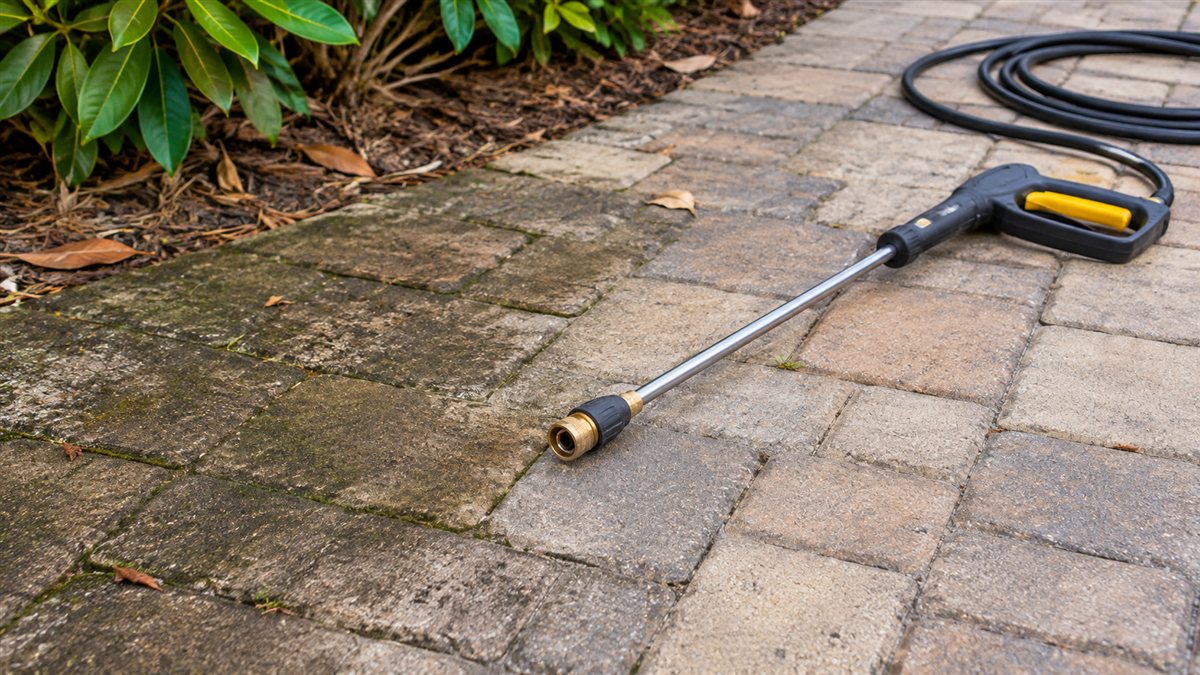
Plan where dirty water and cleaning products will travel, considering landscaping, the pool and adjacent finishes. Follow labels and applicable requirements. Do not assume every cleaner can safely enter storm drainage or be rinsed into a pool.
Finish the maintenance assessment
After cleaning, check joints and any newly apparent damage. Replenishment or other work should suit the identified assembly. Sealing remains an optional separate treatment and should not be automatically added to hide an unresolved stain or moisture condition.
Planning the next step
Identify whether the pavement carries pedestrians, vehicles or poolside traffic and provide photos of the full area, not just one joint. Mention previous repairs, known coatings and where runoff travels. Ask which observations support the proposed treatment and whether supporting layers need assessment. This guide concerns conventional concrete pavers unless a different system is specifically identified; natural stone, mortared and permeable assemblies require their own guidance.
Manufacturer instructions apply to the identified product or system. General guidance does not establish a project-specific structural rating, code approval or repair specification.
Ask the cleaner to explain the proposed method, small-area test and plan for preserving or restoring joint fill. Identify any existing coating before work begins. The cleaning outcome should be discussed alongside potential color or finish changes, rather than choosing the process by pressure alone. Record where rinse water will travel so the work can be planned around nearby landscaping, drains and the pool area.
A question to bring to your estimate
Does the scope include a test area and a joint-fill plan?
These references provide background for the topic. Product instructions apply to the identified product; research and general guidance do not establish the capacity, permit status or legal outcome of an individual project.
Paver Pressure Washing: detailed decisions, inspection and care
Define the cleaning result before choosing the equipment
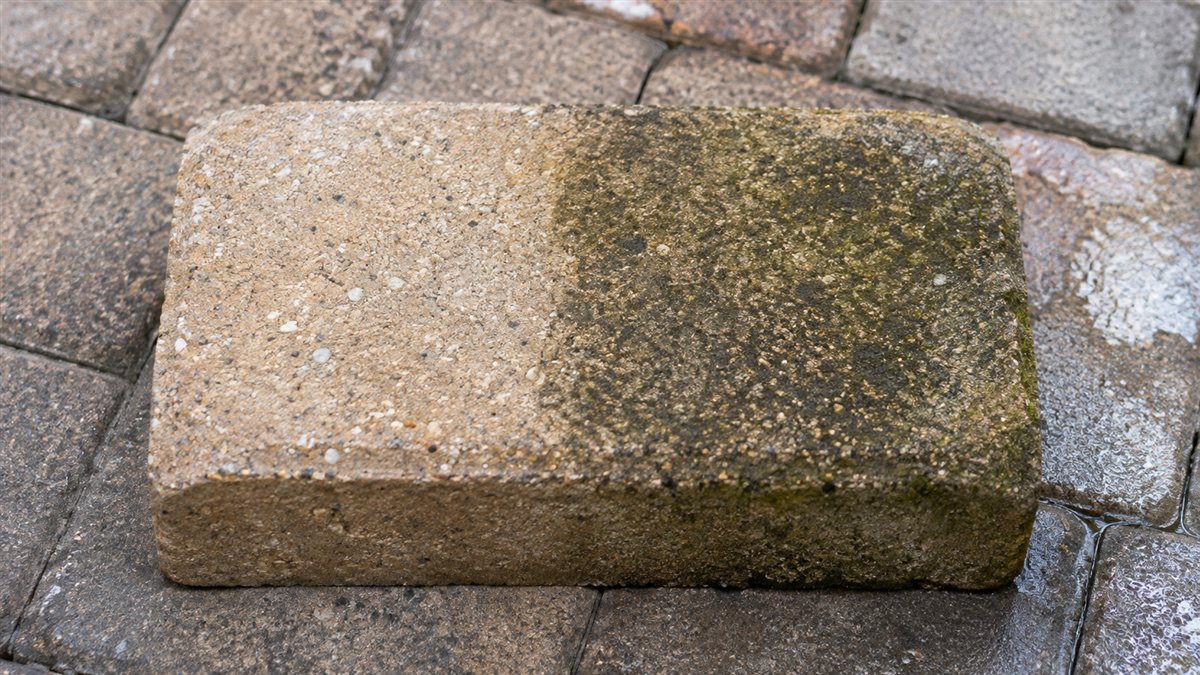
Separate general soil removal from treatment of oil, rust, organic growth, mineral deposits or a failing coating. Ask the contractor which condition the proposed process targets and what may remain afterward. A cleaning quote should identify the surface and known prior treatments so that “clean all pavers” does not conceal very different expectations.
CMHA’s cleaning guidance explains that nozzle pattern, distance, water flow and product selection influence the result. Pressure alone is not a complete method specification. Test a representative inconspicuous area and review the dry result before committing the full surface.
Include water and debris management
Walk the water route with the provider before cleaning begins. Identify the pool edge, landscape beds, door tracks, drains and any adjoining property. Ask where loosened solids and rinse water will be collected or directed, and which restrictions apply to the cleaning products. A plan that merely moves dirty water beyond the photographed area is incomplete.
Ask whether movable furniture, planters and sensitive adjacent finishes need protection or relocation. Record who handles these tasks and whether the service includes cleanup of accumulated residue after the pavement dries.
Use a different cleaning discussion for permeable pavement
CMHA’s permeable-pavement maintenance guide warns that washing without extracting suspended sediment can allow it to return into the pavement. For a permeable system, ask how the method removes the clogging material and restores the specified joint aggregate, rather than assuming that a visually bright surface demonstrates restored infiltration.
Compare the full service, not just square footage
Scope item
Question
Trial area
When will the dry result be reviewed?
Stain treatment
Which stains are included and which may remain?
Joint condition
Is displaced fill restored with the correct material?
Runoff
How are solids and cleaning solutions managed?
Optional sealing
Is this separately priced and product-specific?
Inspect after the surface dries
Review streaking, residue, newly exposed damage and joint condition with the provider. Keep the products and treatment date in the maintenance record. If a concern remains, document it before another treatment is applied. Repeated passes are not automatically the right response to a stain that has not been identified.