Paver Efflorescence: Definition and Homeowner Guide
Whitish mineral deposits that can appear on the surface of concrete pavers; appearance alone does not identify every white stain.
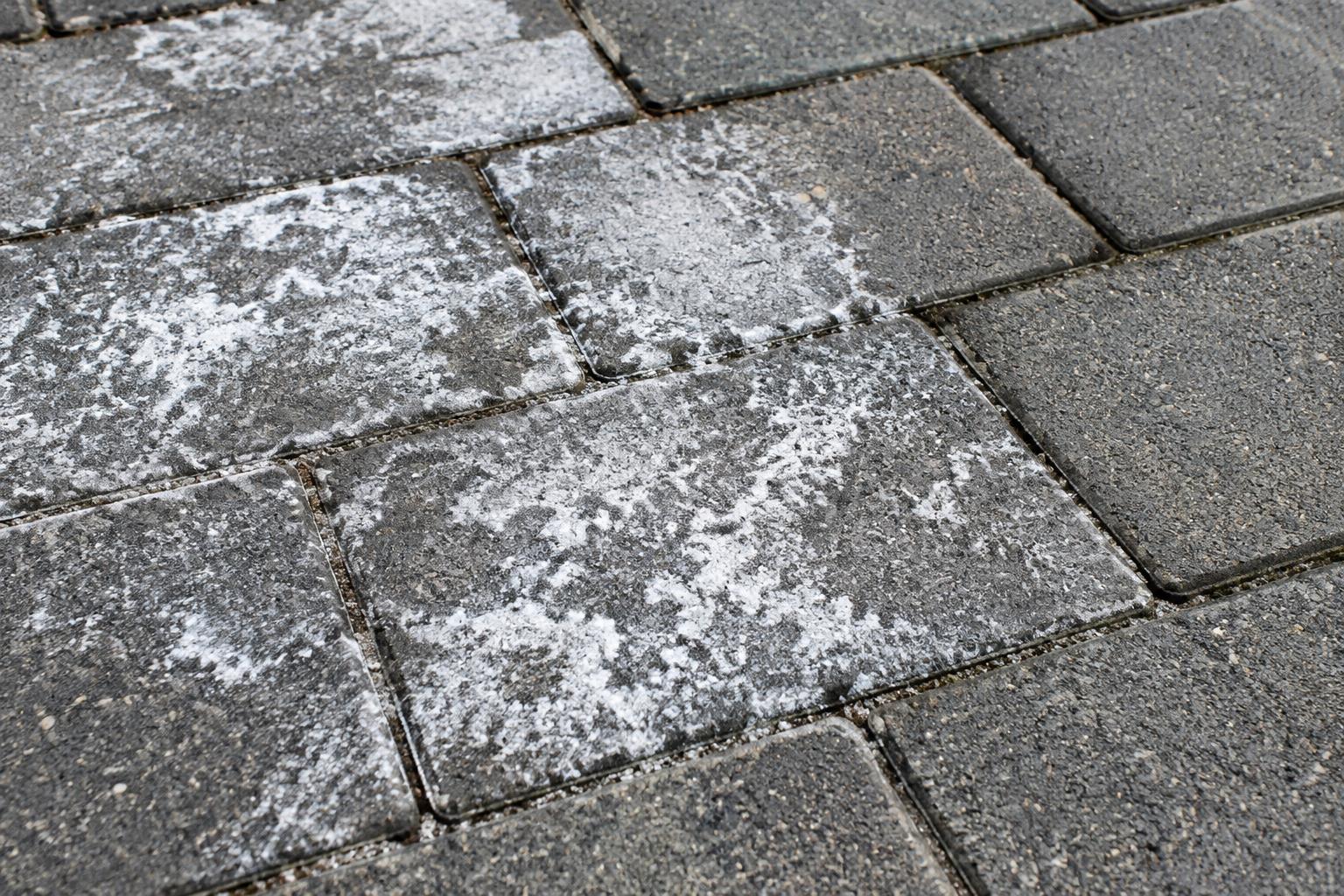
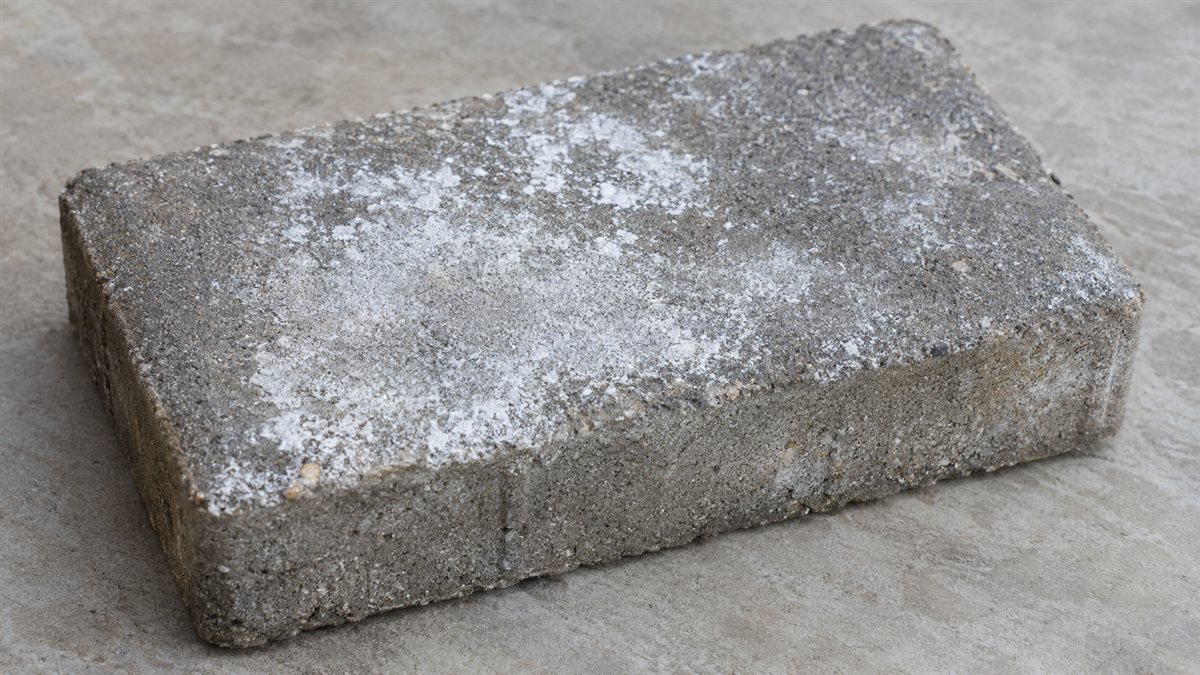
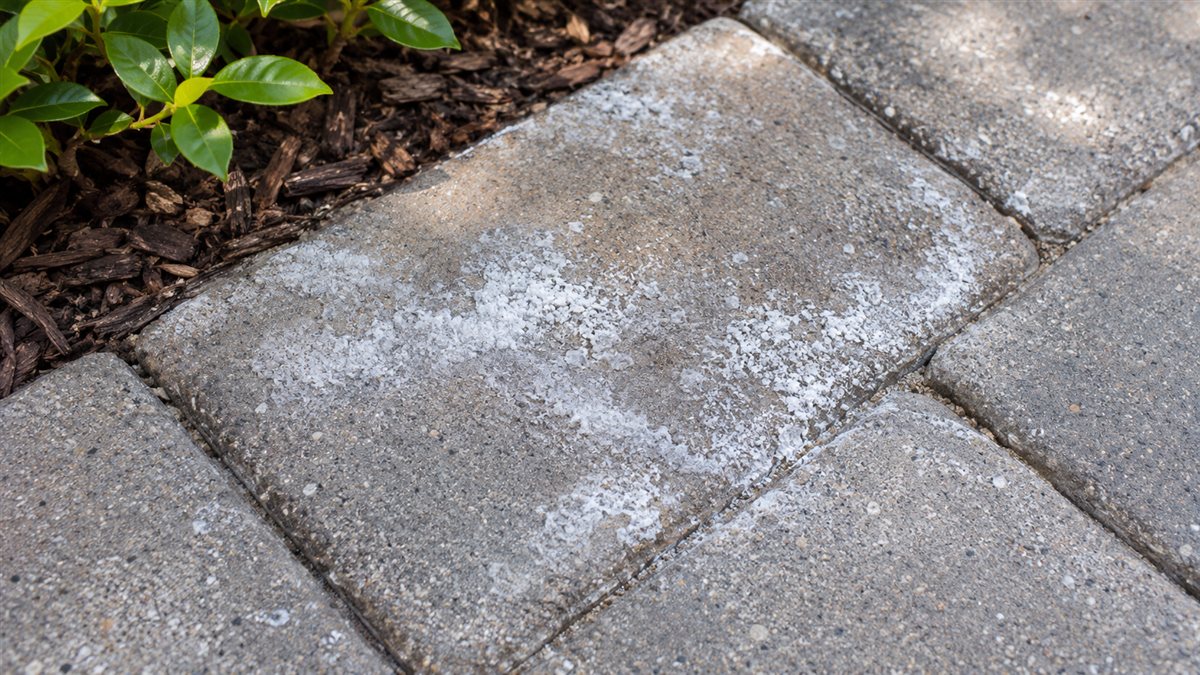
Generated educational illustration — not a documented project or a photograph of the assigned metadata location.
Definition and homeowner use
Whitish mineral deposits that can appear on the surface of concrete pavers; appearance alone does not identify every white stain. This definition helps separate a material or surface condition from the broader installation, repair or maintenance service that may be needed.
White deposit versus other staining
Efflorescence is a mineral-deposit term, not a name for all white discoloration. Residue from cleaners, coatings or other materials can look similar. Identify the surface condition before choosing a treatment.
Evaluate before cleaning
CMHA discusses efflorescence removal within concrete-paver cleaning guidance. Check the paver and cleaner manufacturer’s instructions, surrounding finishes and runoff precautions before applying any treatment.
Use compatible products
Select cleaners intended for the actual paver material and condition. CMHA recommends testing an inconspicuous area when evaluating cleaning products. Do not assume a strong acid or aggressive pressure washing is safe for every paver.
Sealing is a separate decision
Cleaning and sealing are separate operations. A coating is not a diagnosis of a white deposit or a repair for moisture-related conditions. Ask whether the surface is appropriately prepared and whether the selected sealer suits the pavement.
Requesting an assessment
Provide photos of the full area and close views of the observed condition. Mention drainage patterns, previous repairs and known cleaning or sealing products. Ask for the proposed treatment and its limits in writing; a photograph alone does not establish the underlying cause.
Manufacturer instructions apply to the identified product or system. General guidance does not establish a project-specific structural rating, code approval or repair specification.
Paver Efflorescence: practical planning details
CMHA recommends identifying stains and testing a compatible cleaner in an inconspicuous area. For a white deposit, ask what evidence supports the diagnosis and whether a coating or moisture issue could be involved. Record the original appearance before treatment. A test area lets the homeowner discuss color change and expectations before committing the whole surface, without assuming every white mark responds to the same product.
A question to bring to your estimate
What will the test area establish before full-surface treatment?
These references provide background for the topic. Product instructions apply to the identified product; research and general guidance do not establish the capacity, permit status or legal outcome of an individual project.
Paver Efflorescence: detailed decisions, inspection and care
Use the deposit’s behavior to guide the discussion
CMHA describes concrete-paver efflorescence as a mineral haze associated with moisture transporting cement-related compounds to the surface. It is generally an appearance issue rather than proof that a unit has lost structural capacity. See the efflorescence discussion in its operation and maintenance guide.
For an assessment, record when the pale area first appeared, whether it changes when wet and whether it is concentrated near irrigation, joints or a previously treated area. Include the names of any cleaner, joint product or coating used recently. These observations help the assessor decide which possibilities to investigate; none is a stand-alone chemical identification.
Make the test area a decision point
CMHA’s cleaning guidance recommends identifying the stain and evaluating a small inconspicuous application before treating the whole pavement. Cleaner concentration, contact and the substrate can affect the result. A test should be reviewed after the surface has dried, not only while the wet area looks darker.
Agree in advance on what success means: reduced haze, acceptable color, no visible etching and no unwanted effect on neighboring materials. Photograph the trial beside an untreated area in comparable light. If the result is uneven, ask whether further treatment is appropriate before expanding the work.
Keep the treatment stages separate
Stage
Decision to document
Identification
Which deposit or coating condition is the treatment intended to address?
Trial
What result is acceptable once the test area dries?
Full cleaning
How will adjacent finishes and rinse water be managed?
Optional protection
Is the surface ready for the named sealer, and is sealing wanted?
Plan for a deposit that returns
Keep a record of the treated area and any recurring pattern rather than automatically repeating a stronger treatment. Ask whether the next step is another product-compatible cleaning, observation, or investigation of an ongoing moisture source. If the surface was already sealed, include that history in the assessment. A new coat should have a stated purpose and preparation plan; it should not be sold as a way to make the cause of an unidentified white film irrelevant.