Paver Joint Sand Loss: Definition and Homeowner Guide
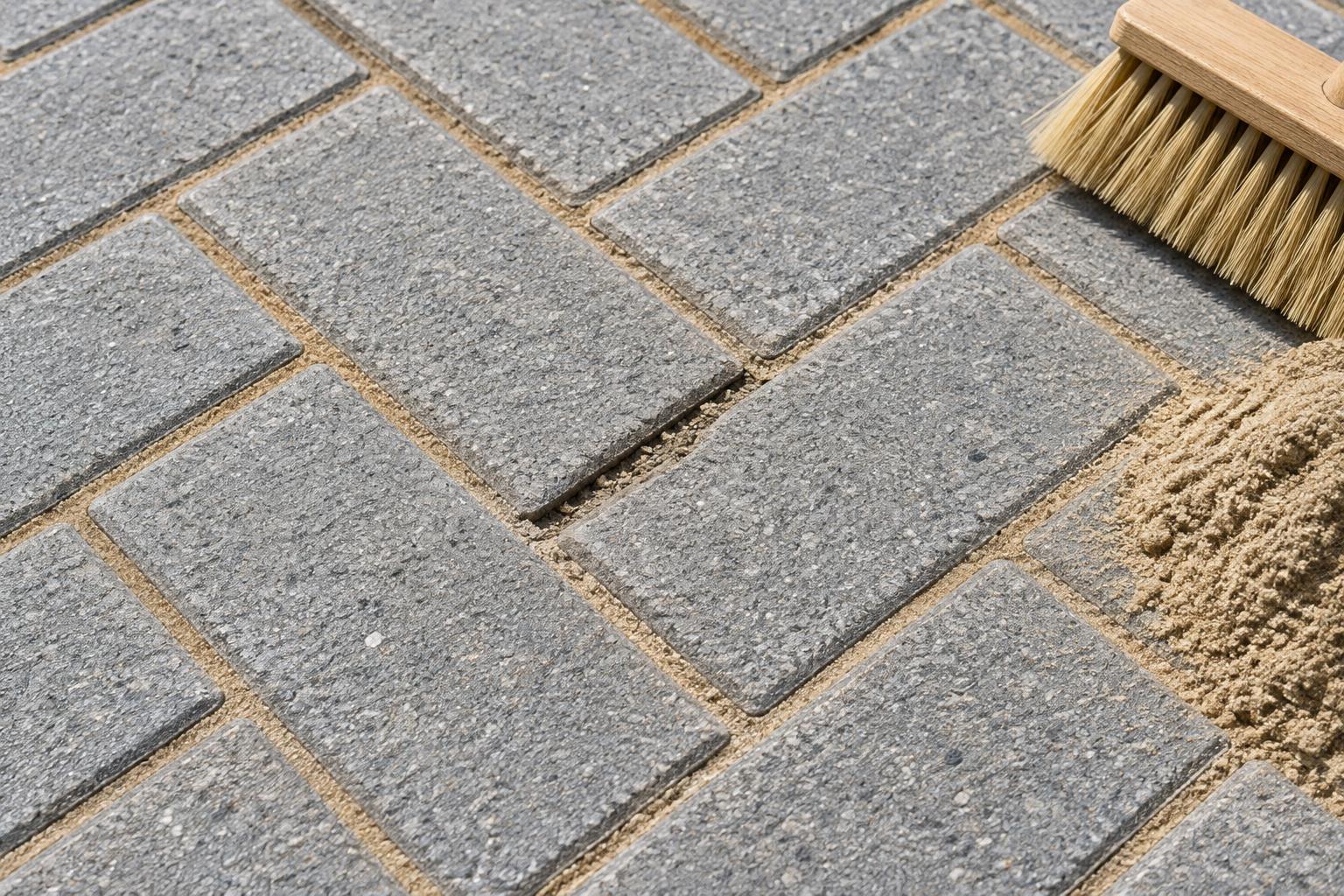
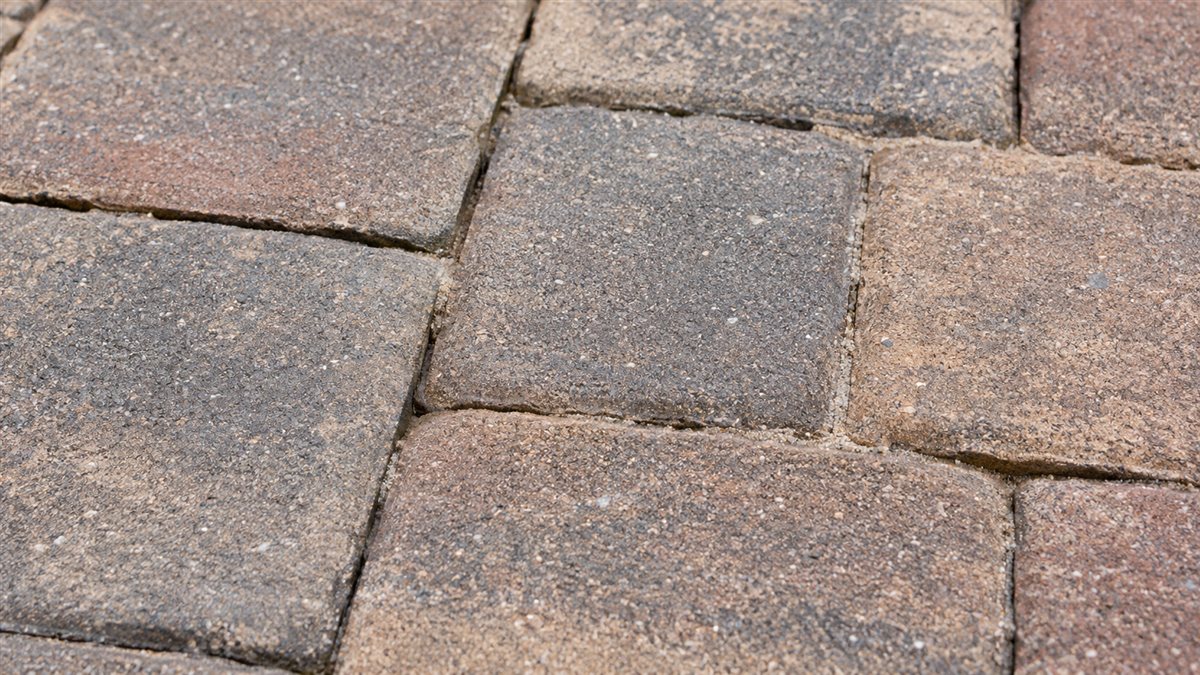
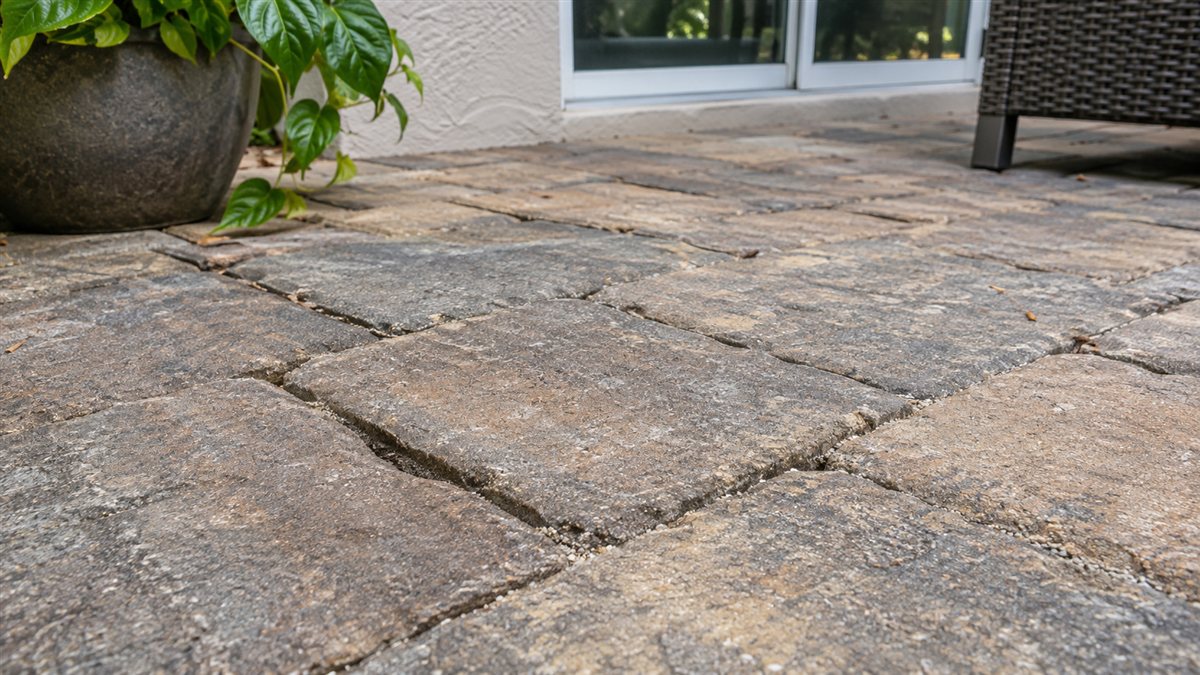
Paver joint sand loss is depletion of fill from gaps between paving units, which can require maintenance and investigation of recurring causes.
Generated educational illustration — not a documented project or a photograph of the assigned metadata location.
Depleted fill is a maintenance observation
CMHA recommends checking joint sand and replenishing it as needed in conventional interlocking concrete pavement. A depleted gap does not prove a base defect. Inspect the pattern and report whether it follows runoff channels, cleaned areas or moving edges. See CMHA operation and maintenance of interlocking concrete pavement.
Cleaning can remove joint material
CMHA notes that cleaning and power washing can remove sand from joints. Review methods and product guidance before broad cleaning. A brighter surface accompanied by emptied joints is not complete pavement maintenance.
Recurring loss needs investigation
Repeated refilling without checking water flow, edge movement and cleaning history can leave the source unresolved. Distinguish scattered low fill from channels of missing material. Do not apply a coating merely to conceal an unidentified recurring condition.
Replenishment must match the assembly
Identify existing joint material and any stabilization product before adding more. Conventional sand-set pavement guidance does not automatically apply to permeable joints or mortared paving. Ask whether moving units or surrounding drainage need assessment before treatment.
Planning the next step
Identify whether the pavement carries pedestrians, vehicles or poolside traffic and provide photos of the full area, not just one joint. Mention previous repairs, known coatings and where runoff travels. Ask which observations support the proposed treatment and whether supporting layers need assessment. This guide concerns conventional concrete pavers unless a different system is specifically identified; natural stone, mortared and permeable assemblies require their own guidance.
Manufacturer instructions apply to the identified product or system. General guidance does not establish a project-specific structural rating, code approval or repair specification.
Paver Joint Sand Loss: practical planning details
Photograph the depleted joints and identify nearby downspouts, roof drip lines and recent cleaning areas. Ask whether replenishment alone is appropriate or whether repeated concentrated flow needs separate attention. Keep a record of how quickly the condition returns after service. The pattern of loss is useful information for an inspection without proving how much material may be missing below the visible surface.
A question to bring to your estimate
Is the scope addressing a recurring water path as well as the depleted joints?
These references provide background for the topic. Product instructions apply to the identified product; research and general guidance do not establish the capacity, permit status or legal outcome of an individual project.
Paver Joint Sand Loss: detailed decisions, inspection and care
Map the distribution before refilling
Record whether depletion is scattered, follows a narrow water route, occurs at the outside border or matches a recently cleaned area. Photograph the same joints before and after service. A pattern can guide an investigation even when the amount lost below the visible surface is unknown. Keep the time between maintenance and recurrence in the record; a single completion-day photograph cannot show whether the condition returns.
CMHA’s maintenance guidance identifies concentrated runoff, wind and excessive cleaning among circumstances associated with joint loss. Its advice to maintain joint fill should be paired with attention to recurring conditions rather than treated as proof that repeated topping-up is sufficient.
Check what happened during the last cleaning
Ask which cleaning method was used, whether joint material was intentionally removed and what restoration was included in the price. Distinguish a clean surface from a completed joint-maintenance service. If a new product is proposed, obtain its compatibility and preparation requirements before authorizing the change.
The CMHA cleaning and stabilization bulletin discusses cleaning and joint stabilization as related but distinct operations. Stabilization should be selected for the identified pavement and product, not used as a substitute for correcting moving edges or an unidentified escape route.
Use recurrence to define the next question
Pattern
Next question
Loss beside one downspout
Where does concentrated discharge enter the pavement?
Loss after each cleaning
How will the method and joint-restoration scope change?
Loss with widening gaps
Is the field moving as well as losing fill?
Loss near an exposed border
Is material escaping at the perimeter?
Agree on a maintenance handoff
Request the exact material used and a description of the area completed. Review remaining low joints and residue with the contractor before the work is closed out. Ask what changes should trigger a return visit, including renewed channels, loose units or a widening border. For an area near a pool drain, include the drain opening and adjacent joints in the review so the maintenance does not simply move debris into another component.