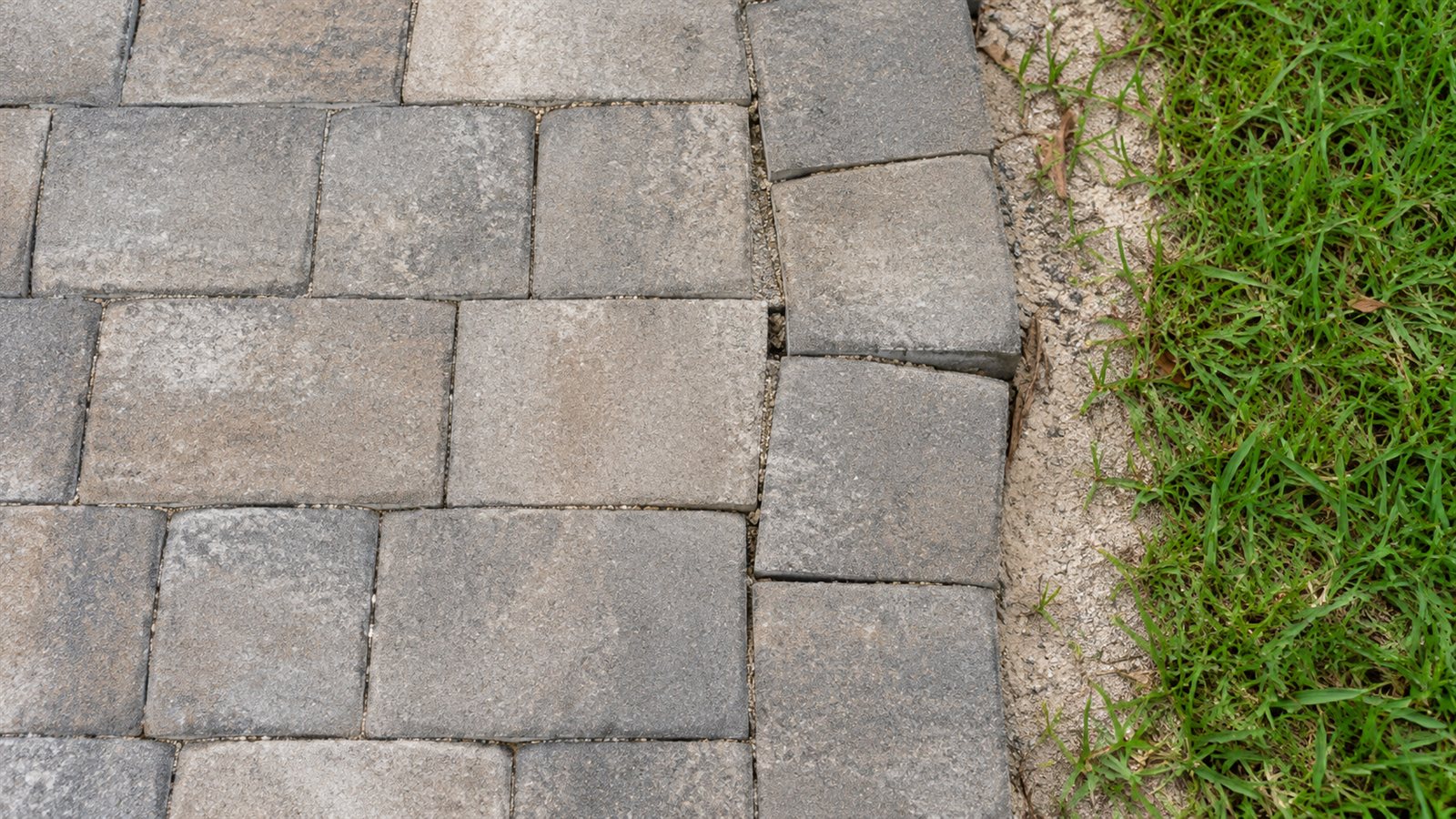
Track alignment as well as elevation
A surface can remain relatively level while units move sideways. Wide photographs of borders and joint lines help document that pattern. Identify nearby traffic movements and perimeter conditions for the contractor. Observing a shifted row does not establish one universal cause, so the repair discussion should distinguish what is visible from what needs investigation.
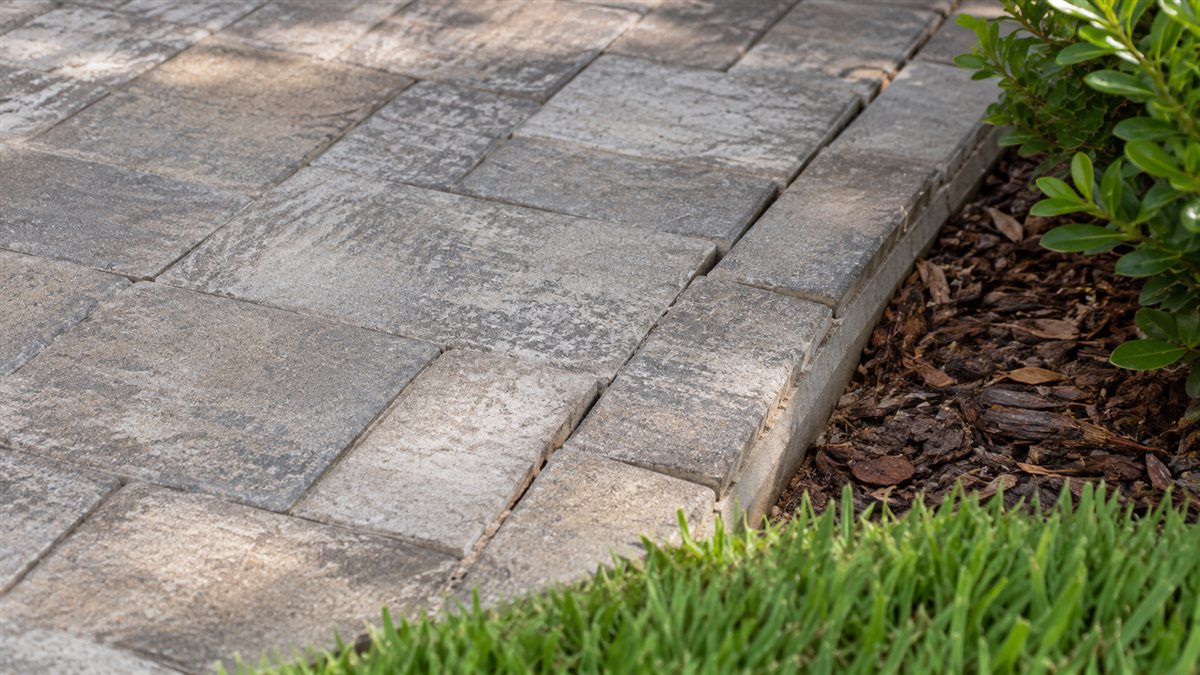
Review restraint and supporting conditions
A border, base and joint system work together to contain the field. Replacing sand alone may not correct a deficient restraint or another recurring source of movement. Ask which components will be assessed and how the repaired area will be tied into the existing pavement. Keep the intended traffic and any drainage effects in the scope.
A practical homeowner example
A driveway border moves outward over time. The contractor reviews the edge assembly and adjacent pavement instead of simply straightening the visible row and declaring the underlying issue solved.
This is an illustrative planning scenario, not a report of a particular West Coast Screening project.
Questions to bring to an estimate
- Identify the affected area, intended traffic and existing pavement system.
- Keep unit, joint, bedding, base and soil questions separate.
- Ask how drainage and perimeter restraint are included in the scope.
Frequently asked question
Is creep another word for settlement?
No. Creep generally describes lateral migration, while settlement describes downward movement. Both may occur in the same pavement and need separate description.
Related glossary terms
For the broader vocabulary, return to the pool cage and screen-enclosure glossary.
Authority sources and further reading
Use these sources within their scope. Manufacturer information applies to the identified product; research and general guidance do not establish a rating or an approved repair for an individual project.