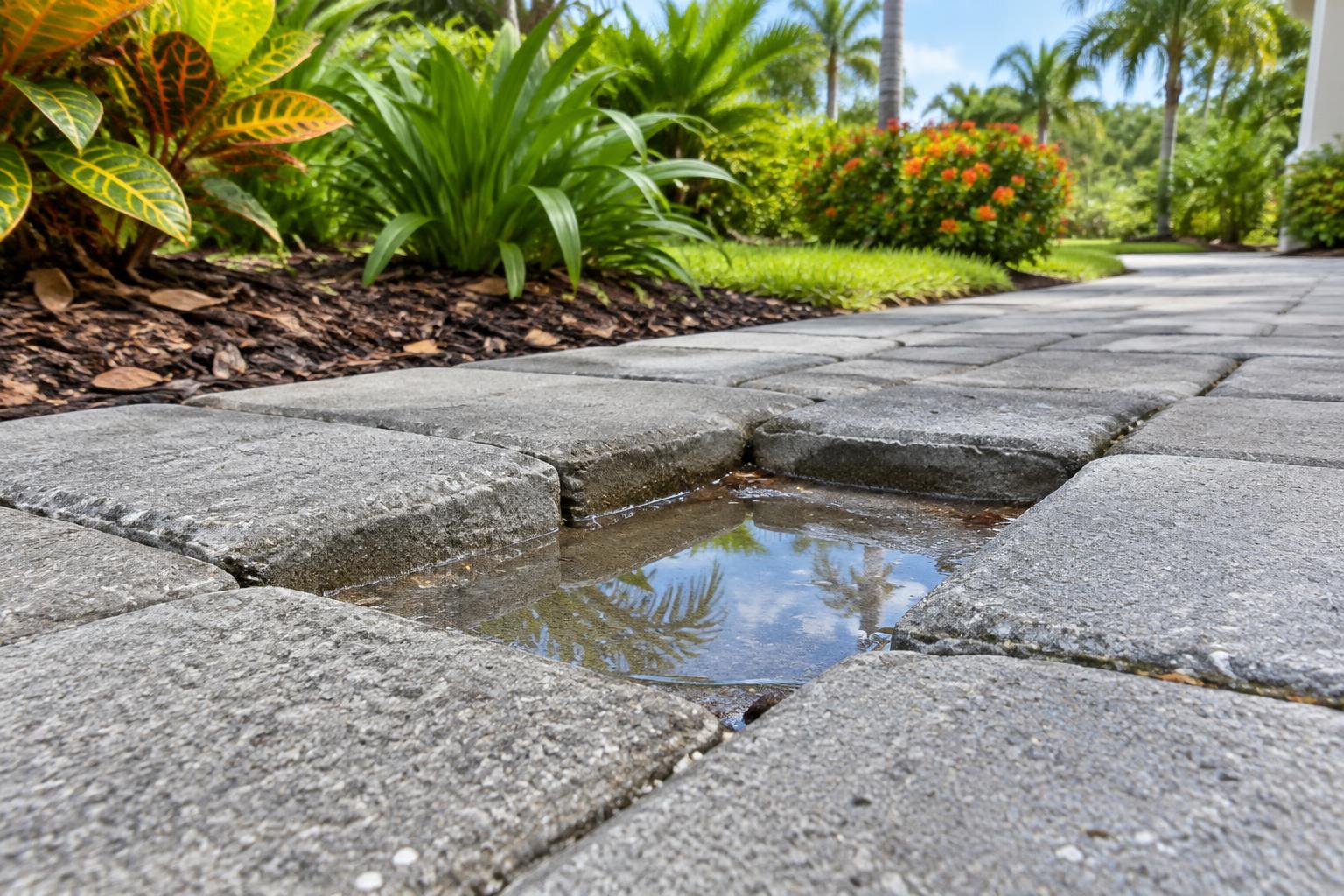
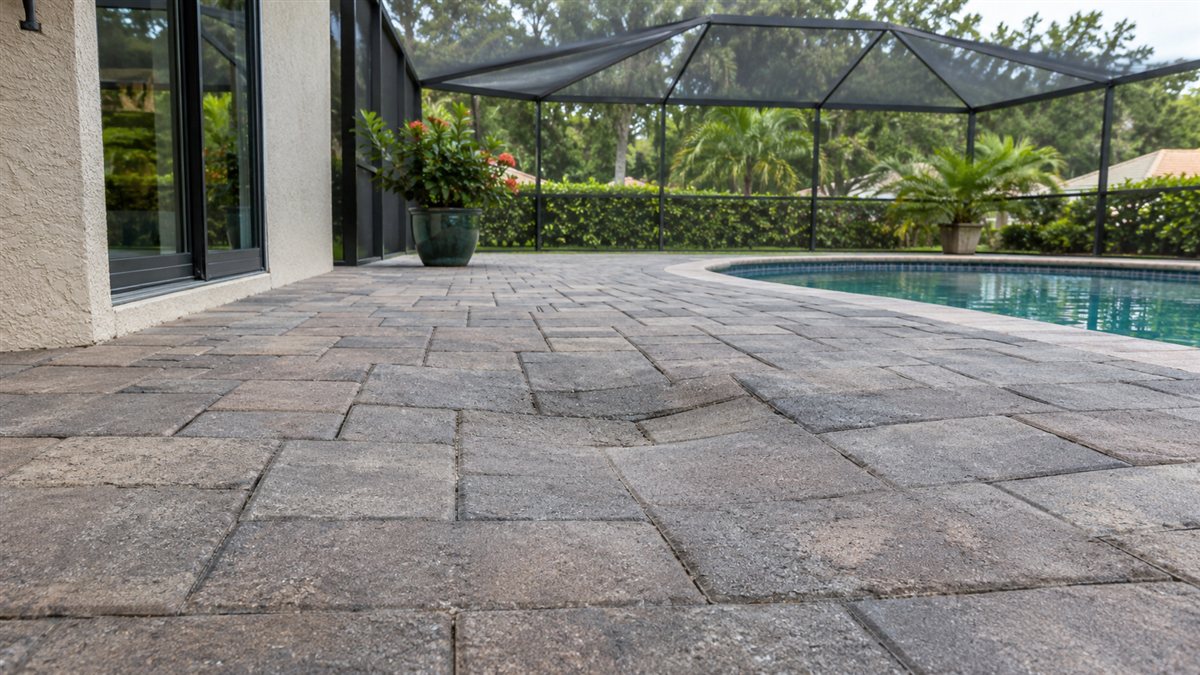
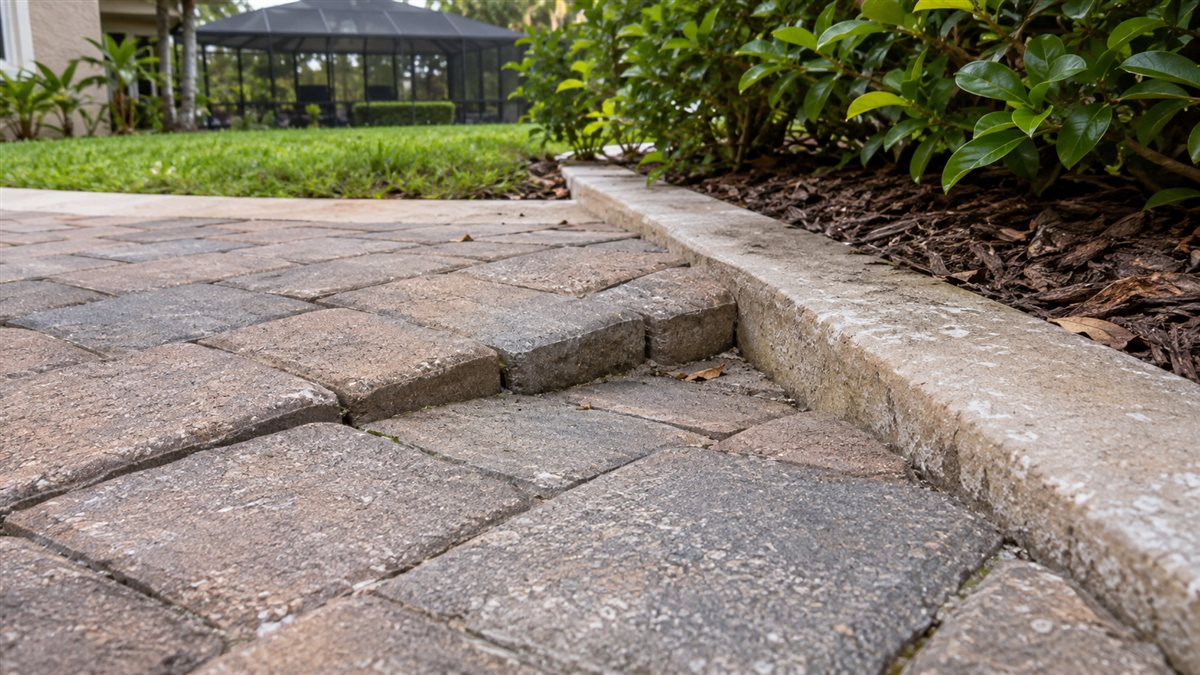
Downward movement in a paved surface that can create low, uneven or water-holding areas.
Generated educational illustration — not a documented project or a photograph of the assigned metadata location.
Definition and homeowner use
Downward movement in a paved surface that can create low, uneven or water-holding areas. This definition helps separate a material or surface condition from the broader installation, repair or maintenance service that may be needed.
Recognize the symptom
Settlement describes movement downward, not its proven cause. A low patch, edge dip or changed transition can be observed without knowing which pavement layer or surrounding condition contributed.
Investigate beyond the surface
CMHA maintenance guidance treats performance as involving design, materials, construction and maintenance. Inspection may need to consider the base, bedding, water movement, edges and any adjacent excavation or disturbance.
Repair planning
A localized lift-and-relay repair may be considered when the underlying issue can be identified and addressed. Releveling the top surface without checking recurring water or support problems can leave the cause unresolved.
Maintenance observations
Record when the depression appeared, whether it changes and where water collects. Keep nearby drainage paths clear where safely accessible. Do not assume repeated settlement is routine cosmetic wear.
Requesting an assessment
Provide photos of the full area and close views of the observed condition. Mention drainage patterns, previous repairs and known cleaning or sealing products. Ask for the proposed treatment and its limits in writing; a photograph alone does not establish the underlying cause.
Manufacturer instructions apply to the identified product or system. General guidance does not establish a project-specific structural rating, code approval or repair specification.
Paver Settlement: practical planning details
Mark the low area and note when water collects there during safe observation. Ask whether the repair will investigate the base, edge condition and adjacent runoff path before resetting units. A surface adjustment can be clearly scoped, but the contractor should explain what evidence supports the proposed depth and extent of work. Keep before-and-after photographs so recurrence can be evaluated against an identified repair area.
A question to bring to your estimate
How was the extent of the proposed repair determined?
These references provide background for the topic. Product instructions apply to the identified product; research and general guidance do not establish the capacity, permit status or legal outcome of an individual project.
Paver Settlement: detailed decisions, inspection and care
Describe the depression in relation to fixed levels
Show the low area beside stable references such as the garage slab, drain frame or an unaffected border. Record whether the change is a single unit, a broad basin, an edge dip or a strip above previous excavation. Include the direction water travels before and after reaching the depression. A useful assessment describes the shape and history before assigning a cause.
Keep dates for earlier repairs, known utility work and changes in drainage or use. If there is a suspected leak or concealed void, tell the assessor what was observed rather than treating it as confirmed. Avoid driving repeatedly over an unstable area simply to demonstrate the problem.
Use the ability to lift units as an investigation opportunity
CMHA’s guidance on reinstating utility cuts explains how segmental paving can be lifted and reused while the supporting work is addressed. Reuse can preserve the existing unit pattern, but it does not eliminate the need to assess the materials below the affected surface.
Ask the contractor to define an initial inspection area and what findings would require a wider or deeper repair. Agree on a review point before additional excavation is authorized. The final invoice should distinguish relaying the existing units from replacing support materials or installing new units.
Clarify the repair depth
Layer or component
Question
Paving units
Which can be reused and which are damaged?
Bedding
Is the problem confined to this layer?
Base and soil
What evidence justifies retaining or reconstructing them?
Edge and drainage
Are they contributing to recurring movement?
Transitions
How will the repair meet untouched paving and fixed structures?
Review water after the surface repair
FHWA’s drainage discussion emphasizes that moisture can enter pavement from several directions. Restoring the visible grade should therefore be considered alongside the relevant water conditions, rather than assuming a new surface level resolves every moisture concern.
At handoff, record the intended drainage route and the repair boundaries. Follow up from the same photo locations if ponding or movement returns. A repair record with actual layer changes is much more useful for that conversation than a general statement that the driveway was leveled.