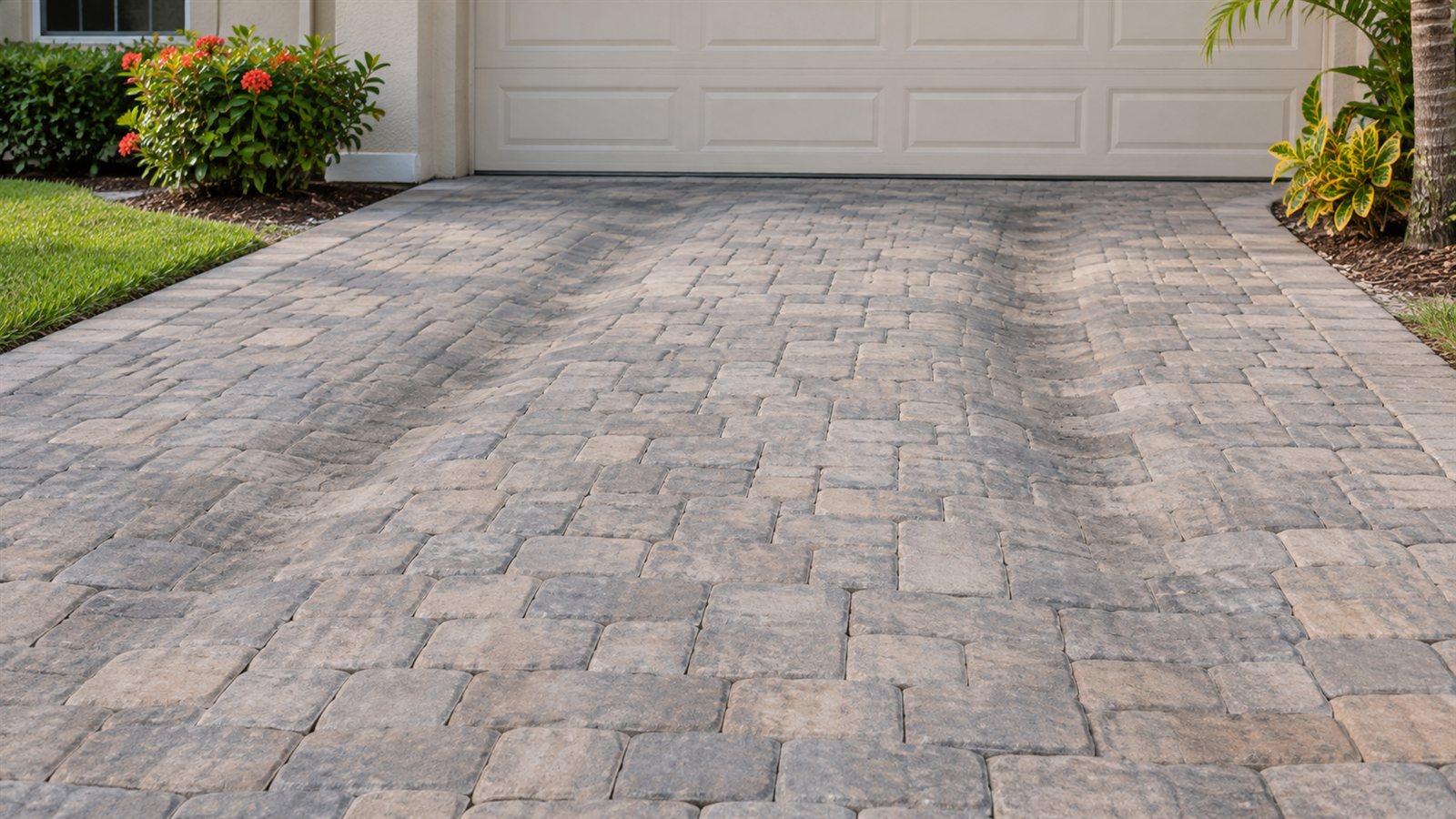
Describe the shape and traffic use
Photograph the full wheel-path pattern and identify where vehicles turn, brake or stop. Record whether the condition is new or developing. The pattern can help define the investigation, but it does not by itself identify which layer has moved. A repair should distinguish unit condition from bedding, base, soil and restraint concerns.
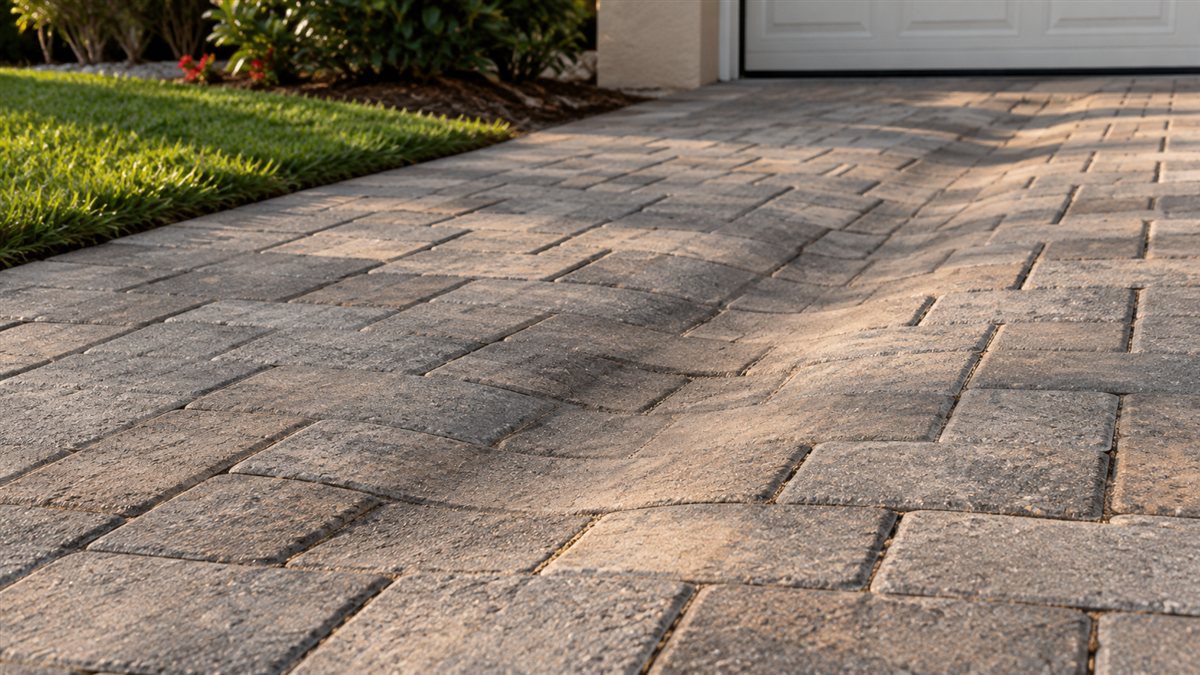
Choose repair depth from findings
Relaying only the visible units may not address a concern in lower layers. Conversely, not every local condition requires rebuilding the whole driveway. Ask the contractor how the affected area and proposed depth were determined. Include drainage and intended traffic in the discussion so the repair is assessed for actual use rather than appearance alone.
A practical homeowner example
A homeowner notices two shallow tracks where the car parks. The contractor evaluates the patterned depression and supporting construction before deciding whether the work is localized leveling or a deeper pavement repair.
This is an illustrative planning scenario, not a report of a particular West Coast Screening project.
Questions to bring to an estimate
- Identify the affected area, intended traffic and existing pavement system.
- Keep unit, joint, bedding, base and soil questions separate.
- Ask how drainage and perimeter restraint are included in the scope.
Frequently asked question
Is rutting the same as a cracked paver?
No. Rutting describes a surface-elevation pattern. A unit can be intact while the pavement beneath it moves, and a cracked unit can occur without rutting.
Related glossary terms
For the broader vocabulary, return to the pool cage and screen-enclosure glossary.
Authority sources and further reading
Use these sources within their scope. Manufacturer information applies to the identified product; research and general guidance do not establish a rating or an approved repair for an individual project.