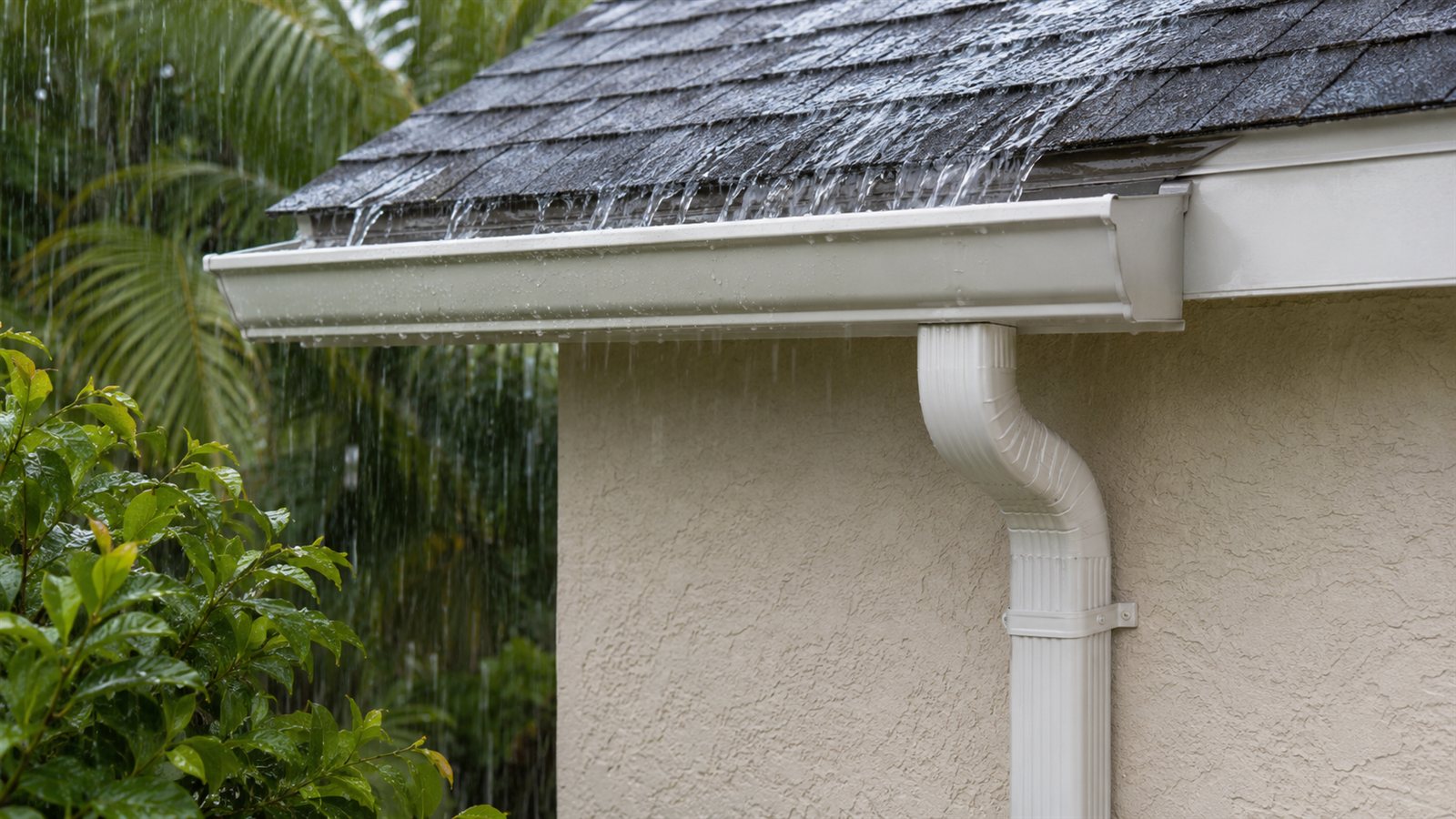
Trace collection, conveyance and discharge
Begin with where water reaches the roof edge. Follow it through the channel and pipe to its endpoint. A restriction or unsuitable receiving area can matter even when the visible gutter is clean. Ask a proposal to show the full route and identify which part of it is being changed. A wet mark at ground level is an observation, not the complete diagnosis.
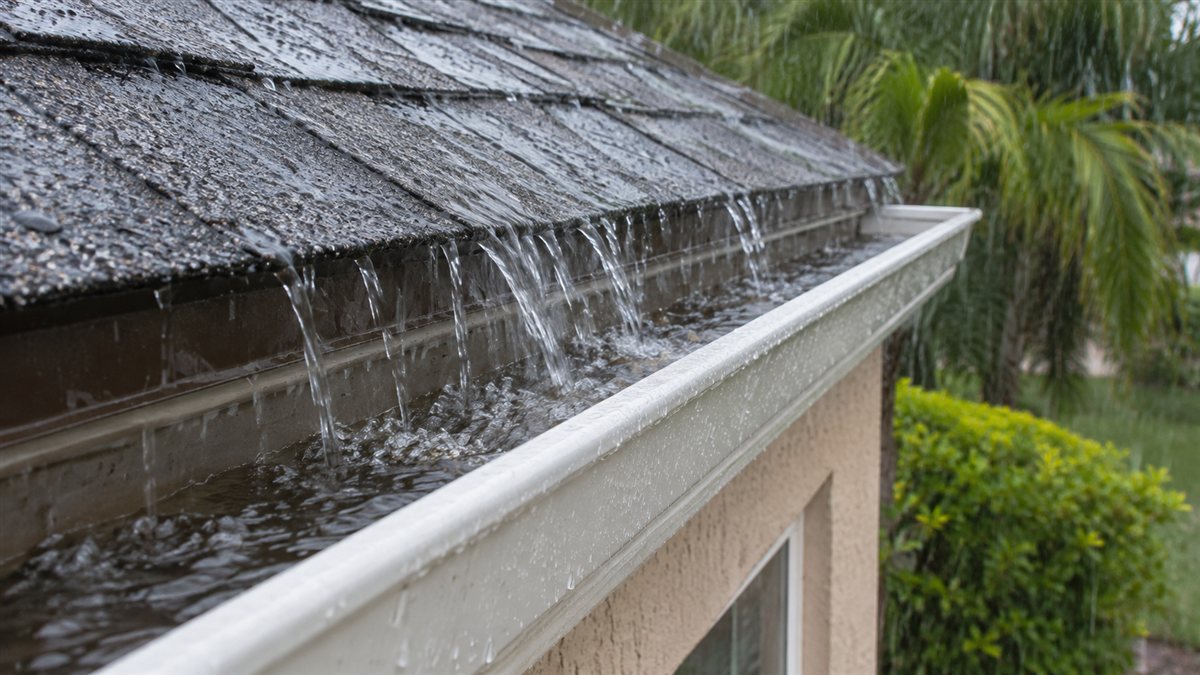
Moving an outlet moves water somewhere else
Redirection can affect landscaping, walking routes, neighboring property and conditions near the building. EPA guidance recommends considering local requirements and the receiving location. A longer extension is not automatically a complete drainage solution. Keep any shared-area, easement or site-drainage concerns in the project discussion rather than treating roof runoff as ending at the downspout mouth.
A practical homeowner example
A homeowner wants a downspout moved away from patio furniture. The installer checks the new receiving area and access route before deciding where the relocated pipe should end.
This is an illustrative planning scenario, not a report of a particular West Coast Screening project.
Questions to bring to an estimate
- Show where the water enters, travels and ultimately discharges.
- Record the symptom separately from the proposed cause and repair.
- Ask how the completed work will be checked under suitable conditions.
Frequently asked question
Does runoff management stop at the downspout?
No. The receiving area and subsequent water path are part of the practical drainage review.
Related glossary terms
For the broader vocabulary, return to the pool cage and screen-enclosure glossary.
Authority sources and further reading
Use these sources within their scope. Manufacturer information applies to the identified product; research and general guidance do not establish a rating or an approved repair for an individual project.