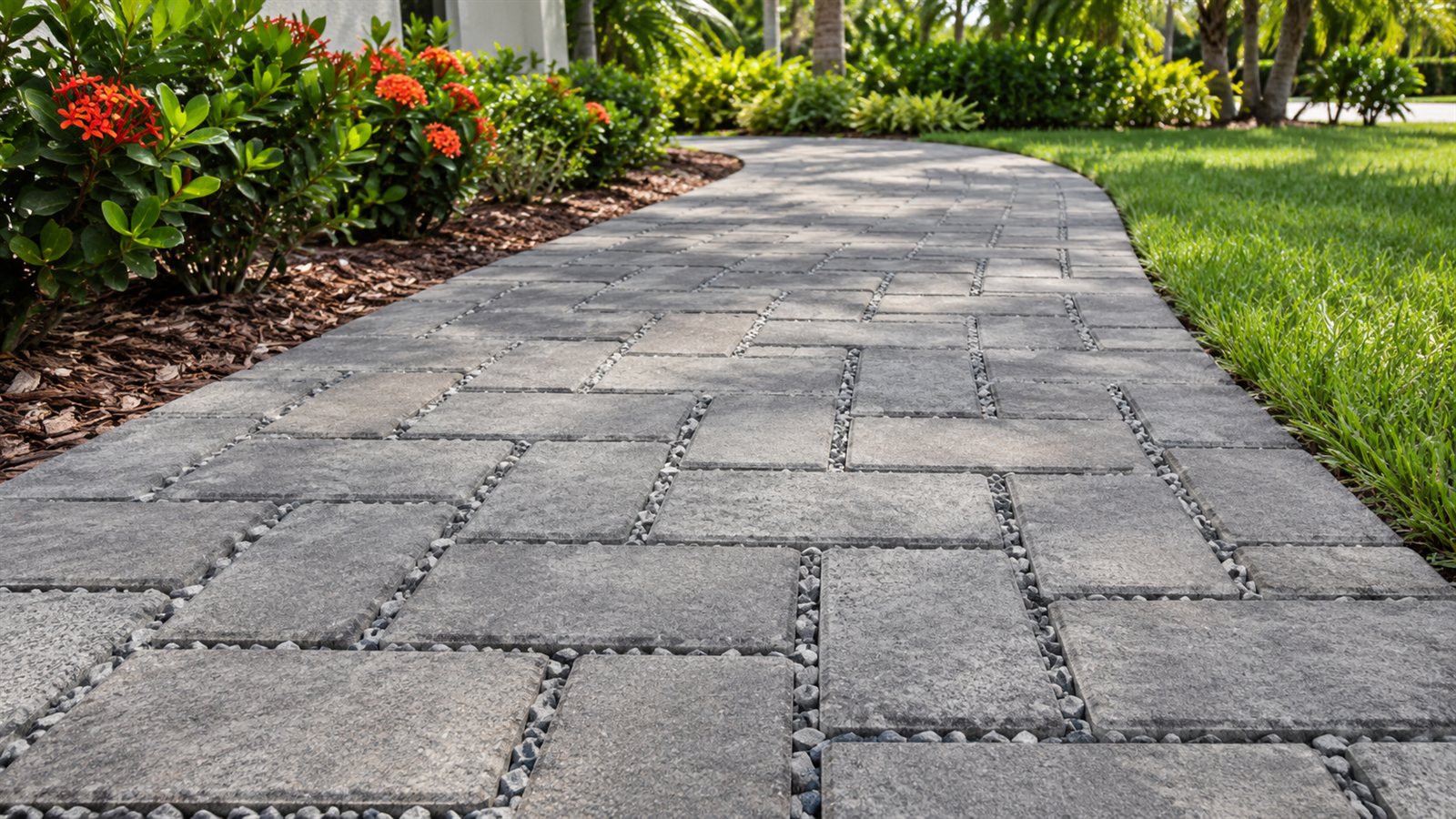
A permeable surface needs compatible layers
CMHA describes permeable joint material, open-graded bedding and reservoir layers as parts of the system. Soil conditions, storage needs and drainage arrangements influence design. Conventional sand-set paving and a permeable assembly should not be treated as the same detail. Material substitutions can affect the intended water route and require review.
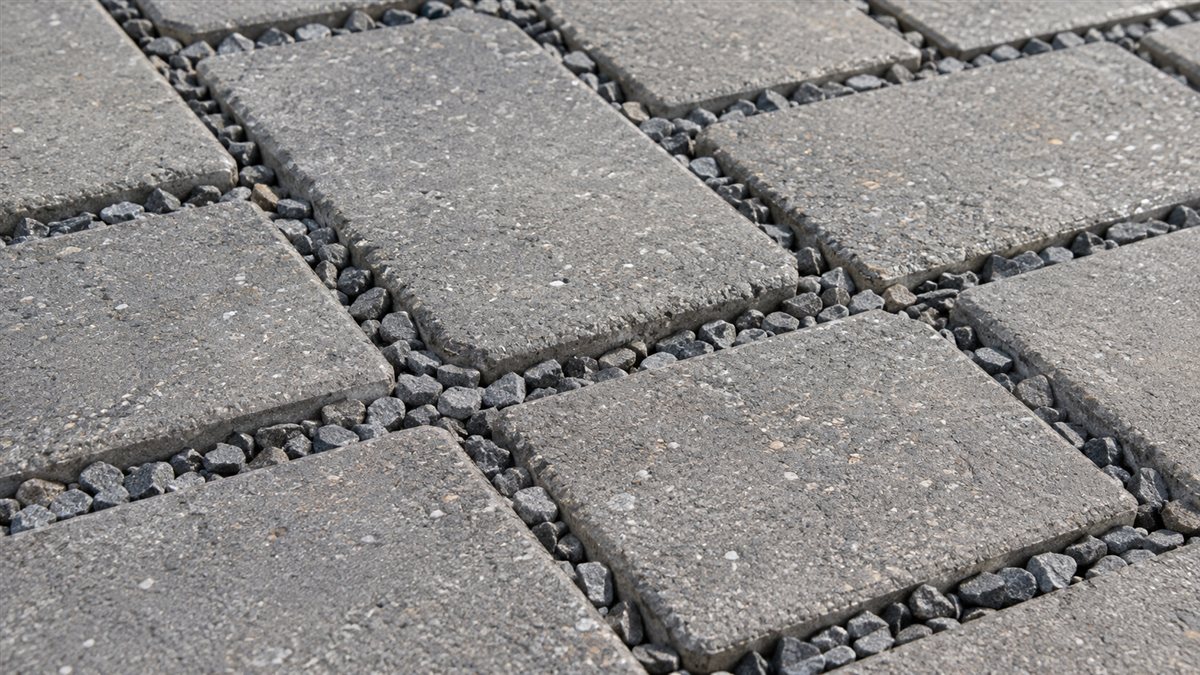
Maintenance protects the infiltration function
Sediment entering joints can affect the surface's ability to pass water. Ask how adjacent landscaping, construction traffic and maintenance will be managed. Some designs use underdrains or liners, so permeable does not always mean all collected water infiltrates directly into native soil. The project documents should explain the intended inflow, storage and outflow routes.
A practical homeowner example
A homeowner asks whether ordinary driveway pavers solve ponding. The contractor distinguishes conventional paving from a designed permeable system and reviews the site before promising an infiltration result.
This is an illustrative planning scenario, not a report of a particular West Coast Screening project.
Questions to bring to an estimate
- Identify the affected area, intended traffic and existing pavement system.
- Keep unit, joint, bedding, base and soil questions separate.
- Ask how drainage and perimeter restraint are included in the scope.
Frequently asked question
Does every paver driveway count as permeable pavement?
No. A permeable system uses compatible joints and underlying layers with a defined drainage design. The paving-unit name alone does not establish that assembly.
Related glossary terms
For the broader vocabulary, return to the pool cage and screen-enclosure glossary.
Authority sources and further reading
Use these sources within their scope. Manufacturer information applies to the identified product; research and general guidance do not establish a rating or an approved repair for an individual project.