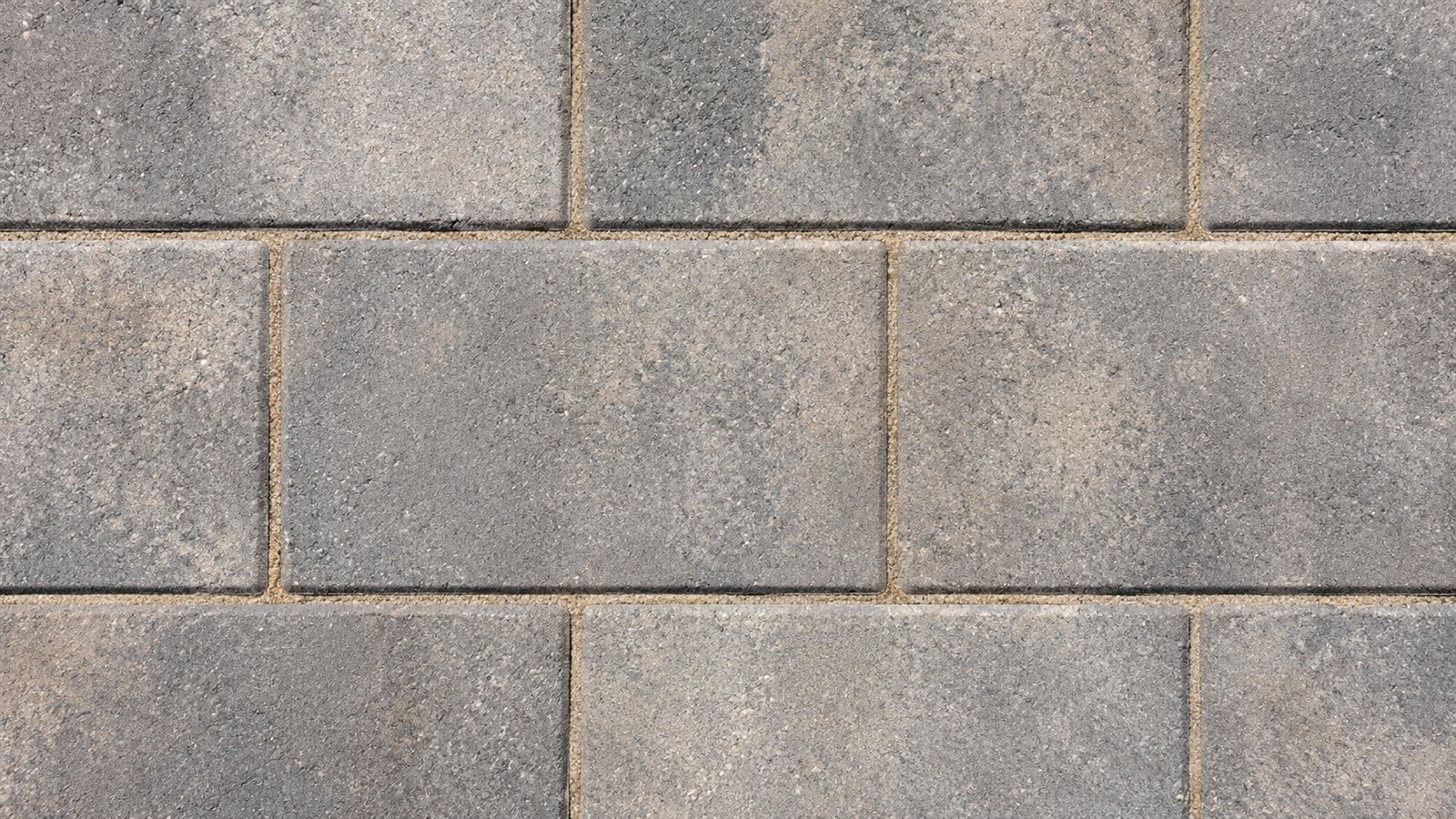
Read the gap below the chamfer
Top bevels can make joints appear wider than the actual space between unit sides. Spacer features and laying requirements vary. Ask which product and system details govern the installation rather than choosing one universal gap for concrete pavers, slabs and permeable units. Joint appearance from a photograph may not show the working geometry.
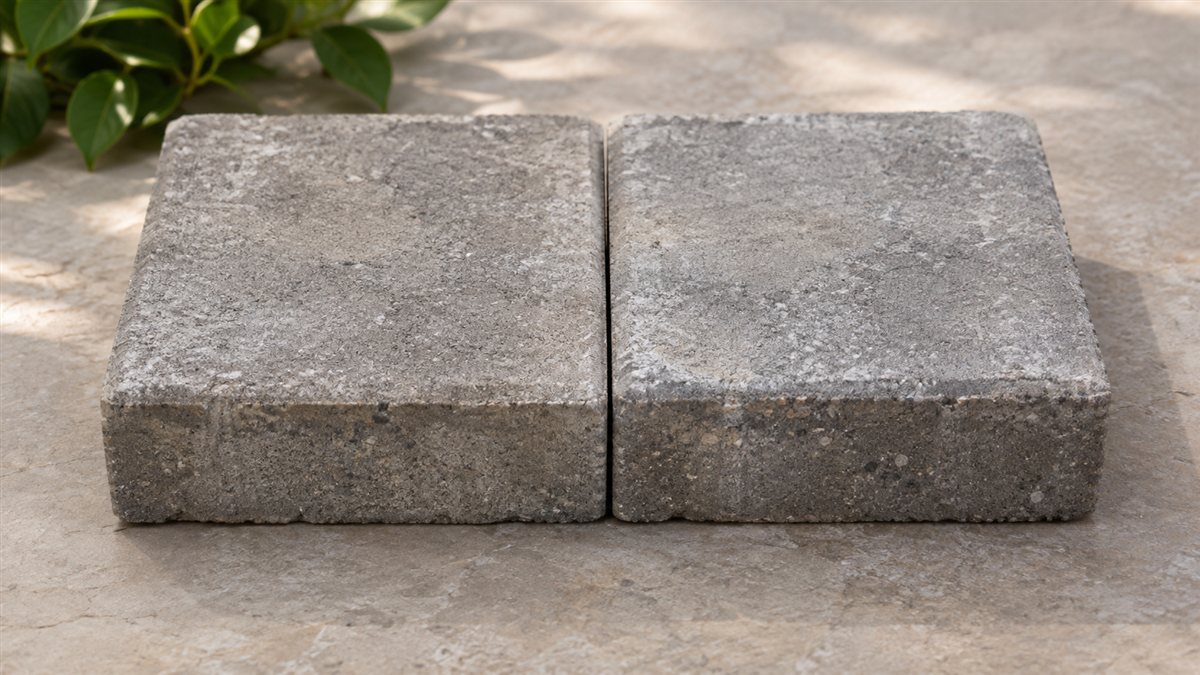
Joint material has its own limits
Conventional sand, stabilized products and permeable stone are not automatically interchangeable. The chosen fill must suit the actual joint and application. If gaps are widening, determine whether this is a maintenance issue or movement in the pavement. Refilling a gap does not establish that its original width or surrounding restraint is suitable.
A practical homeowner example
A homeowner is offered polymeric sand for unusually wide gaps. The contractor checks the product instructions and pavement condition before assuming any bagged joint material suits the existing layout.
This is an illustrative planning scenario, not a report of a particular West Coast Screening project.
Questions to bring to an estimate
- Identify the affected area, intended traffic and existing pavement system.
- Keep unit, joint, bedding, base and soil questions separate.
- Ask how drainage and perimeter restraint are included in the scope.
Frequently asked question
Is the visible V-shaped top gap the full joint width?
Not necessarily. Chamfered edges affect the view from above. The actual spacing between the unit sides should be distinguished from that bevel.
Related glossary terms
For the broader vocabulary, return to the pool cage and screen-enclosure glossary.
Authority sources and further reading
- CMHA — Glossary of Terms for Segmental Concrete Pavement
- CMHA — Cleaning, Sealing and Joint Sand Stabilization
Use these sources within their scope. Manufacturer information applies to the identified product; research and general guidance do not establish a rating or an approved repair for an individual project.