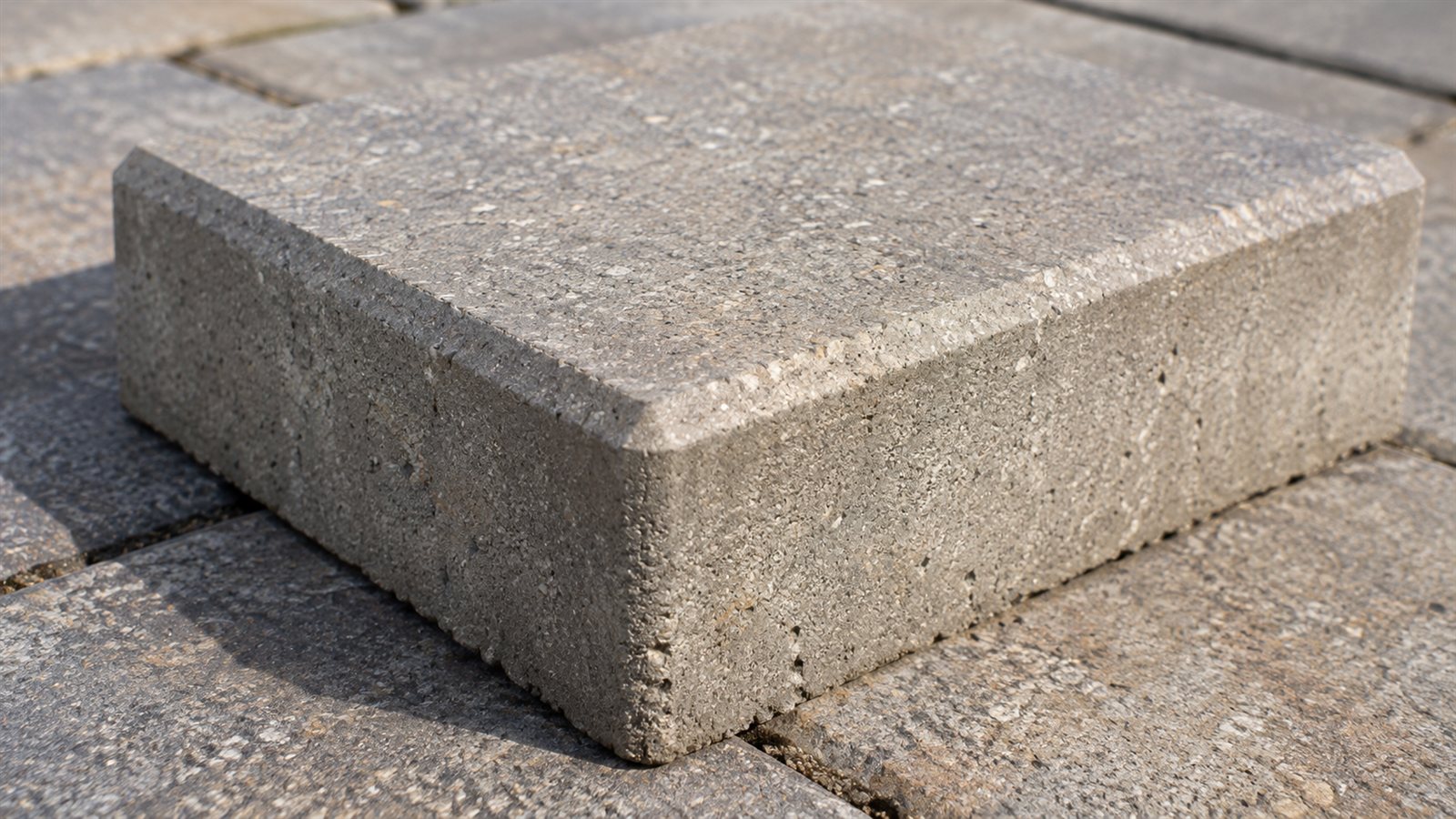
A bevel changes appearance at the joint
Two adjacent chamfers can form a wider-looking V at the surface even where the spacing below is relatively narrow. That surface appearance should not be used alone to select joint material. Ask which unit geometry is present and how its actual joint is specified. Some paving products have different edge treatments rather than the same bevel.
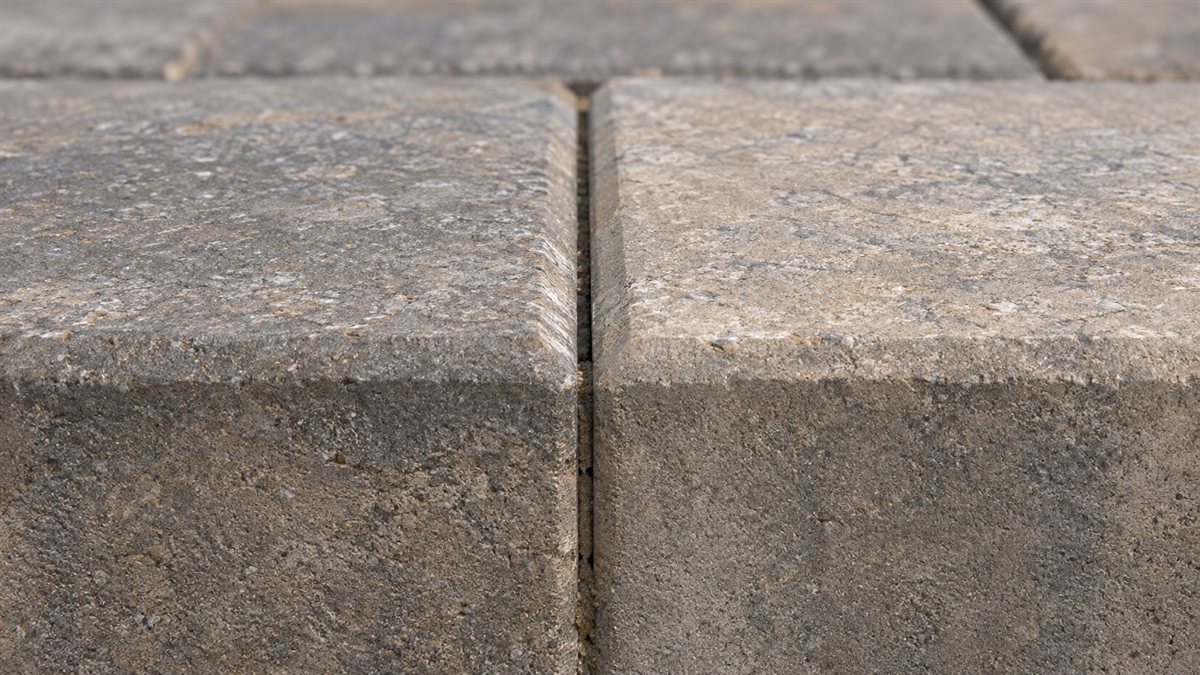
Distinguish original form from damage
A consistent bevel around comparable units is different from an irregular broken corner. When requesting repair, photograph the affected piece alongside an intact neighbor. Cleaning or replacing joint fill will not recreate missing unit material. Conversely, a factory chamfer should not be mistaken for deterioration simply because it interrupts an otherwise flat-looking surface.
A practical homeowner example
A homeowner sees a dark line around every paver and asks whether edges are damaged. Comparing an intact unit's manufactured bevel with the irregular area helps the contractor identify what actually needs attention.
This is an illustrative planning scenario, not a report of a particular West Coast Screening project.
Questions to bring to an estimate
- Identify the affected area, intended traffic and existing pavement system.
- Keep unit, joint, bedding, base and soil questions separate.
- Ask how drainage and perimeter restraint are included in the scope.
Frequently asked question
Is a chamfer a crack?
No. A chamfer is a deliberately formed bevel. A crack or broken edge is a different condition that should be described separately.
Related glossary terms
For the broader vocabulary, return to the pool cage and screen-enclosure glossary.
Authority sources and further reading
Use these sources within their scope. Manufacturer information applies to the identified product; research and general guidance do not establish a rating or an approved repair for an individual project.