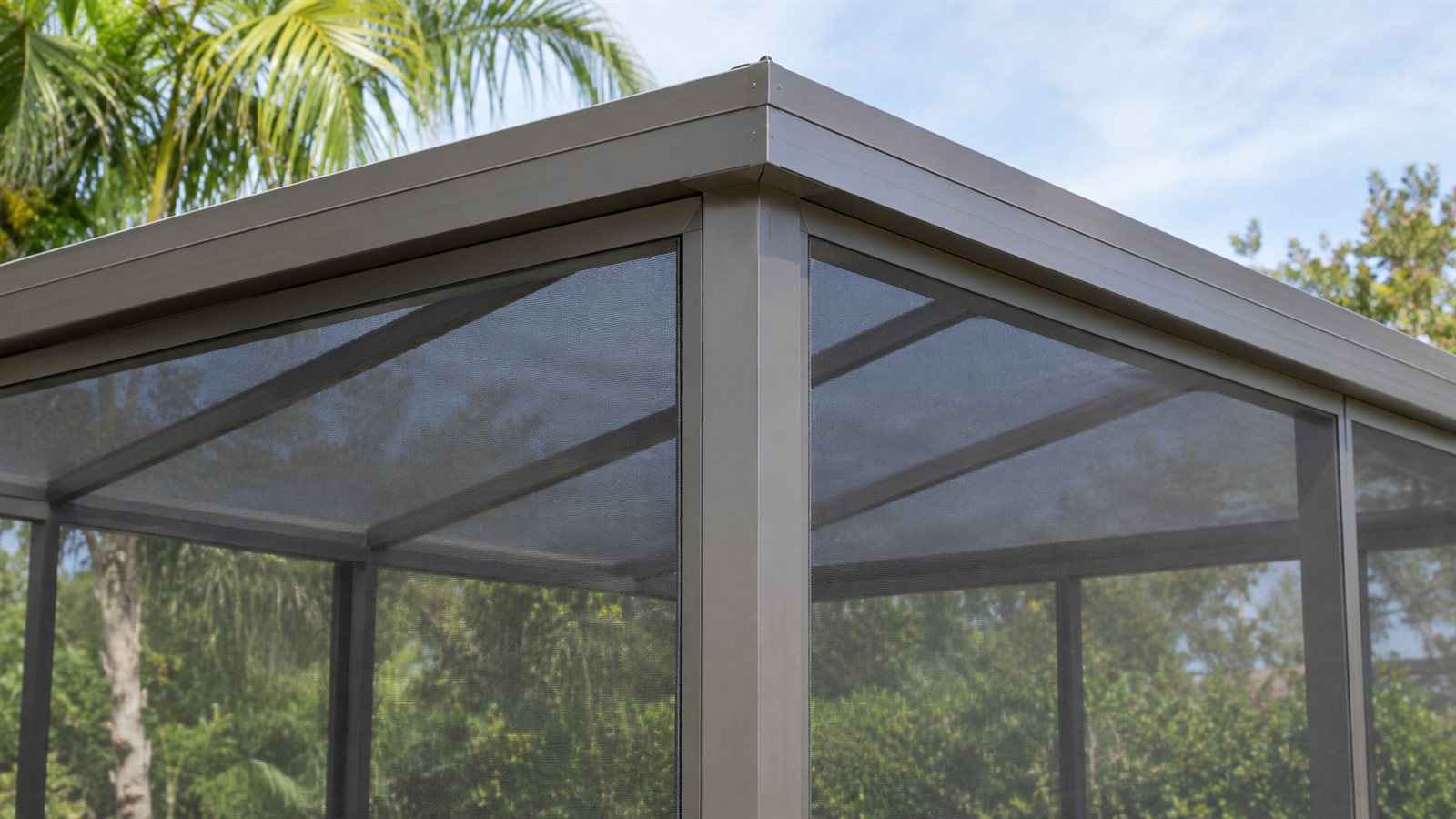
Follow forces through every connection
For an enclosure, a useful conceptual route begins at loaded surfaces, continues through their supporting framing and reaches posts, attachments, anchors and foundations. Actual routes branch and vary with geometry. A drawing can identify which components transfer forces without implying that every anchor carries an equal share. FEMA uses the load-path concept in its wind-retrofit guidance for buildings.
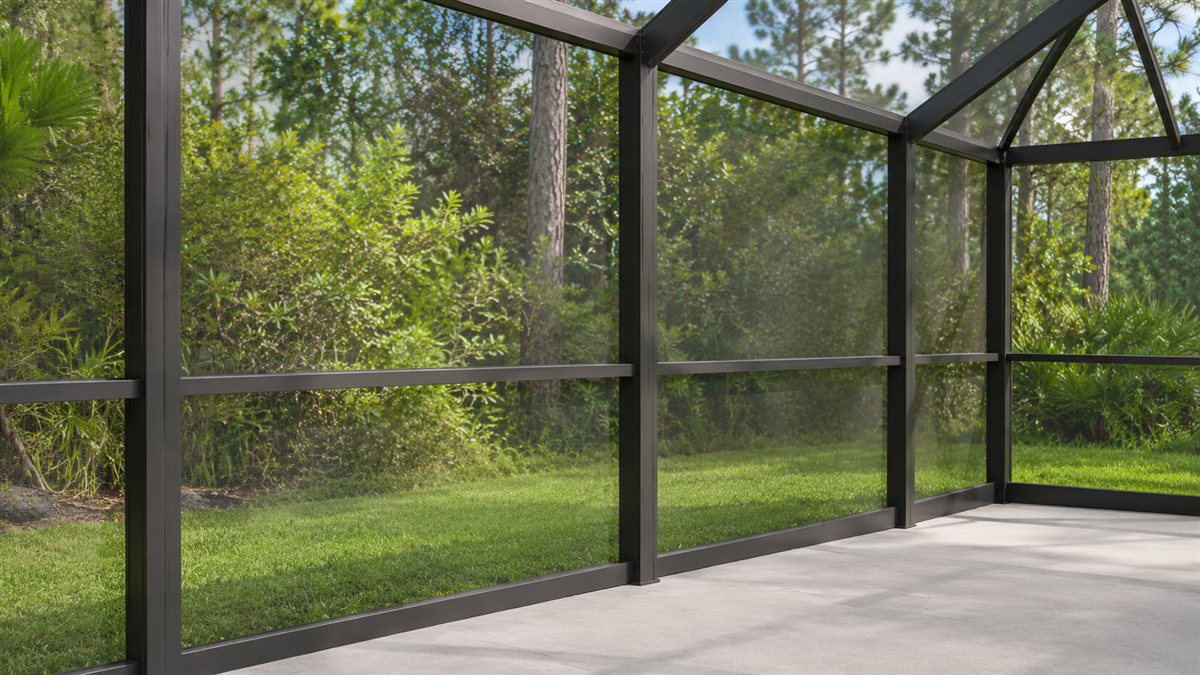
A single upgrade does not describe the whole route
A larger beam may change reactions at its supports. New fasteners may connect to deteriorated aluminum or concrete. Ask how a proposed alteration relates to the rest of the assembly rather than treating the new component as an independent storm rating. A whole-building reference explains the concept; it does not supply a ready-made pool-cage repair detail.
A practical homeowner example
For a picture-window conversion, the homeowner asks the project team to show which members, connections and supports receive the forces after intermediate framing changes. The discussion follows the new route instead of ending with the beam size.
This is an illustrative planning scenario, not a report of a particular West Coast Screening project.
Questions to bring to an estimate
- Keep the document title, applicable version and project identification together.
- Ask who determines the criteria or approval basis for this particular scope.
- Retain the governing documents and written resolutions of changes.
Frequently asked question
Can new screws alone establish a continuous load path?
No. They address particular joints. The connected members, attachments and supporting construction also need to be appropriate for the design and current condition.
Related glossary terms
For the broader vocabulary, return to the pool cage and screen-enclosure glossary.
Authority sources and further reading
- FEMA — Wind Retrofit Guide for Residential Buildings
- The Aluminum Association — Designing Aluminum Screened Enclosures
Use these sources within their scope. Manufacturer information applies to the identified product; research and general guidance do not establish a rating or an approved repair for an individual project.