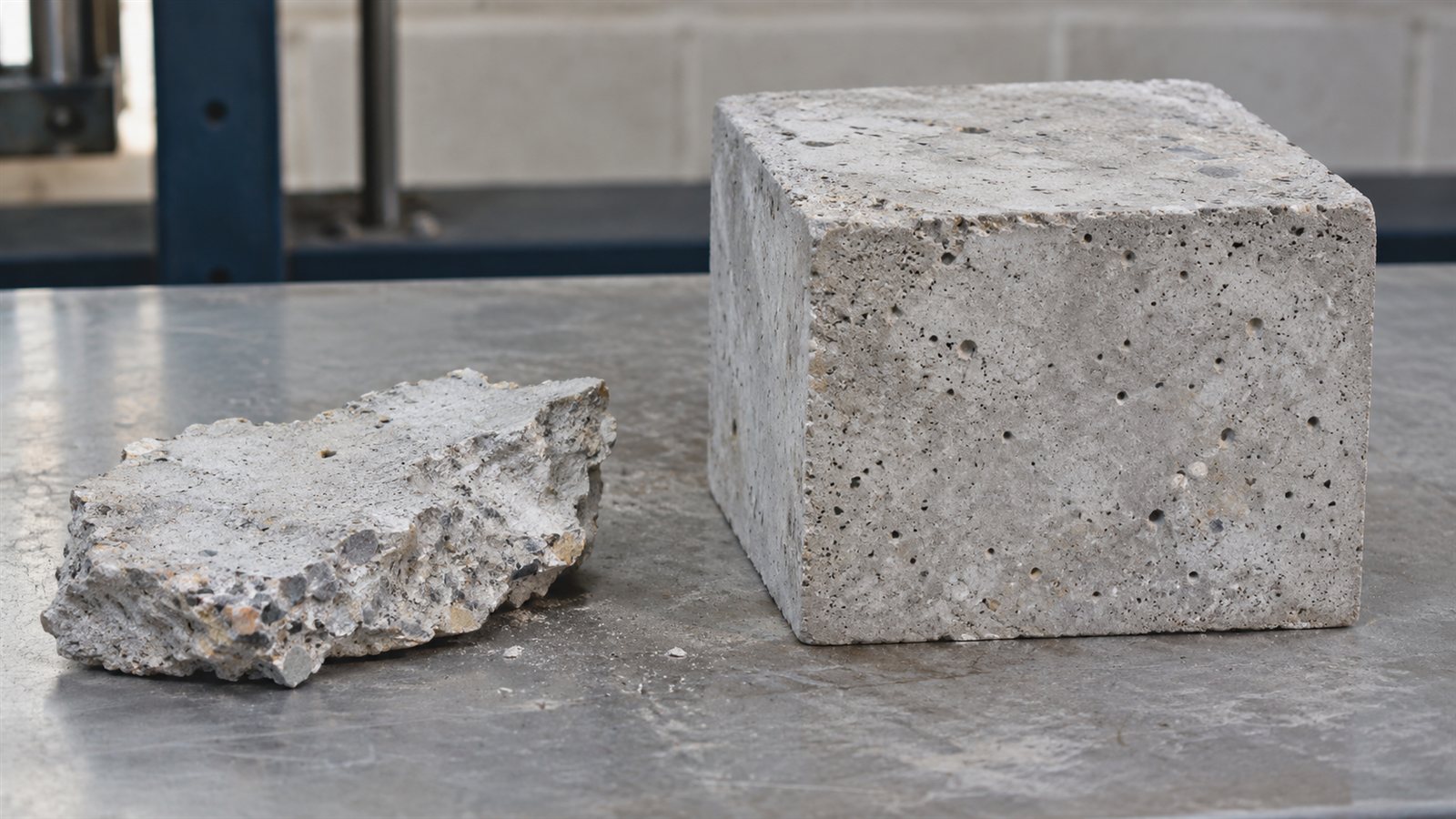
Failure modes must be distinguished
An anchoring design considers relevant ways the connection or substrate could reach its limit. Concrete geometry, edges, spacing and other conditions affect the check. A homeowner does not need to calculate breakout to ask whether the actual support matches the documented assumptions. A simple failure-cone illustration is conceptual and cannot establish the capacity of a particular base.
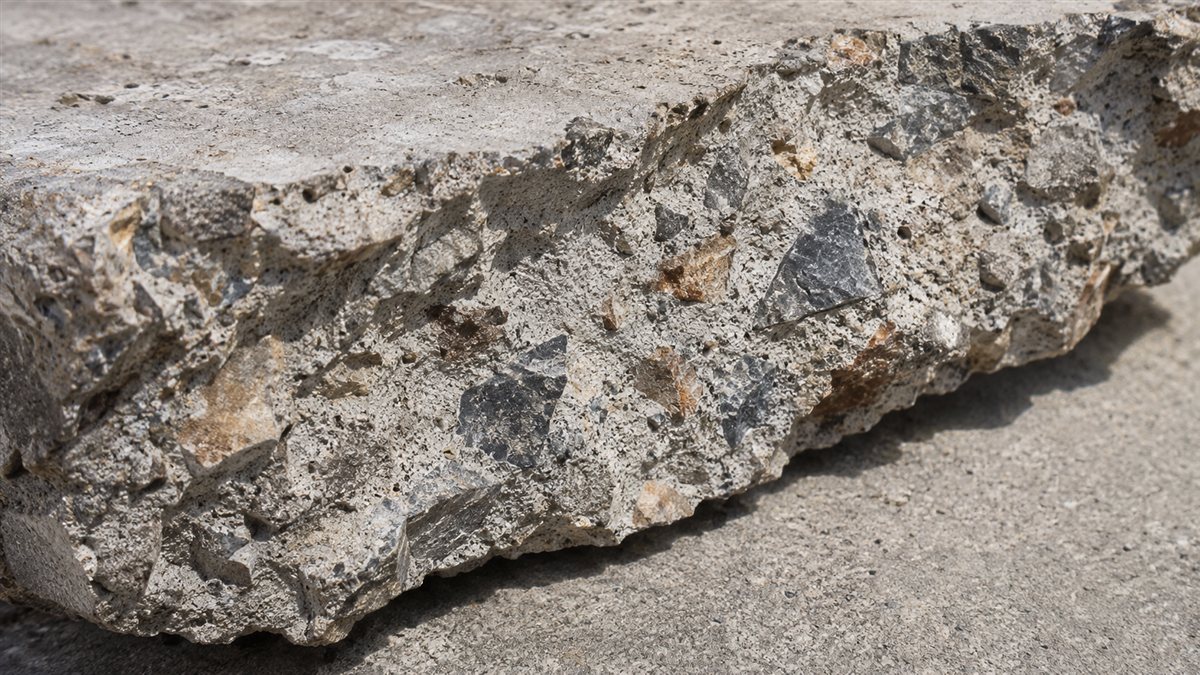
More anchors are not automatically a remedy
Closely arranged anchors interact through the substrate, and a repair can be governed by the concrete rather than the fastener's material strength. Existing holes or broken edges also need attention. Ask the project team to identify the reviewed repair approach instead of accepting additional drilling as proof of adequate support.
A practical homeowner example
Concrete near a post base has broken away. The contractor records the damage and obtains the appropriate connection review rather than installing a larger screw into the same compromised area.
This is an illustrative planning scenario, not a report of a particular West Coast Screening project.
Questions to bring to an estimate
- Keep the document title, applicable version and project identification together.
- Ask who determines the criteria or approval basis for this particular scope.
- Retain the governing documents and written resolutions of changes.
Frequently asked question
Is breakout the same as a screw snapping?
No. Breakout concerns the supporting concrete. A fractured fastener is a different failure mode, though more than one condition can be present.
Related glossary terms
For the broader vocabulary, return to the pool cage and screen-enclosure glossary.
Authority sources and further reading
Use these sources within their scope. Manufacturer information applies to the identified product; research and general guidance do not establish a rating or an approved repair for an individual project.