
Keep the dimensions distinct
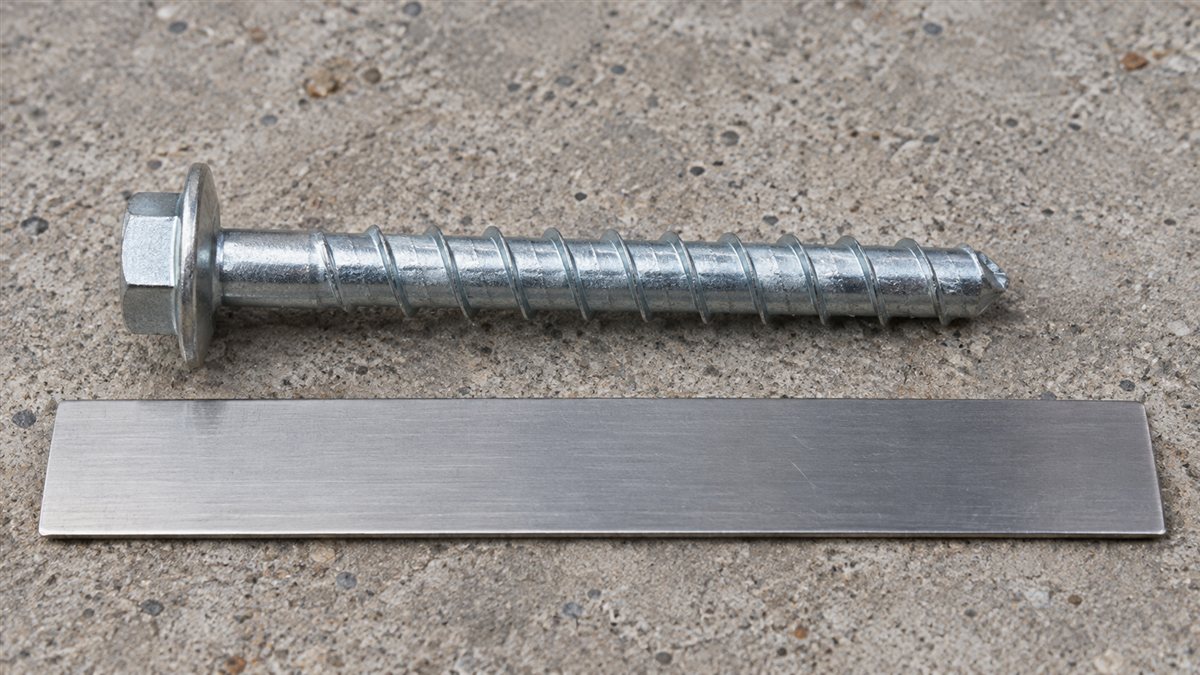
A fastener passes through a fixture before engaging the substrate. Product documents may distinguish nominal embedment, effective embedment and required hole depth. Use the terminology in the actual instructions. Counting all visible and concealed length as effective embedment can misdescribe the installed condition, particularly where finishes or a base plate sit above the structural support.
Use the identified anchor documentation
Required dimensions depend on the named product and installation. Concrete condition, member thickness and other limitations may also matter. Ask the contractor how the specified engagement will be established and documented. Do not infer compliance from the length printed on a generic box, or prescribe one depth for every anchor on an enclosure.
A practical homeowner example
A proposal lists a long screw but does not identify the supporting concrete beneath the fixture. The homeowner asks for the actual product and the engagement specified by its approved detail, rather than assuming length equals embedment.
This is an illustrative planning scenario, not a report of a particular West Coast Screening project.
Questions to bring to an estimate
- Keep the document title, applicable version and project identification together.
- Ask who determines the criteria or approval basis for this particular scope.
- Retain the governing documents and written resolutions of changes.
Frequently asked question
Is hole depth the same as effective embedment?
Not necessarily. Product instructions define the required hole and engagement dimensions. The two should not be treated as interchangeable without checking that documentation.
Related glossary terms
For the broader vocabulary, return to the pool cage and screen-enclosure glossary.
Authority sources and further reading
- Simpson Strong-Tie — Supplemental Topics for Anchors
- Simpson Strong-Tie — Screw versus Expansion Anchors
Use these sources within their scope. Manufacturer information applies to the identified product; research and general guidance do not establish a rating or an approved repair for an individual project.