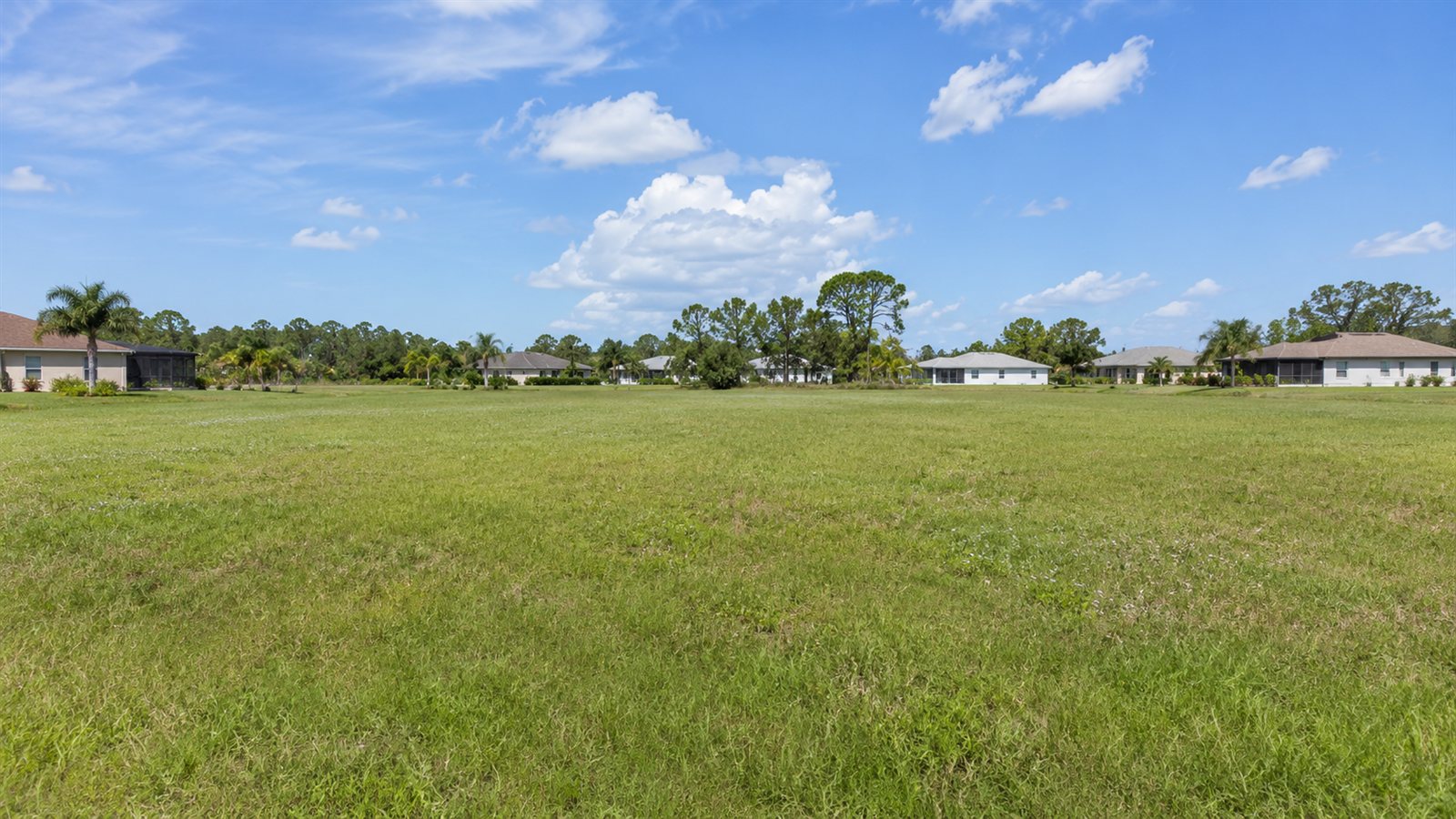
Terrain is evaluated directionally
Exposure B, C and D are defined by the applicable wind standard. Nearby houses, open land and water are clues to discuss with the designer, but a photograph immediately beside the pool does not establish the category. The relevant terrain, distances and wind directions must be considered under the governing method. A waterfront label alone is not a complete exposure determination.
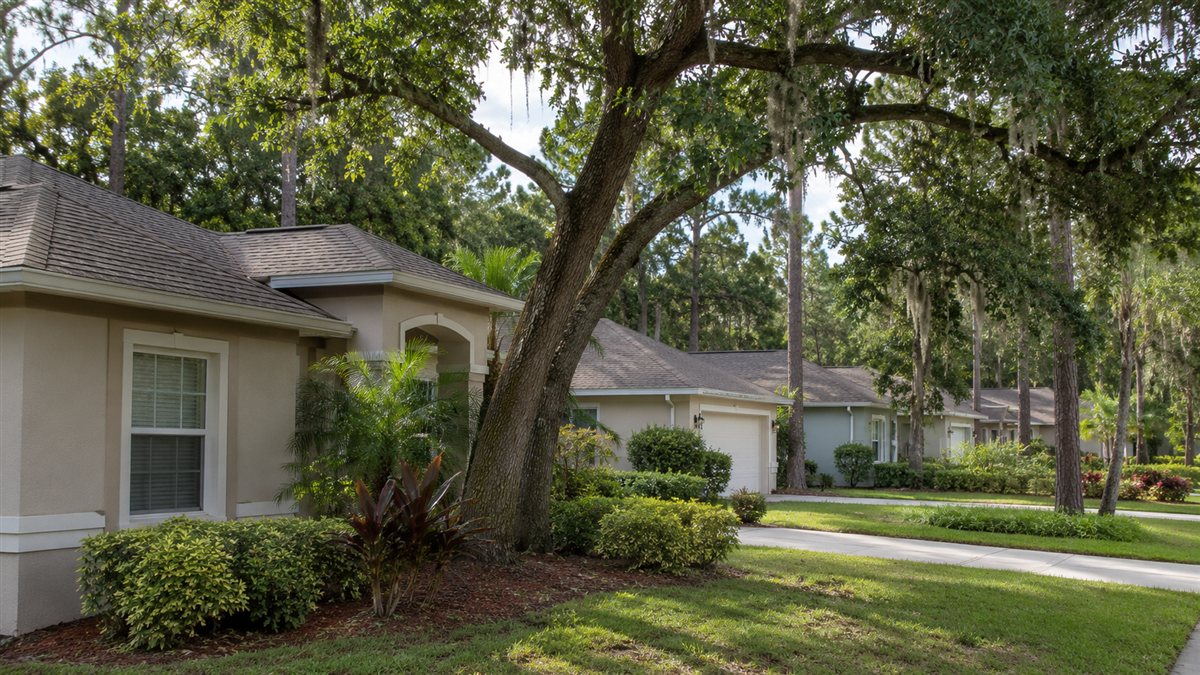
Keep exposure with the design notes
An enclosure quote should point to the exposure used in its drawings, along with the other design criteria. If a property faces a cleared field on one side and dense development on another, explain that setting to the project team. Do not select a category simply because it appears on an older neighboring permit. The actual site and applicable criteria control.
A practical homeowner example
A homeowner comparing two bids finds different exposure notes. Instead of assuming one bidder made a stronger cage, the homeowner asks each designer to explain the site assumptions and whether both bids cover the same property conditions.
This is an illustrative planning scenario, not a report of a particular West Coast Screening project.
Questions to bring to an estimate
- Keep the document title, applicable version and project identification together.
- Ask who determines the criteria or approval basis for this particular scope.
- Retain the governing documents and written resolutions of changes.
Frequently asked question
Is exposure the same as the hurricane category?
No. Exposure describes terrain in a structural analysis. A hurricane category describes a storm's sustained wind intensity; the terms answer different questions.
Related glossary terms
For the broader vocabulary, return to the pool cage and screen-enclosure glossary.
Authority sources and further reading
- Florida Building Commission — Code resources
- The Aluminum Association — Designing Aluminum Screened Enclosures
Use these sources within their scope. Manufacturer information applies to the identified product; research and general guidance do not establish a rating or an approved repair for an individual project.