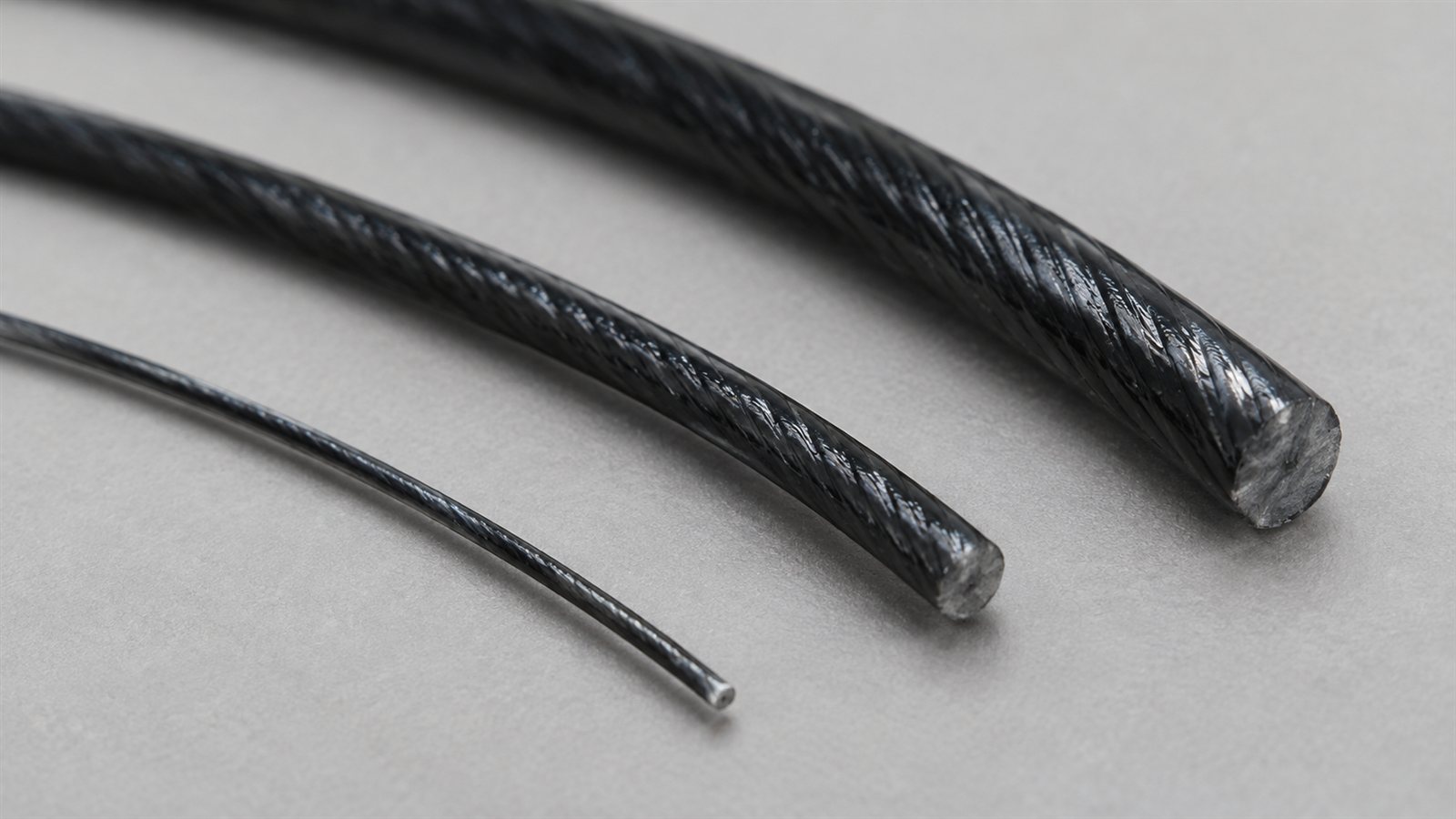
Thickness changes the available opening
At a given spacing, a thicker strand occupies more of the fabric surface. Manufacturers balance strand material, coating and weave to obtain different product properties. Do not treat a thicker-looking strand as a complete strength specification. The material and the overall fabric construction remain part of the comparison.
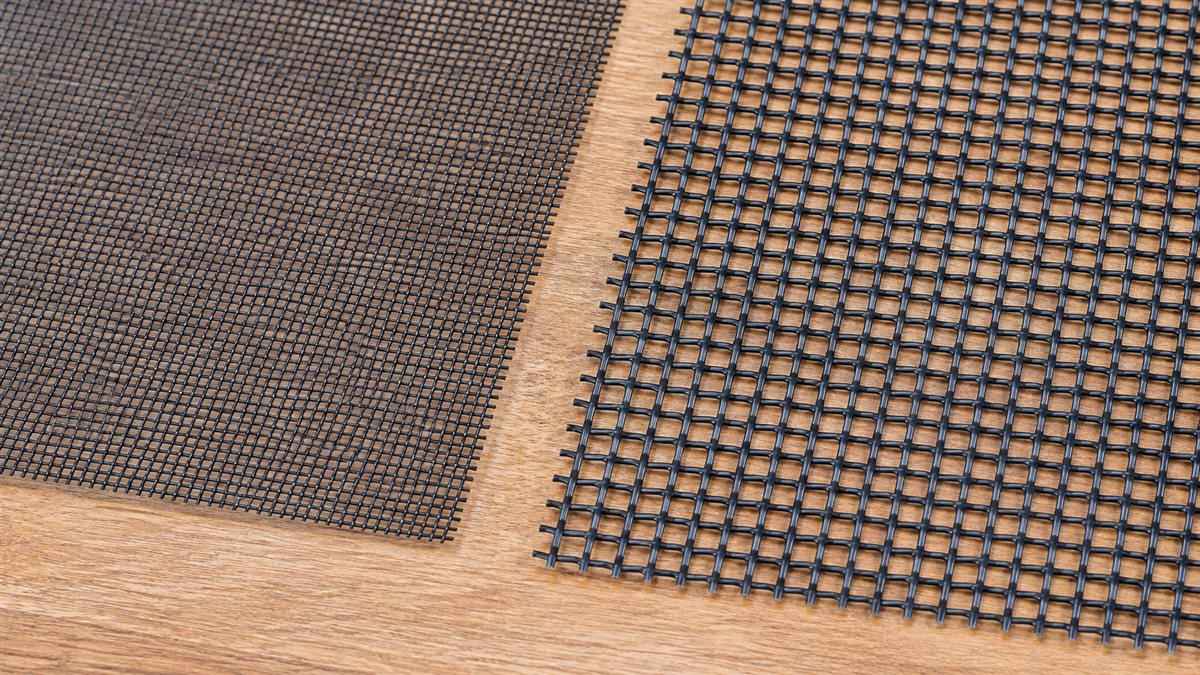
The retaining system also sees the fabric
A different fabric thickness can affect the mesh-and-spline combination suitable for a particular frame. Ask the installer to check the selected product against the channel rather than reusing the old retaining cord by habit. Published installation guidance concerns the actual mesh and system, not a general rule that every heavier fabric needs the same adjustment.
A practical homeowner example
A homeowner wants tougher material in a lower panel. The contractor identifies the product and retaining-system requirements rather than selecting it only because the strands look thicker.
This is an illustrative planning scenario, not a report of a particular West Coast Screening project.
Questions to bring to an estimate
- Name the actual fabric and intended wall, door or roof application.
- Check compatibility with the frame and retaining system.
- Compare material claims using the same property, units and conditions.
Frequently asked question
Is yarn diameter a wind rating?
No. It is a fabric characteristic. Wind performance of an enclosure depends on the complete assembly and applicable design assumptions.
Related glossary terms
For the broader vocabulary, return to the pool cage and screen-enclosure glossary.
Authority sources and further reading
Use these sources within their scope. Manufacturer information applies to the identified product; research and general guidance do not establish a rating or an approved repair for an individual project.