
Opening size depends on the weave
Strand thickness and spacing together determine the shape and dimensions of the gaps. A similar count does not guarantee identical apertures in two products. Phifer's screen terminology distinguishes these properties. Ask for the named fabric's published information rather than estimating insect performance from a close photograph without scale.
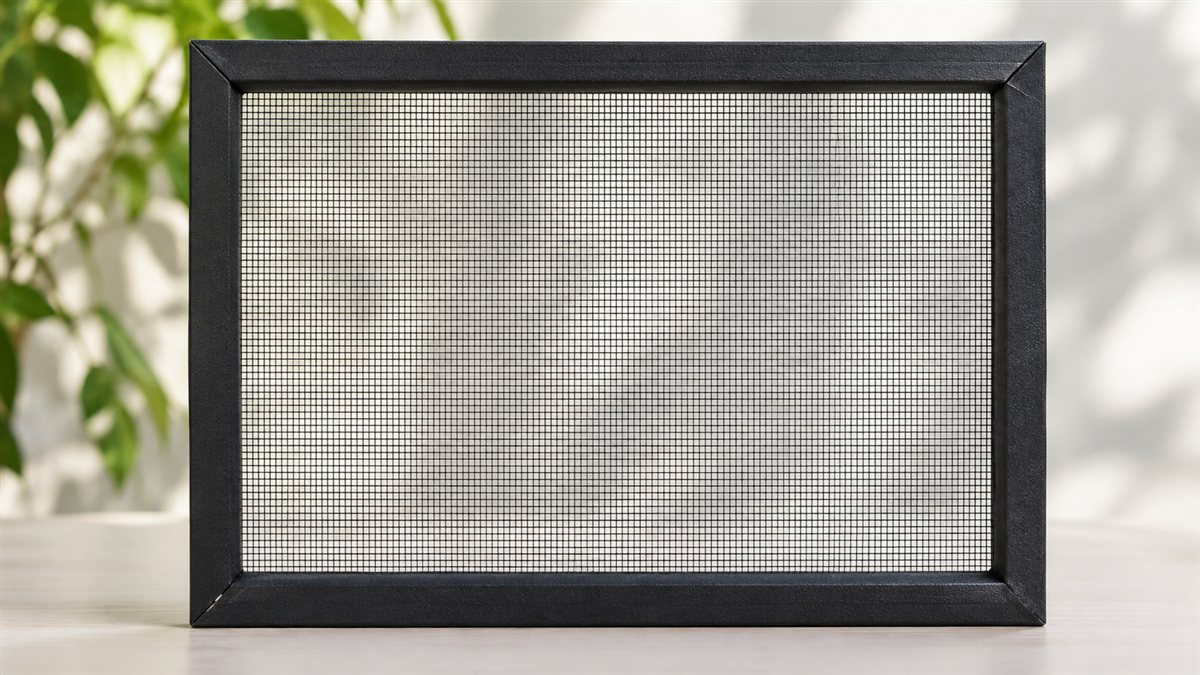
Use aperture as one comparison field
Small-insect protection, view, ventilation and strength are separate product questions. A smaller-looking opening does not establish a structural wind rating, nor does it close gaps around doors or screen edges. Compare compatible materials for the intended opening and retain the exact product identification. The broader Mesh Count and Openness page places aperture in the overall fabric description.
A practical homeowner example
Two screen samples look similar from a distance. A homeowner compares the product data for opening geometry as part of choosing small-insect protection, while also asking the installer to inspect perimeter gaps.
This is an illustrative planning scenario, not a report of a particular West Coast Screening project.
Questions to bring to an estimate
- Name the actual fabric and intended wall, door or roof application.
- Check compatibility with the frame and retaining system.
- Compare material claims using the same property, units and conditions.
Frequently asked question
Can I infer aperture exactly from mesh count alone?
No. Strand dimensions and construction also affect the opening. Use the actual product data when a precise comparison is needed.
Related glossary terms
For the broader vocabulary, return to the pool cage and screen-enclosure glossary.
Authority sources and further reading
Use these sources within their scope. Manufacturer information applies to the identified product; research and general guidance do not establish a rating or an approved repair for an individual project.