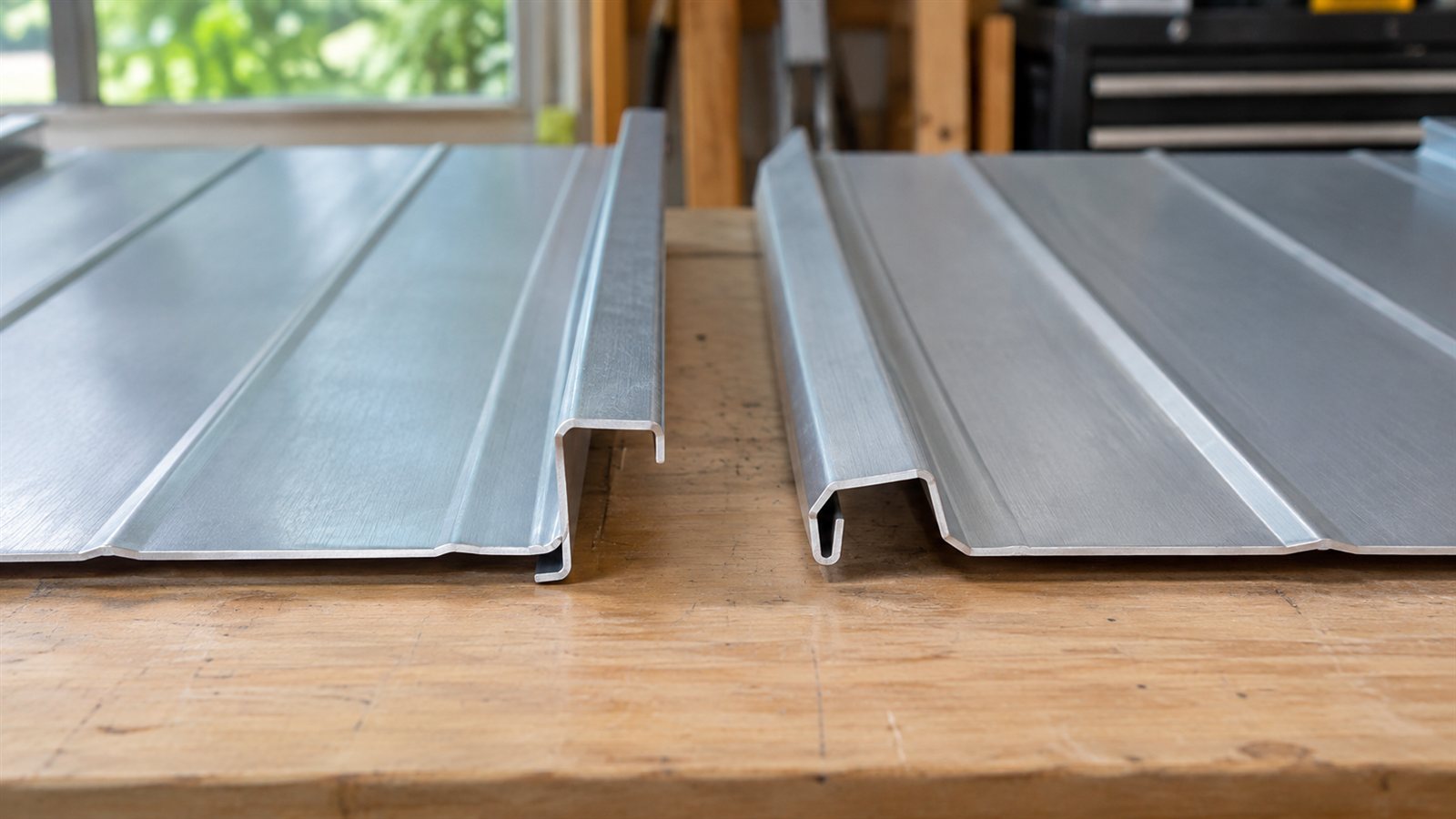
Edges perform product-specific functions
An interlocking appearance does not establish that panels are fully engaged, properly attached or suitable for a particular installation. The instructions identify the actual joint and assembly sequence. Distinguish the edge profile from support framing and from sealant that may be specified at particular locations. Similar-looking profiles may belong to different systems.
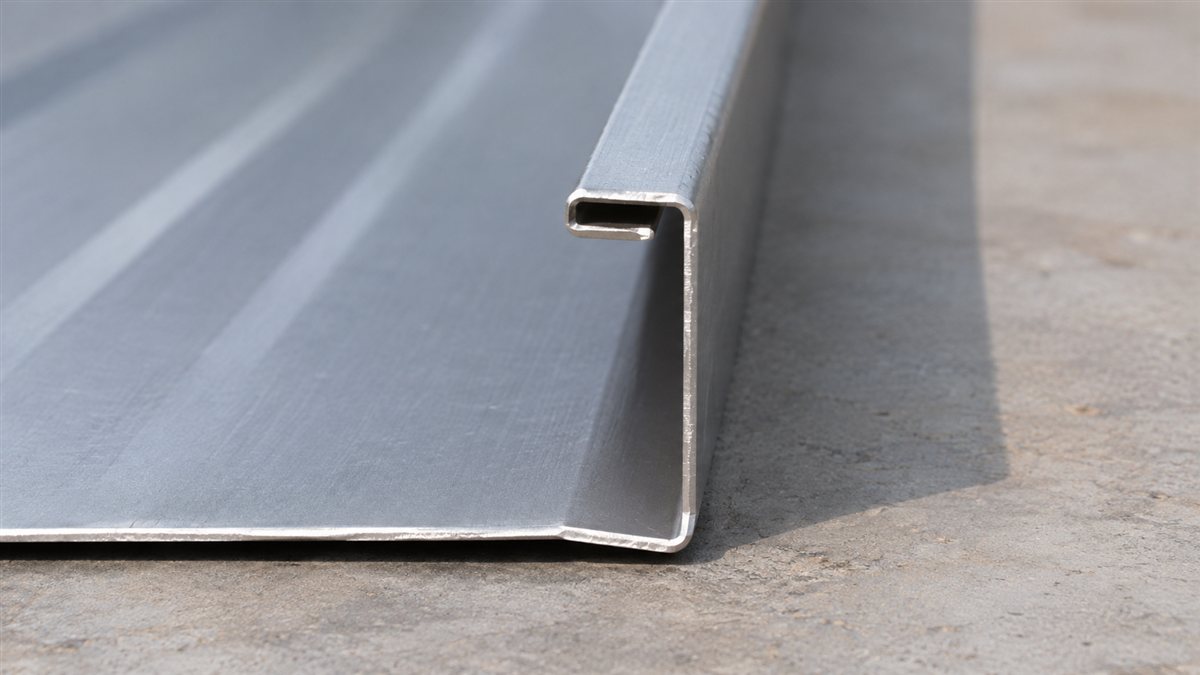
Leaks and displacement need an identified scope
A joint concern can involve engagement, damage, fastening, sealant or another water path. Ask the contractor to identify the product and affected condition before recommending broad resealing. Do not pry apart or walk on a roof to inspect the edge. Safe access and a repair method appropriate to the installed system belong in the proposal.
A practical homeowner example
A homeowner sees water near a panel seam. The contractor identifies the actual panel joint and traces the entry path before deciding whether the work concerns sealing, engagement or another component.
This is an illustrative planning scenario, not a report of a particular West Coast Screening project.
Questions to bring to an estimate
- Identify the exact panel system and applicable installation documents.
- Keep panel, support, attachment and water-management questions together.
- Include penetrations and accessories in the proposed assembly review.
Frequently asked question
Does an interlock eliminate all need for fasteners or sealant?
No general rule applies. The exact product's installation documents determine how the joint, attachments and any specified sealing work together.
Related glossary terms
For the broader vocabulary, return to the pool cage and screen-enclosure glossary.
Authority sources and further reading
Use these sources within their scope. Manufacturer information applies to the identified product; research and general guidance do not establish a rating or an approved repair for an individual project.