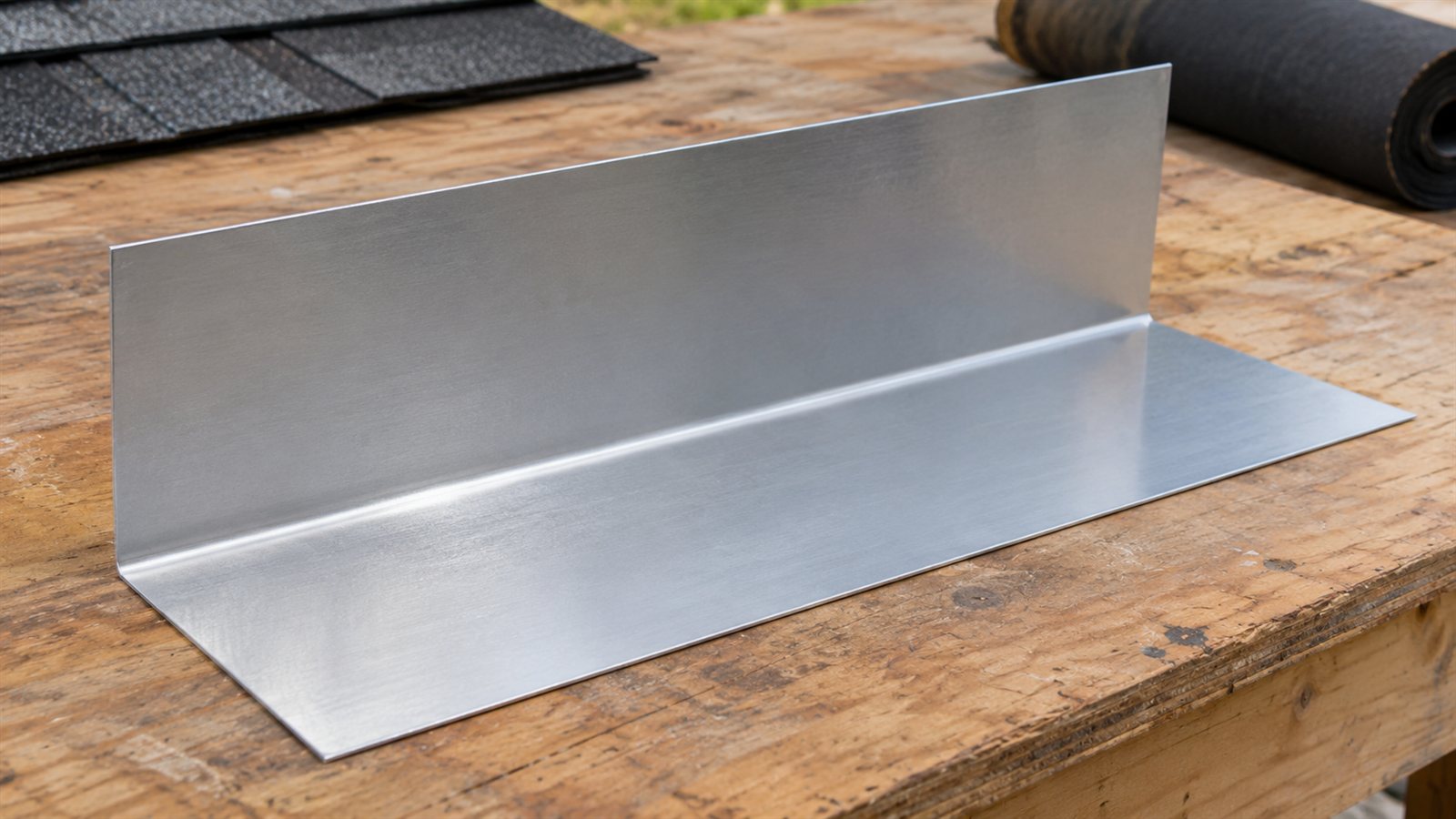
Flashing follows the water path
At a roof-to-wall junction or patio-cover attachment, the relevant question is how water moves across the assembled layers. A visible metal strip is only part of that arrangement. PNNL's Building America guidance explains flashing as a component of water management; details differ with roof type, wall construction and the particular transition.

Flashing and sealant perform different jobs
A sealant bead may be part of a specified joint, but its presence does not show how concealed layers are integrated. Likewise, fascia screen closes an insect opening and does not replace flashing. Ask a leak-repair scope to identify the suspected entry, affected assembly and proposed verification rather than promising to seal every visible seam without tracing the route.
A practical homeowner example
Water appears below a patio attachment after rain. The contractor considers the roof-wall transition and drainage path instead of assuming the nearest screen panel caused the leak. The written scope identifies the actual assembly being repaired.
This is an illustrative planning scenario, not a report of a particular West Coast Screening project.
Questions to bring to an estimate
- Show where the water enters, travels and ultimately discharges.
- Record the symptom separately from the proposed cause and repair.
- Ask how the completed work will be checked under suitable conditions.
Frequently asked question
Is fascia screen a type of roof flashing?
No. Mesh infill primarily closes an insect-entry opening. Flashing manages water at roof and wall transitions; the components are not interchangeable.
Related glossary terms
For the broader vocabulary, return to the pool cage and screen-enclosure glossary.
Authority sources and further reading
Use these sources within their scope. Manufacturer information applies to the identified product; research and general guidance do not establish a rating or an approved repair for an individual project.