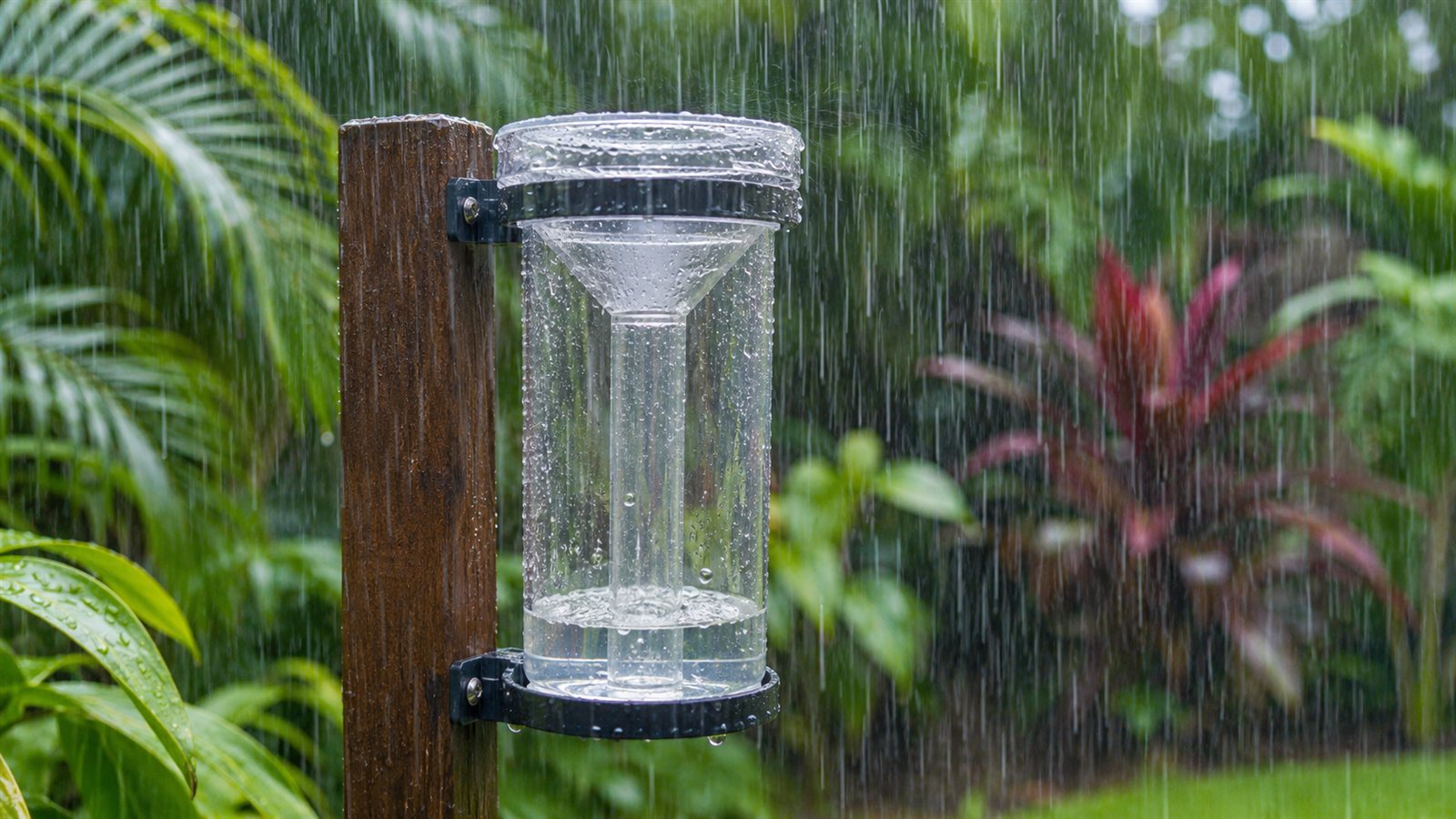
Duration changes what the number means
An inch falling over a short interval produces a different average rate from an inch spread over many hours. Keep the duration and units beside any rainfall figure. NOAA precipitation-frequency resources organize estimates by location, duration and frequency. A number from another region or a different interval should not be copied into a local drainage comparison without context.
Frequency is not a schedule
A return-period description relates to probability, not a promise that a storm occurs only once during that many years. Ask the project team which criterion applies to the proposed drainage work. Rainfall estimates are one input; they do not independently size an entire gutter and downspout system or describe its receiving area.
A practical homeowner example
A homeowner finds an annual rainfall figure online while comparing gutters. The installer explains the design rainfall basis used for the roof-drainage calculation and documents its duration instead of using the yearly total as an hourly rate.
This is an illustrative planning scenario, not a report of a particular West Coast Screening project.
Questions to bring to an estimate
- Show where the water enters, travels and ultimately discharges.
- Record the symptom separately from the proposed cause and repair.
- Ask how the completed work will be checked under suitable conditions.
Frequently asked question
Can annual rainfall be used as gutter design intensity?
No. Annual accumulation and short-duration rainfall intensity are different quantities. The applicable drainage method identifies the relevant rainfall basis.
Related glossary terms
For the broader vocabulary, return to the pool cage and screen-enclosure glossary.
Authority sources and further reading
Use these sources within their scope. Manufacturer information applies to the identified product; research and general guidance do not establish a rating or an approved repair for an individual project.