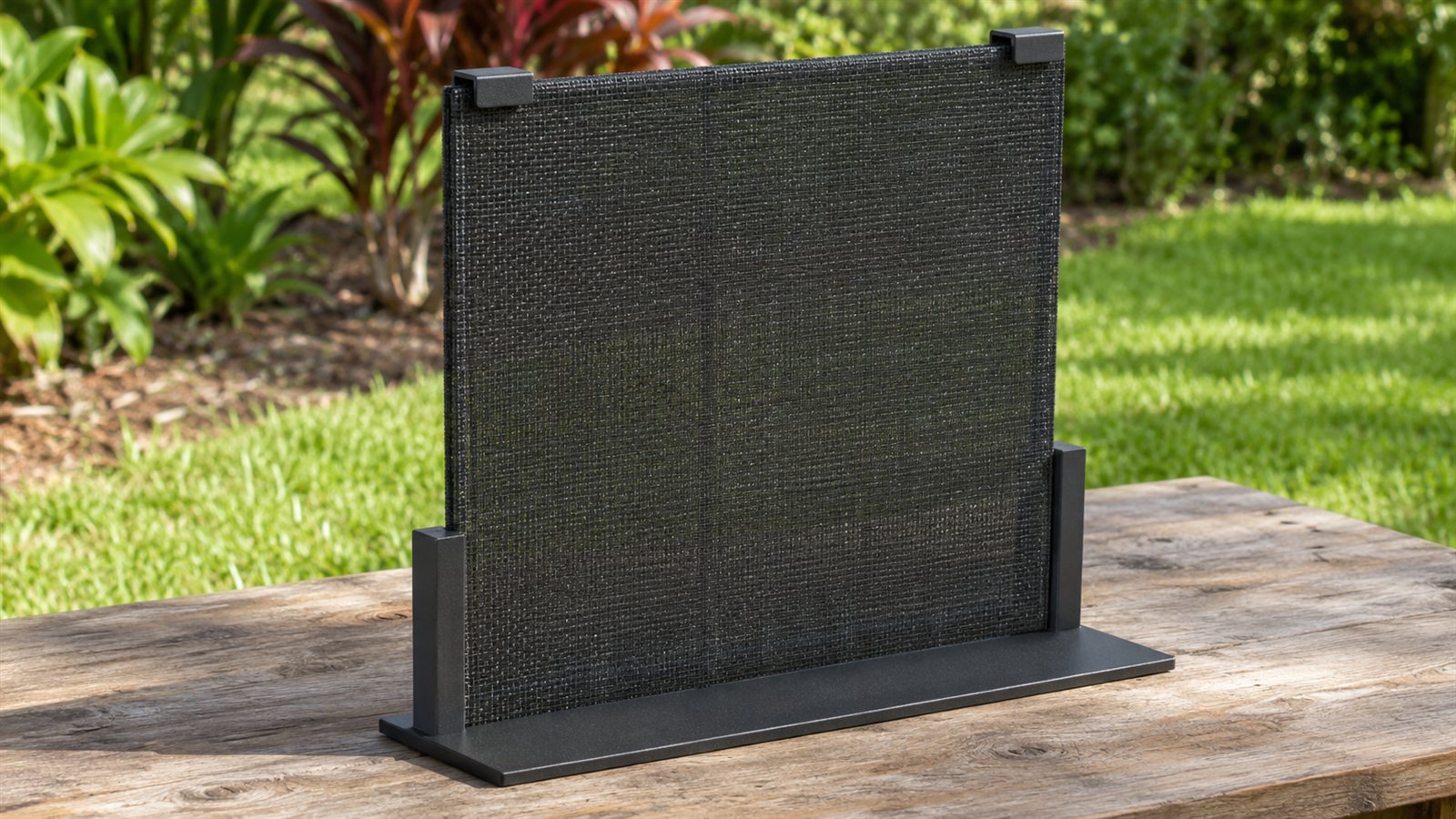
Privacy is a use goal, not one material
Woven solar fabrics, denser insect meshes and laminated products can behave differently. Compare the product in lighting similar to the intended location, including after dark where relevant. Ask what the manufacturer actually claims rather than assuming daytime appearance guarantees the same privacy when the interior is brighter than outdoors.
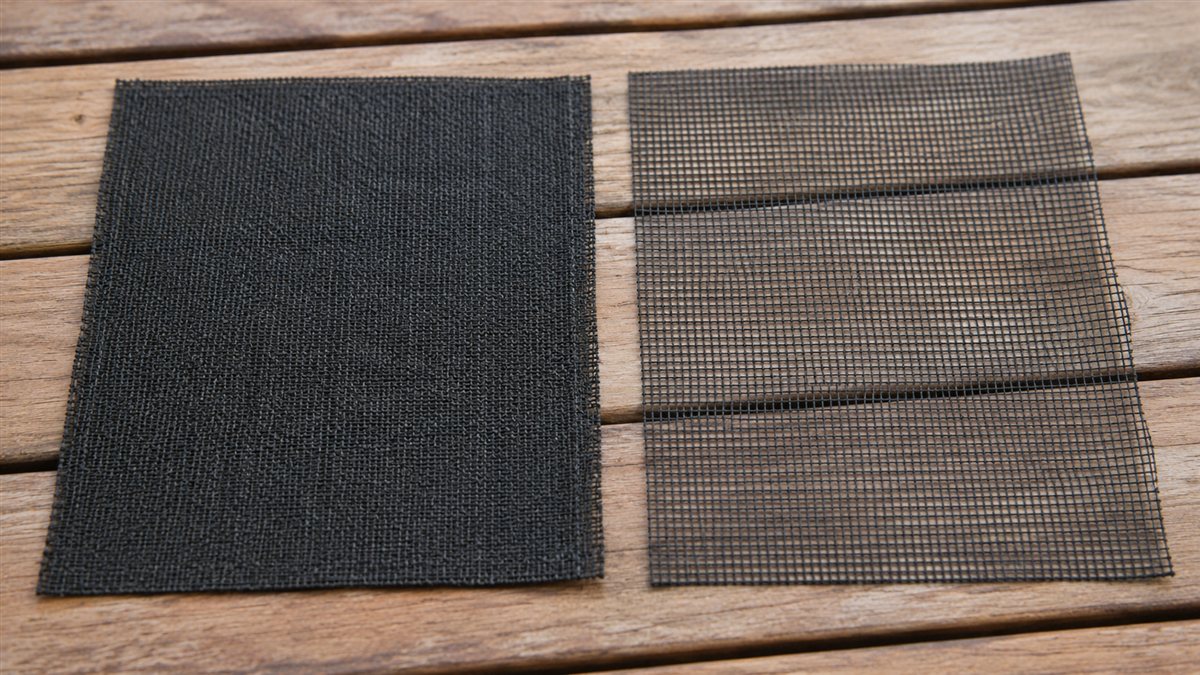
Check the intended application
Phifer describes Glas-Shield as a vertical privacy and debris-control material and excludes roofing or horizontal applications. That limitation should not be generalized to every product, but it illustrates why exact product selection matters. Changing an open screen area to a less porous or solid infill can also require review of the enclosure assumptions.
A practical homeowner example
A homeowner wants privacy beside a seating area. The contractor identifies the particular wall panels and proposed fabric, explains its application limits and checks whether the change needs further enclosure review before quoting the work.
This is an illustrative planning scenario, not a report of a particular West Coast Screening project.
Questions to bring to an estimate
- Name the actual fabric and intended wall, door or roof application.
- Check compatibility with the frame and retaining system.
- Compare material claims using the same property, units and conditions.
Frequently asked question
Can any privacy fabric be installed on a screen roof?
No. Use depends on the exact product and approved application. Some privacy infill is specifically limited to vertical walls and is unsuitable for roofs.
Related glossary terms
For the broader vocabulary, return to the pool cage and screen-enclosure glossary.
Authority sources and further reading
Use these sources within their scope. Manufacturer information applies to the identified product; research and general guidance do not establish a rating or an approved repair for an individual project.