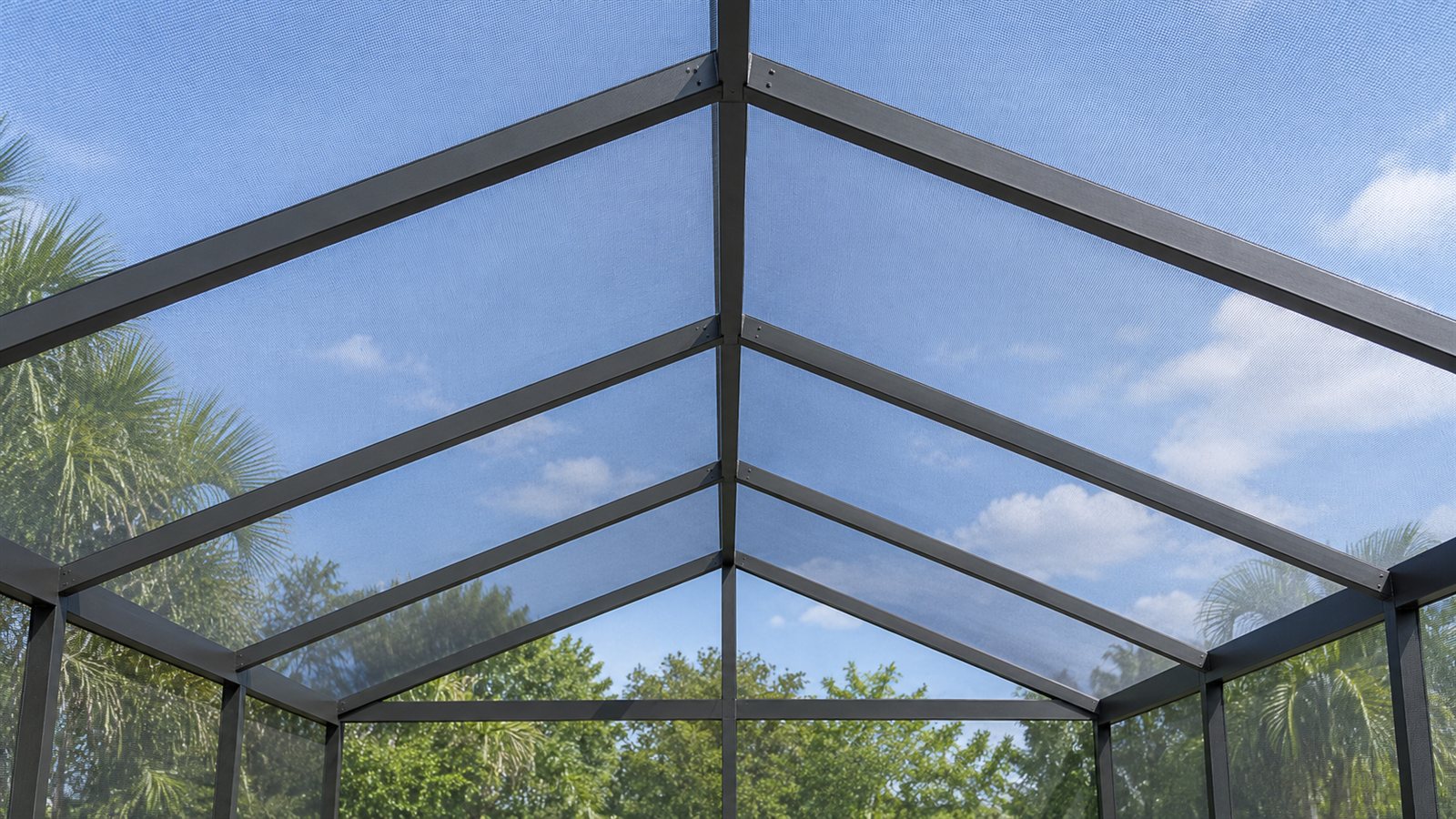
Identify the member on the roof drawing
Rafters generally follow the roof slope, while purlins or other secondary members connect or span between primary framing. Terminology can vary among systems. Use the plan and elevation to identify the member before discussing a repair. A photograph taken from below may make several members appear to run in the same direction, especially at a hip or roof transition.
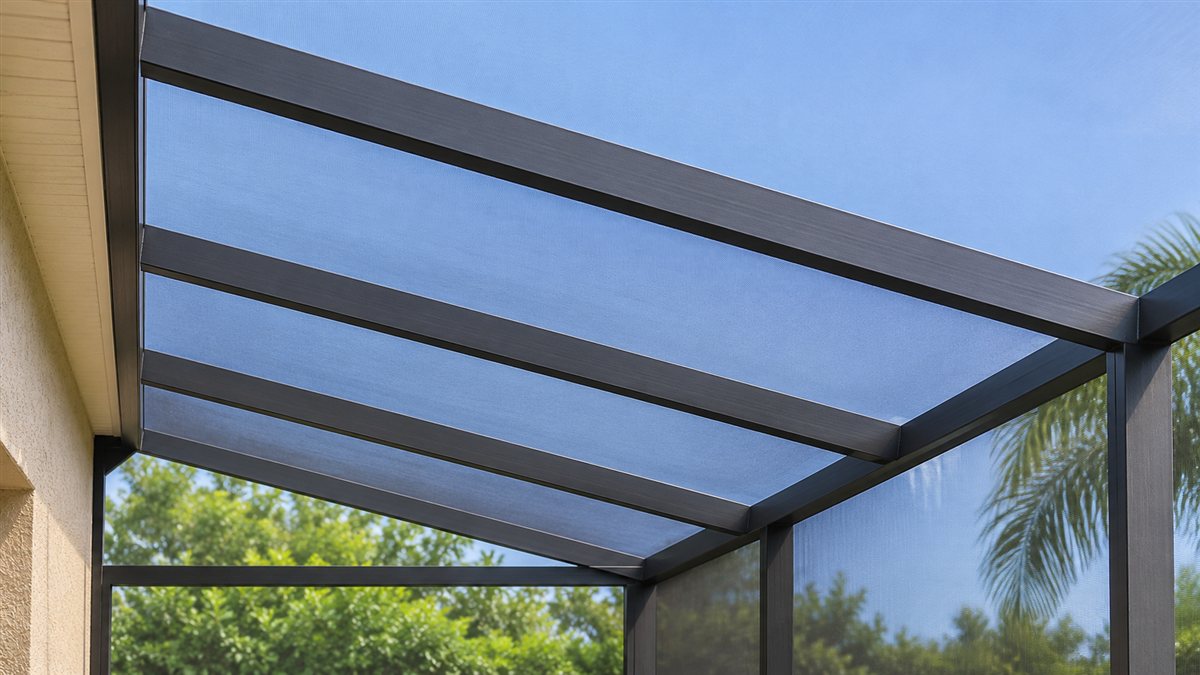
Treat attachments as a separate design question
Lights, fans, storage and other accessories create additional demands or connection questions. A rafter is not automatically an approved attachment point merely because it appears substantial. Ask whether the item and its connection are included in the design. A screen-only repair should also be distinguished from work on the roof member itself.
A practical homeowner example
A homeowner reports a damaged roof bar. The contractor marks the actual member on a roof photograph and compares it with the plans before deciding whether the scope concerns mesh, a purlin or a primary rafter.
This is an illustrative planning scenario, not a report of a particular West Coast Screening project.
Questions to bring to an estimate
- Identify the actual component and its connections on the project documents.
- Ask what inspection is included before a replacement is selected.
- Keep changes to framing separate from screen-only or cosmetic work.
Frequently asked question
Is a rafter the same as a purlin?
Usually they describe different roof-framing roles. The actual system drawings control the member identity, orientation and connection arrangement.
Related glossary terms
For the broader vocabulary, return to the pool cage and screen-enclosure glossary.
Authority sources and further reading
Use these sources within their scope. Manufacturer information applies to the identified product; research and general guidance do not establish a rating or an approved repair for an individual project.