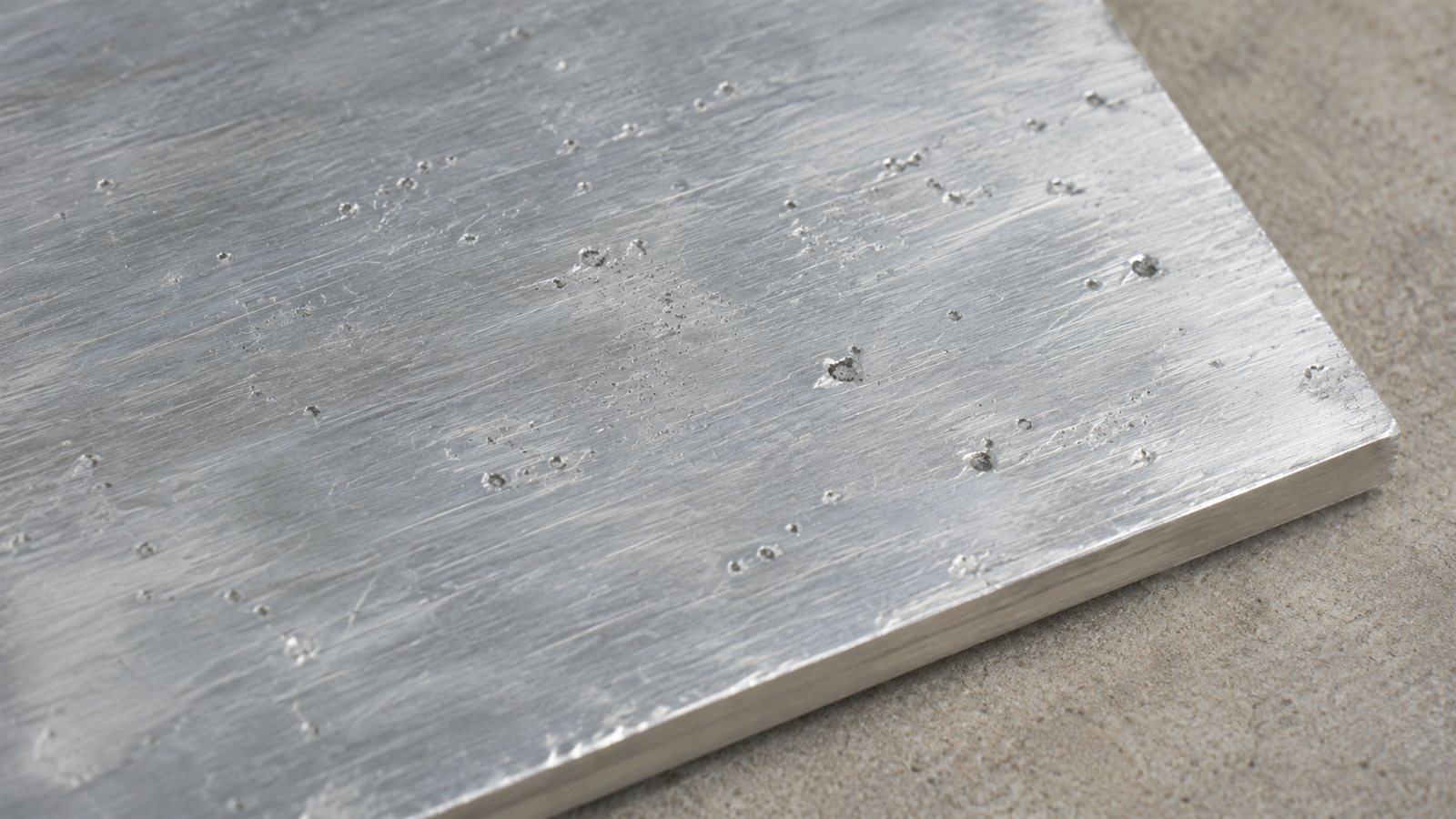
Small visible areas can hide deeper geometry
The opening of a pit does not provide a complete measurement of remaining section. Dirt, coatings and deposits can also obscure the surface. Ask an evaluator to distinguish the observed condition from an assumed cause or capacity conclusion. Do not scrape, drill or load a structural member to test a suspected pit yourself.
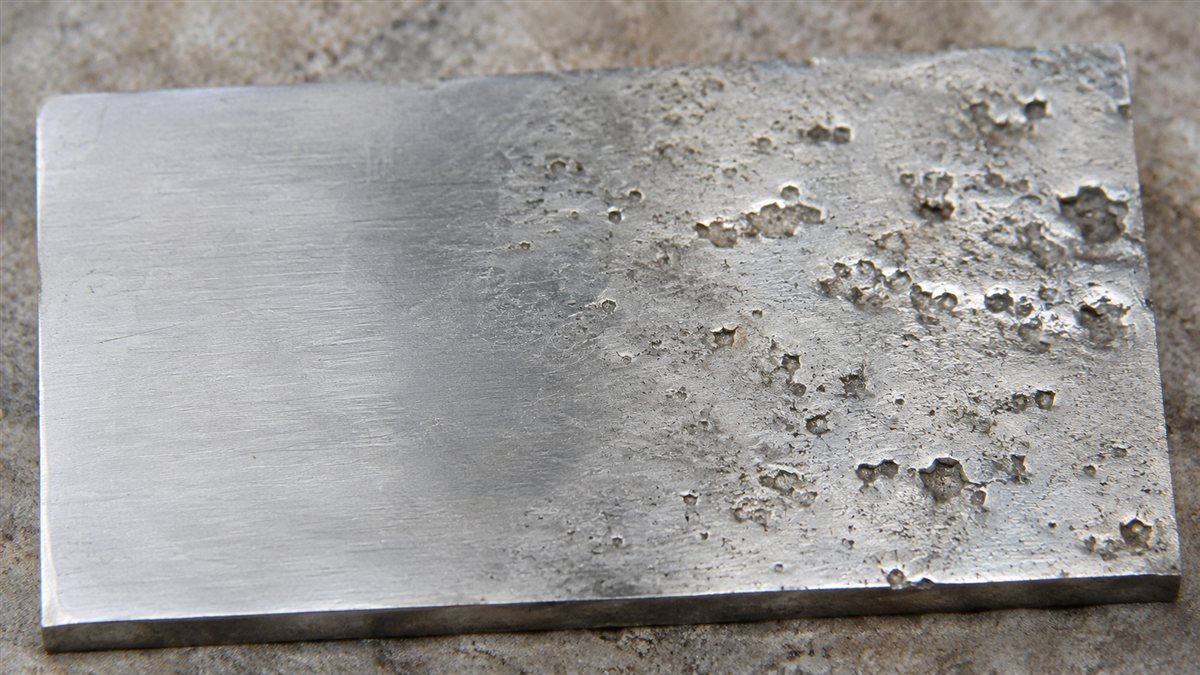
Material and exposure both matter
Pitting can affect different metals under suitable conditions, and resistance depends on the material and environment. A stainless label does not mean localized corrosion is impossible. Record the component location, exposure and nearby joints when requesting an inspection. The repair choice should follow the actual extent and role of the affected component, rather than the appearance of a stain alone.
A practical homeowner example
A homeowner notices small cavities near a connection. The contractor evaluates whether material loss is present and what component is affected before describing cleaning, fastener work or member repair.
This is an illustrative planning scenario, not a report of a particular West Coast Screening project.
Questions to bring to an estimate
- Identify the actual component and its connections on the project documents.
- Ask what inspection is included before a replacement is selected.
- Keep changes to framing separate from screen-only or cosmetic work.
Frequently asked question
Is every white mark on aluminum a pit?
No. White deposits and surface changes can have several explanations. Pitting describes localized cavities and should not be diagnosed solely from deposit color.
Related glossary terms
For the broader vocabulary, return to the pool cage and screen-enclosure glossary.
Authority sources and further reading
Use these sources within their scope. Manufacturer information applies to the identified product; research and general guidance do not establish a rating or an approved repair for an individual project.