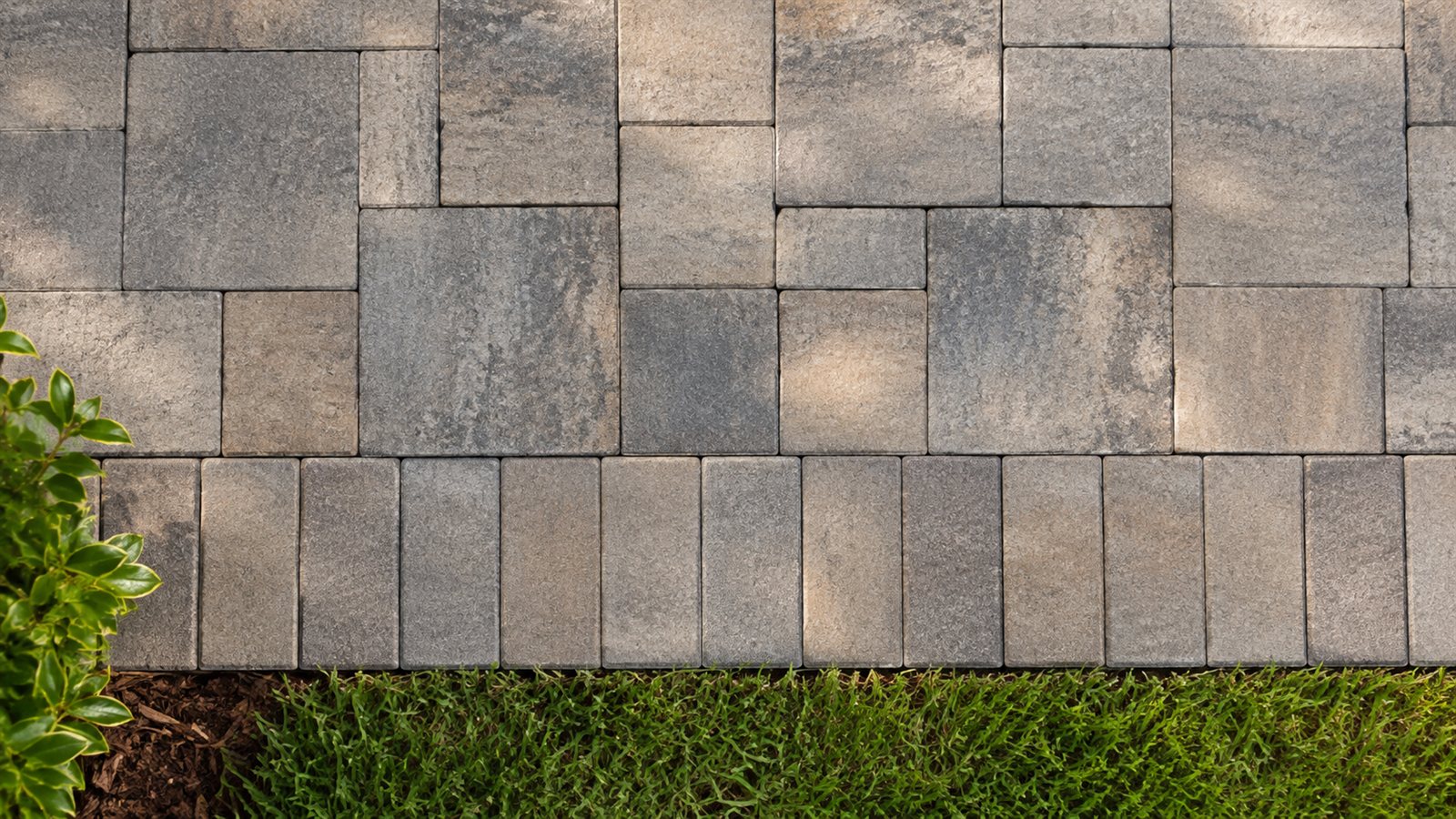
Orientation gives the border its name
A soldier border can frame a patio, driveway or walkway. Corners and curves may need adjusted unit layouts and cuts. Review the proposed plan before installation so the orientation is clear from the main viewing direction. The term identifies how the units are arranged; it does not specify the underlying base or joint material.
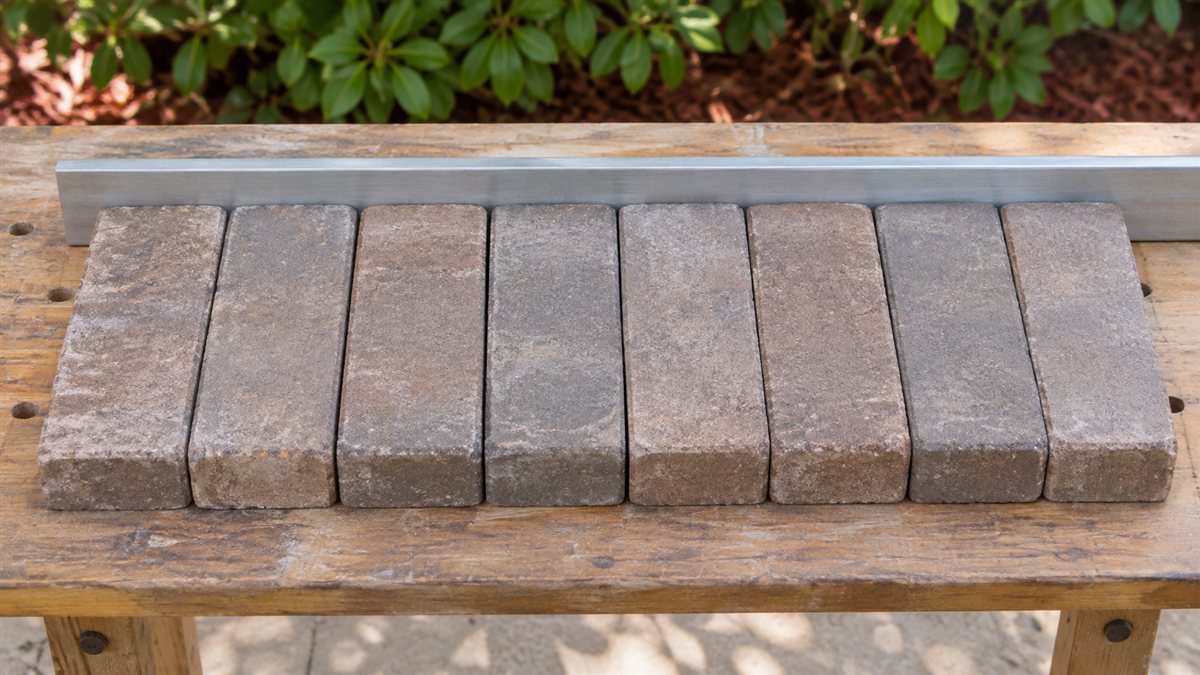
A border is not automatically an edge restraint
A decorative row may sit beside a separate restraint or participate in a particular detailed edge arrangement. Ask how the perimeter is contained and supported. Do not assume mortared units, loose border pieces and a specified concrete curb all perform the same role. The restraint detail should follow the actual application and intended loads.
A practical homeowner example
A homeowner chooses a soldier border for a driveway. The contractor shows the orientation and separately identifies the restraint and support that keep the pavement field contained.
This is an illustrative planning scenario, not a report of a particular West Coast Screening project.
Questions to bring to an estimate
- Identify the affected area, intended traffic and existing pavement system.
- Keep unit, joint, bedding, base and soil questions separate.
- Ask how drainage and perimeter restraint are included in the scope.
Frequently asked question
Does a soldier course replace edge restraint?
Not automatically. The border pattern and the restraining detail are different questions. The actual edge assembly must be identified.
Related glossary terms
For the broader vocabulary, return to the pool cage and screen-enclosure glossary.
Authority sources and further reading
- CMHA — Glossary of Terms for Segmental Concrete Pavement
- CMHA — Edge Restraints for Interlocking Concrete Pavements
Use these sources within their scope. Manufacturer information applies to the identified product; research and general guidance do not establish a rating or an approved repair for an individual project.