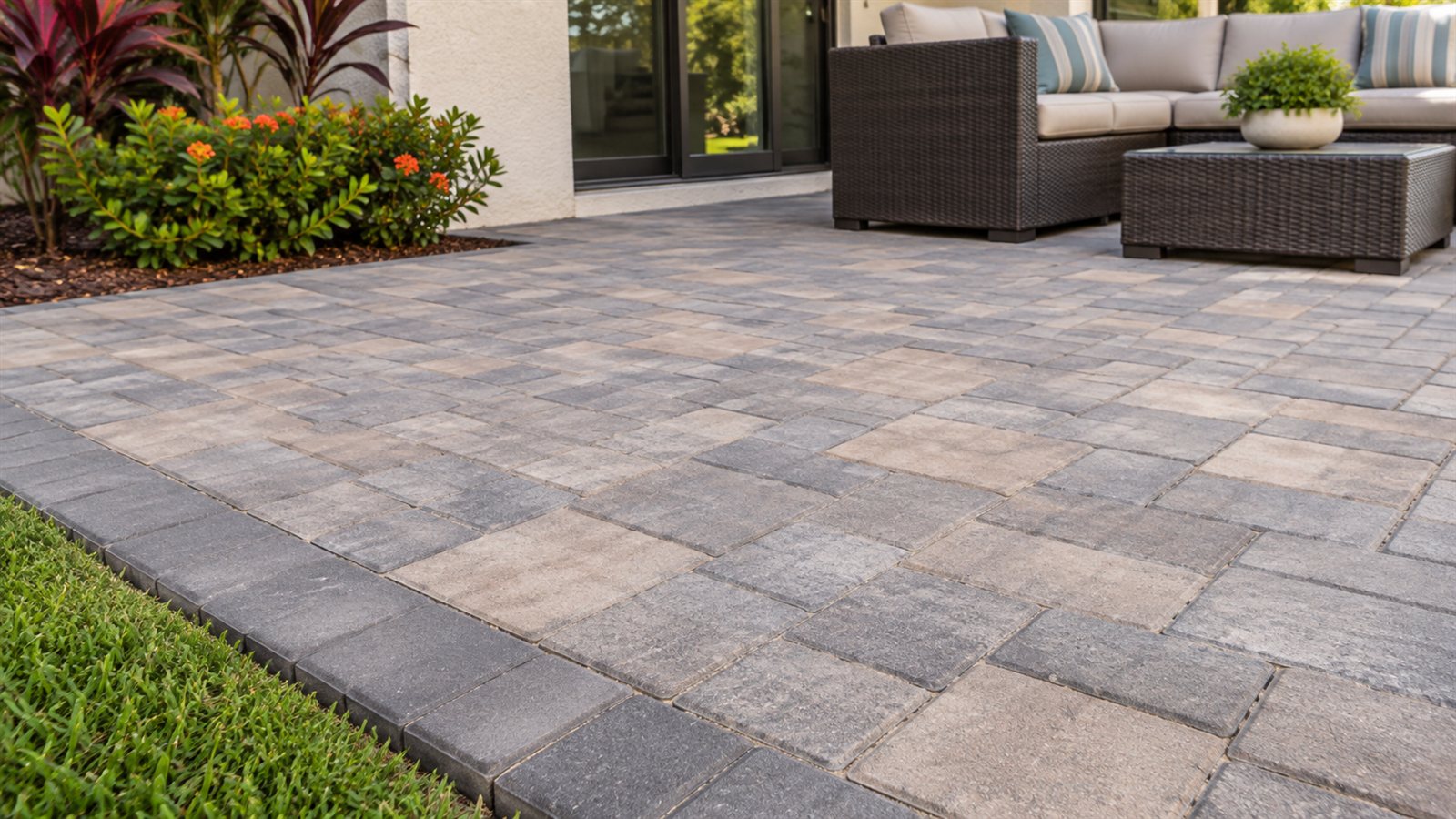
The system's parts work together
Joint material, stable support and suitable boundaries help the units behave as a pavement rather than a loose collection of blocks. A familiar laying pattern does not establish that these other components were provided correctly. Ask the contractor to describe the intended traffic, construction layers and restraint. Appearance is one part of a complete installation.
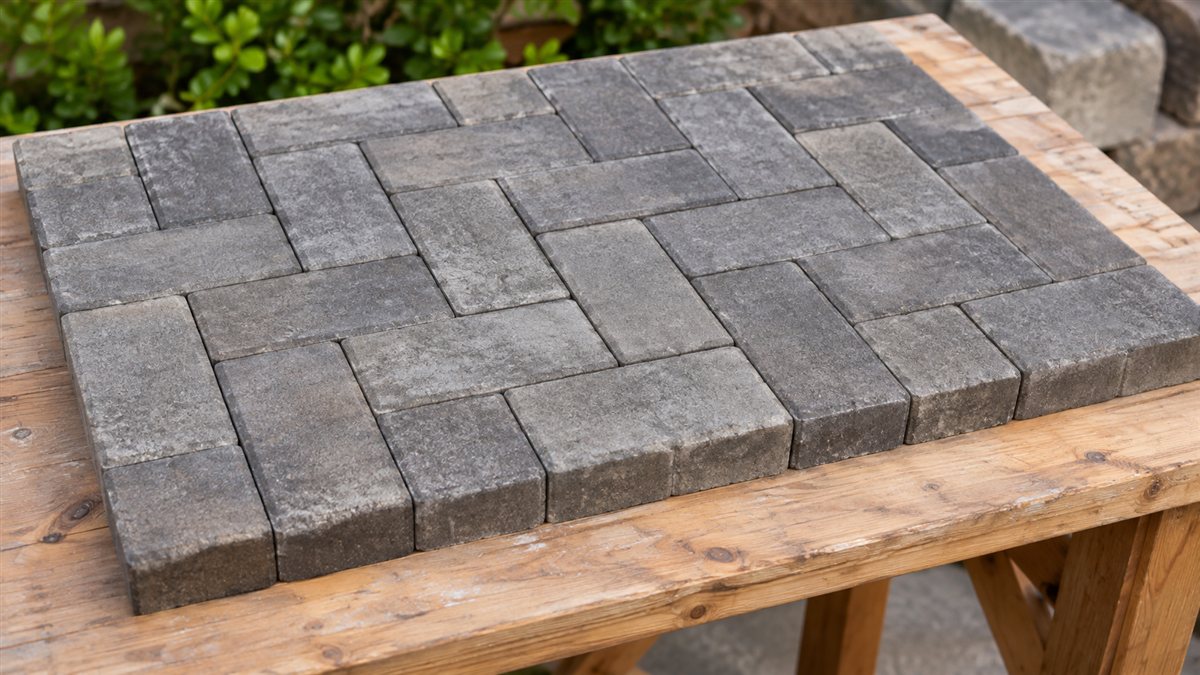
Movement needs a condition-based response
Widening joints, a shifting border or wheel-path depressions may point to different conditions. A repair should identify the affected area and examine the relevant layers and edges. Adding joint material alone does not address every kind of movement. Keep the proposed repair scope tied to what is observed and what the contractor intends to investigate.
A practical homeowner example
A driveway border begins spreading. The contractor considers the restraint and supporting materials instead of assuming a more decorative laying pattern will solve the problem.
This is an illustrative planning scenario, not a report of a particular West Coast Screening project.
Questions to bring to an estimate
- Identify the affected area, intended traffic and existing pavement system.
- Keep unit, joint, bedding, base and soil questions separate.
- Ask how drainage and perimeter restraint are included in the scope.
Frequently asked question
Does herringbone automatically make any driveway strong enough?
No. Pattern choice is only one part of the pavement. Materials, support, joints, restraint, site conditions and intended traffic also matter.
Related glossary terms
For the broader vocabulary, return to the pool cage and screen-enclosure glossary.
Authority sources and further reading
- CMHA — Glossary of Terms for Segmental Concrete Pavement
- CMHA — Application Guide for Interlocking Concrete Pavements
Use these sources within their scope. Manufacturer information applies to the identified product; research and general guidance do not establish a rating or an approved repair for an individual project.