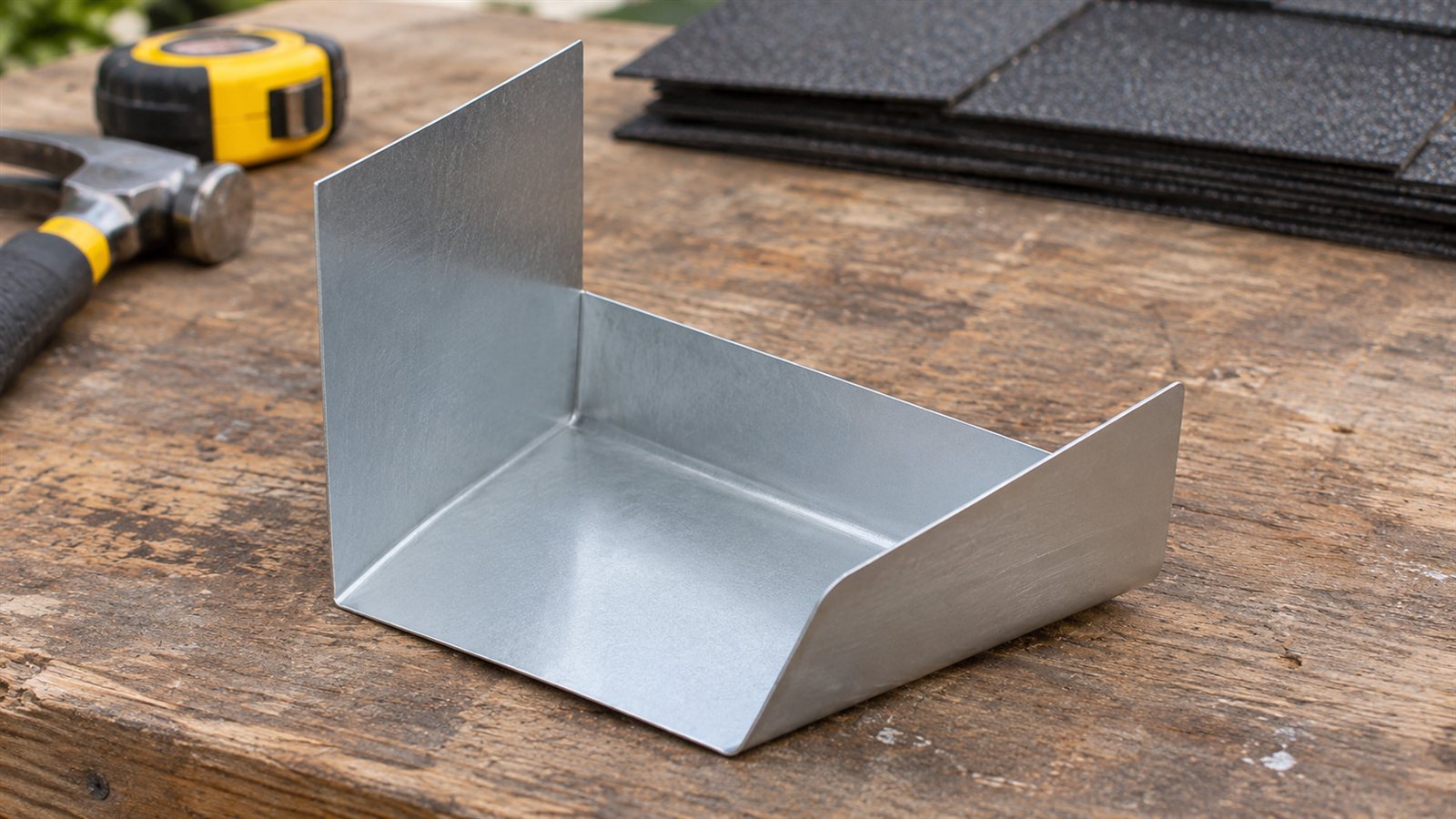
Understand the transition it serves
Where a sloping roof meets a wall, flashing components guide water along the junction. The lower termination needs an appropriate way to turn that water outward. PNNL guidance explains kick-out flashing in this context. It is different from the edge metal along an ordinary eave and should not be confused with a pool-cage kickplate.
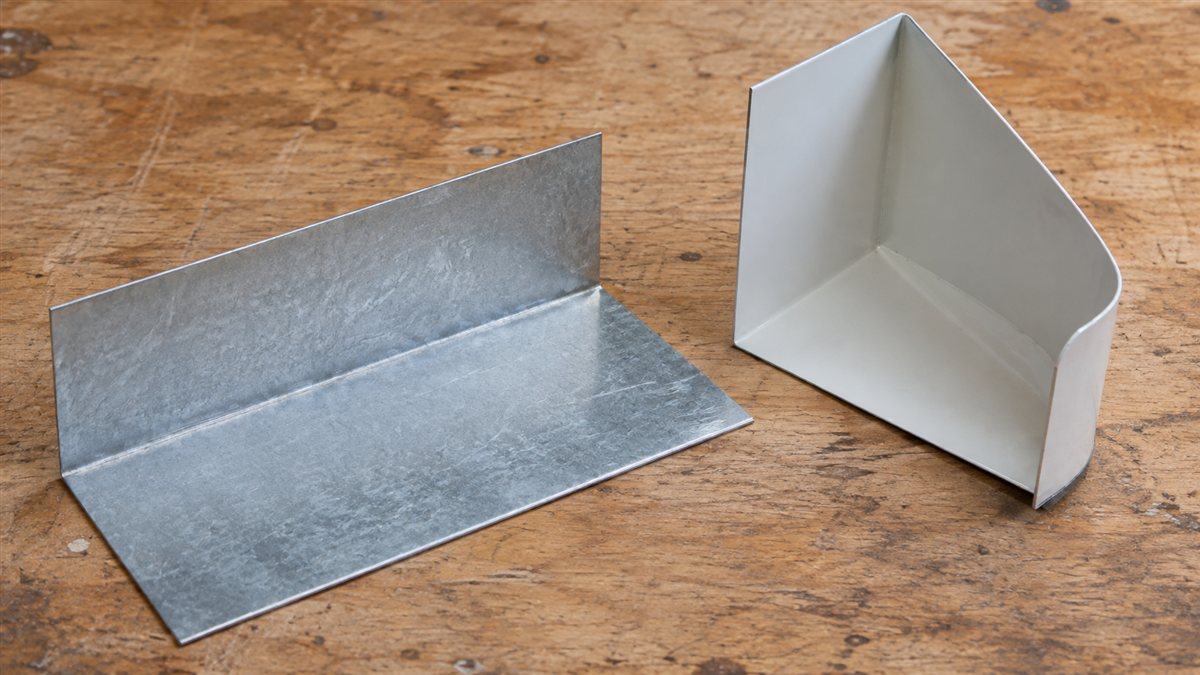
A leak repair should identify the assembly
Water staining near a gutter end can involve a roof-wall junction, gutter or another route. Ask the contractor which component is being evaluated and how the work integrates with adjoining layers. Applying sealant to a visible corner does not demonstrate that concealed drainage is correct. Details depend on the roof and wall system rather than one universal folded shape.
A practical homeowner example
Water stains appear below the end of a roof-wall junction. The contractor reviews the flashing termination and receiving gutter rather than assuming the downspout is the only relevant part.
This is an illustrative planning scenario, not a report of a particular West Coast Screening project.
Questions to bring to an estimate
- Show where the water enters, travels and ultimately discharges.
- Record the symptom separately from the proposed cause and repair.
- Ask how the completed work will be checked under suitable conditions.
Frequently asked question
Is kick-out flashing the same as drip edge?
No. Kick-out flashing diverts flow at a roof-wall termination. Drip edge generally serves the roof perimeter; the components address different transitions.
Related glossary terms
For the broader vocabulary, return to the pool cage and screen-enclosure glossary.
Authority sources and further reading
Use these sources within their scope. Manufacturer information applies to the identified product; research and general guidance do not establish a rating or an approved repair for an individual project.