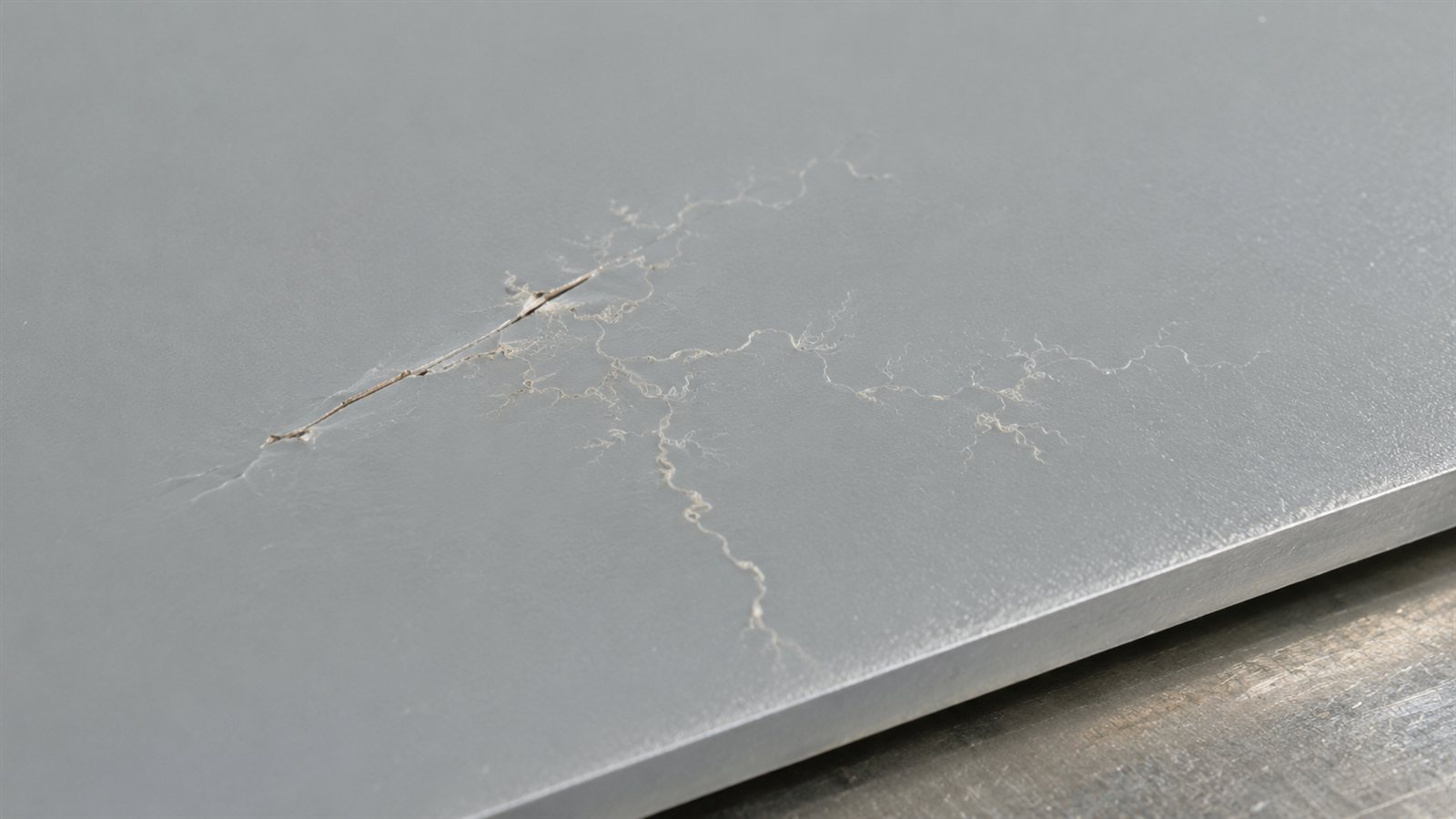
The coating appearance is a clue
Branching trails, blisters or a damaged coating can prompt inspection, but a photograph alone may not establish the mechanism or depth of deterioration. AMPP places filiform among localized corrosion forms. Ask the evaluator to identify whether the concern is coating appearance, underlying material loss or both before deciding on repair.
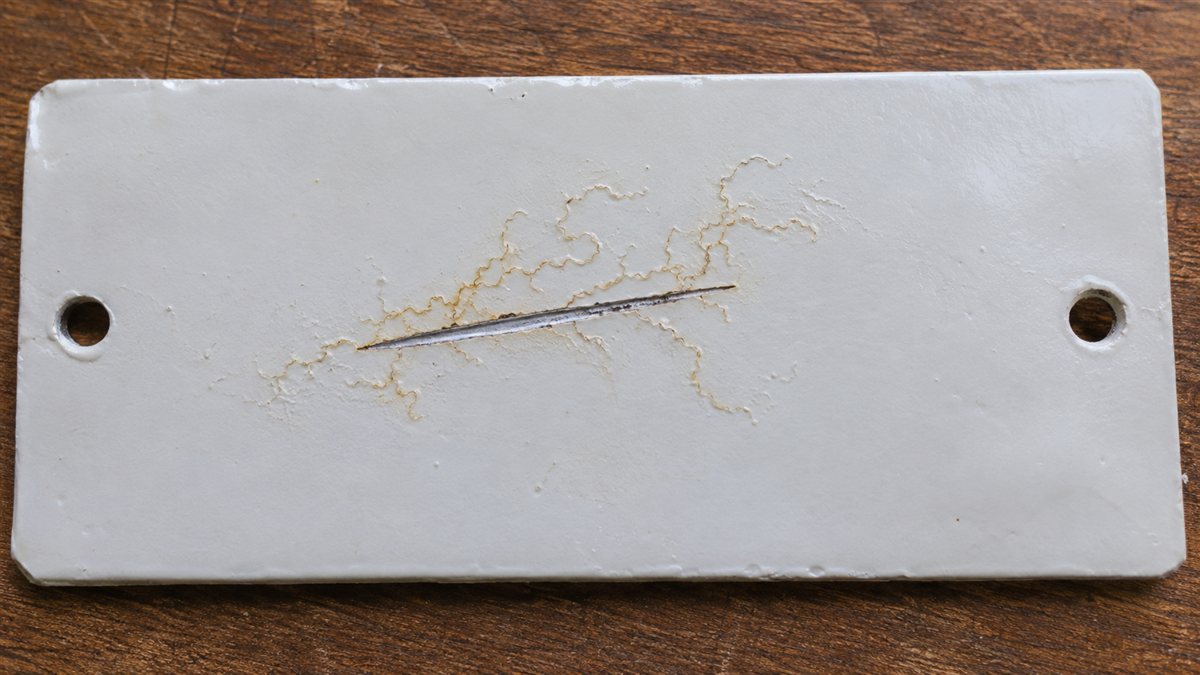
Repainting and structural repair are different scopes
A coating proposal should address compatibility, preparation and the condition beneath the finish. Painting over deposits does not document the remaining metal or repair a damaged connection. Conversely, a visual coating defect does not automatically establish a structural failure. Keep the observed area and the component's actual role in the written assessment.
A practical homeowner example
A homeowner finds fine trails beneath a painted aluminum finish. The contractor documents the surface condition and evaluates the underlying component before offering a cosmetic coating repair.
This is an illustrative planning scenario, not a report of a particular West Coast Screening project.
Questions to bring to an estimate
- Identify the actual component and its connections on the project documents.
- Ask what inspection is included before a replacement is selected.
- Keep changes to framing separate from screen-only or cosmetic work.
Frequently asked question
Does thread-like paint damage always prove severe structural loss?
No. It can justify further evaluation, but appearance alone does not determine remaining section, capacity or the appropriate repair.
Related glossary terms
For the broader vocabulary, return to the pool cage and screen-enclosure glossary.
Authority sources and further reading
Use these sources within their scope. Manufacturer information applies to the identified product; research and general guidance do not establish a rating or an approved repair for an individual project.