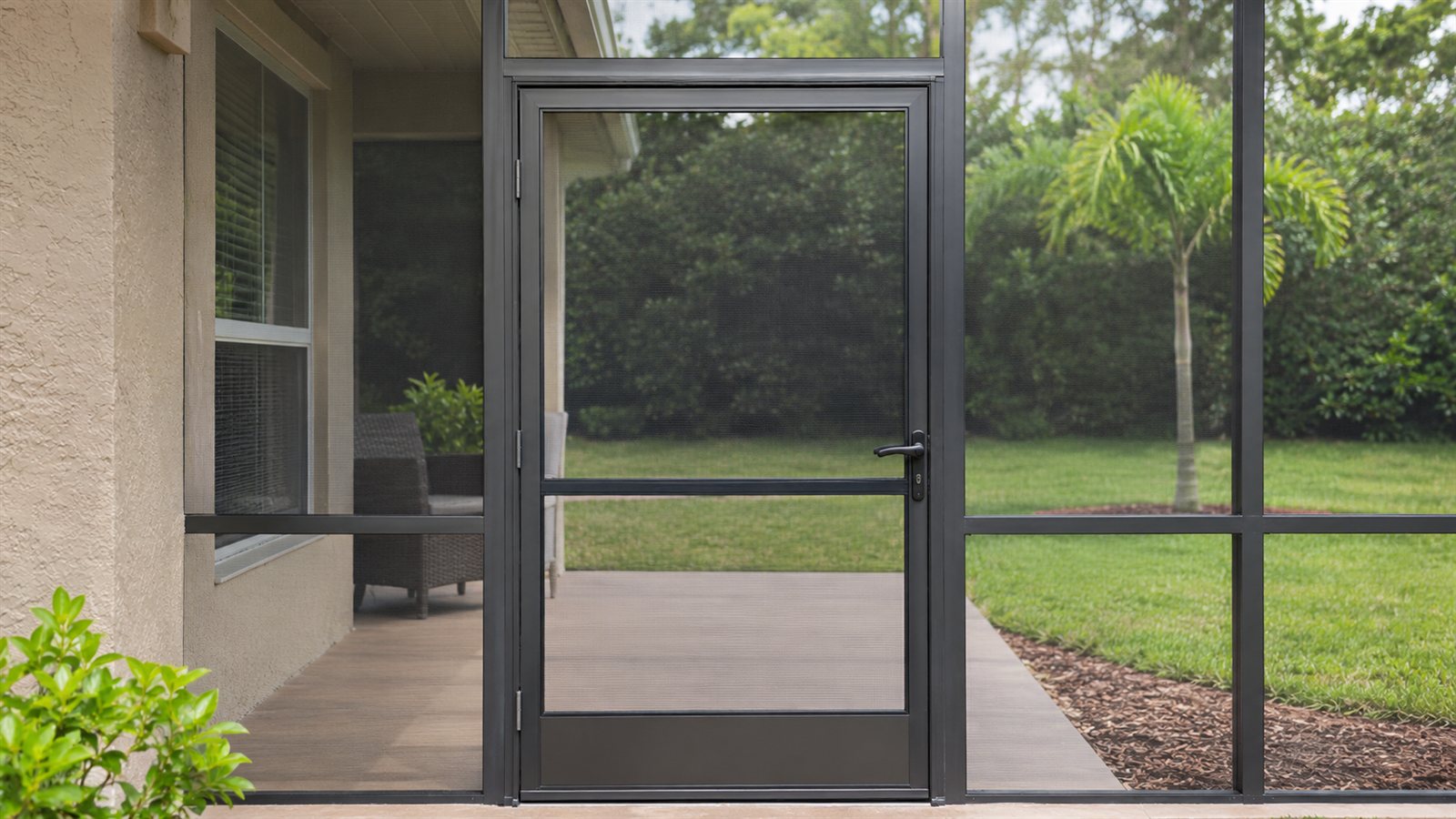
The opening works as an assembly
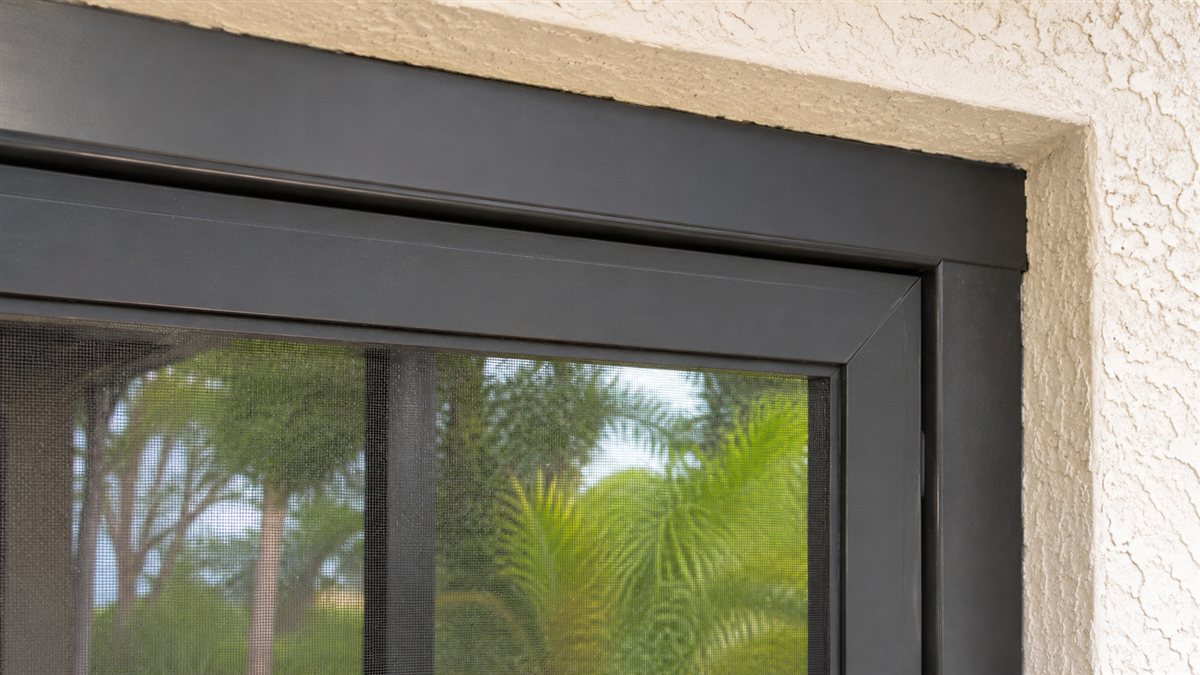
The header, hinge jamb, latch jamb and lower support define the fixed opening. A door that rubs at the top may have several possible causes, including door condition, hardware or opening alignment. Ask the service provider to assess the fixed frame as well as the moving leaf. A top gap alone does not identify which component needs repair.
Changing the opening can change the scope
Widening a doorway or altering framing above it is different from replacing a latch. The proposal should identify any members removed or added and the design or permit review required. Where the doorway serves a pool barrier, closing and latching functions need attention independently of whether the header looks straight.
A practical homeowner example
A new screen door still rubs the top of an old opening. The homeowner requests evaluation of the fixed opening and its attachments instead of repeatedly adjusting the latch.
This is an illustrative planning scenario, not a report of a particular West Coast Screening project.
Questions to bring to an estimate
- Identify the actual component and its connections on the project documents.
- Ask what inspection is included before a replacement is selected.
- Keep changes to framing separate from screen-only or cosmetic work.
Frequently asked question
Is the header part of the moving screen door?
No. It is the stationary member above the opening. The moving framed panel is the door leaf.
Related glossary terms
For the broader vocabulary, return to the pool cage and screen-enclosure glossary.
Authority sources and further reading
Use these sources within their scope. Manufacturer information applies to the identified product; research and general guidance do not establish a rating or an approved repair for an individual project.