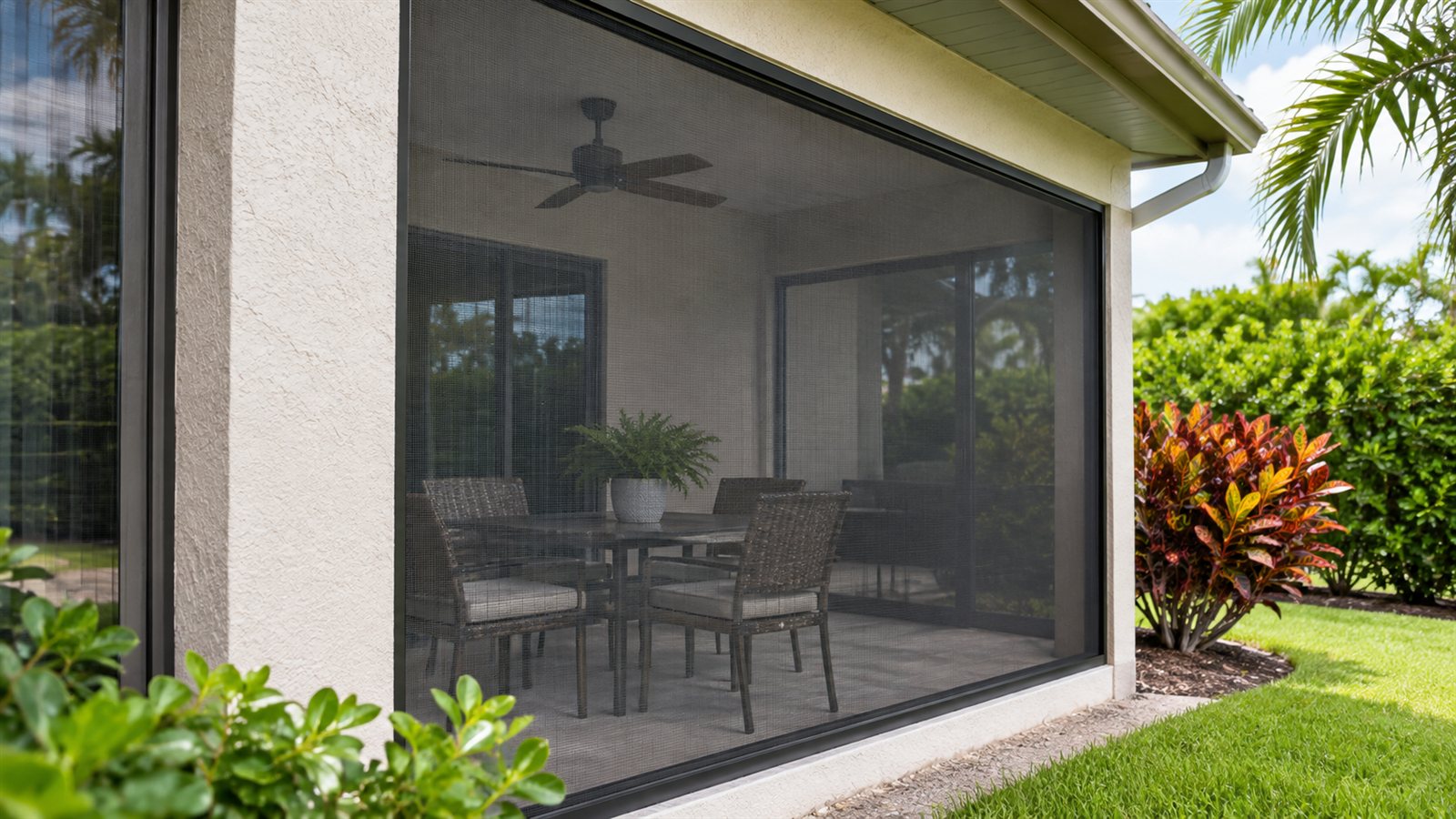
Pressure is different from wind speed
Wind speed is an input to a wind-design procedure. Pressure is a resulting design action that also depends on the applicable method, geometry and other project conditions. A proposal stating only an mph value does not identify the required pressure at every member or connection. Positive and negative signs must be interpreted using the convention stated in the design documents.
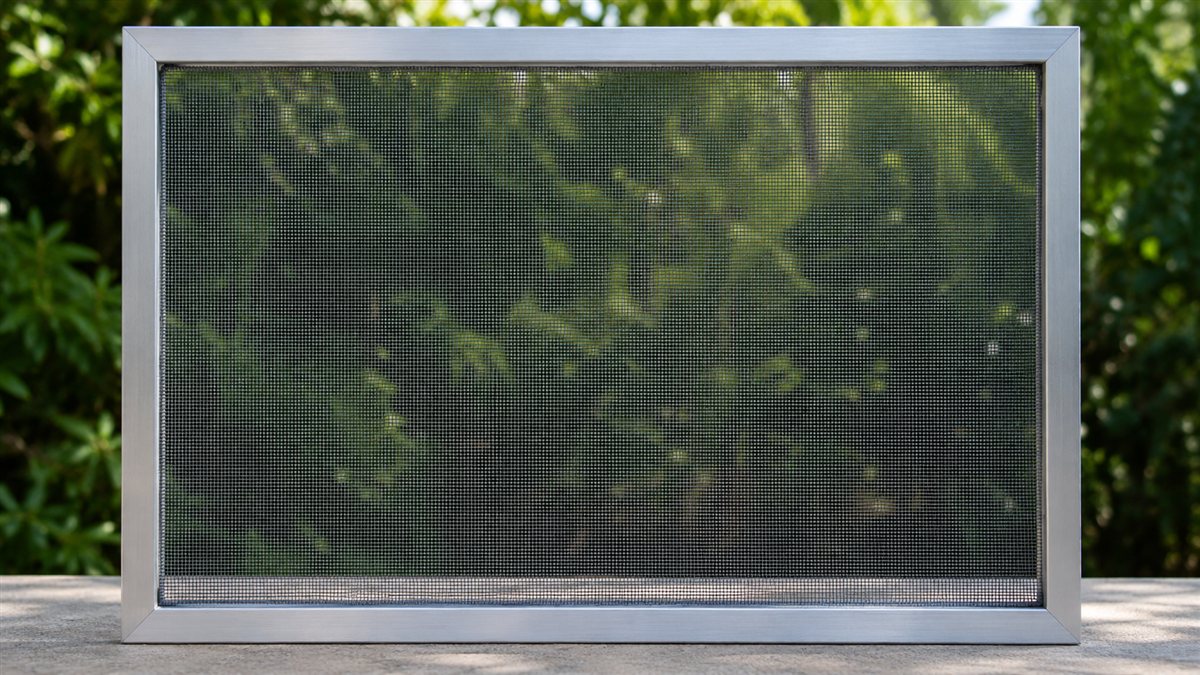
Compare values on the same basis
Ask whether a listed pressure is a required project pressure, a tested product result or an allowable value from published documentation. These numbers serve different purposes. Keep the component location, load direction, units and design basis beside the value. Product documentation also has installation limits; a favorable number does not approve an arbitrary span, support or fastening pattern.
A practical homeowner example
Two roof-panel proposals may display different pressure values while using different support spacing or connection details. The useful comparison includes both the documented demand and the complete proposed assembly, rather than choosing the larger number in isolation.
This is an illustrative planning scenario, not a report of a particular West Coast Screening project.
Questions to bring to an estimate
- Keep the document title, applicable version and project identification together.
- Ask who determines the criteria or approval basis for this particular scope.
- Retain the governing documents and written resolutions of changes.
Frequently asked question
Does a higher pressure number make every enclosure stronger?
No. The value must describe the relevant component, direction and design basis. The full enclosure also depends on members, connections, anchors and supporting construction.
Related glossary terms
For the broader vocabulary, return to the pool cage and screen-enclosure glossary.
Authority sources and further reading
- Florida Building Commission — Code resources
- The Aluminum Association — Designing Aluminum Screened Enclosures
Use these sources within their scope. Manufacturer information applies to the identified product; research and general guidance do not establish a rating or an approved repair for an individual project.