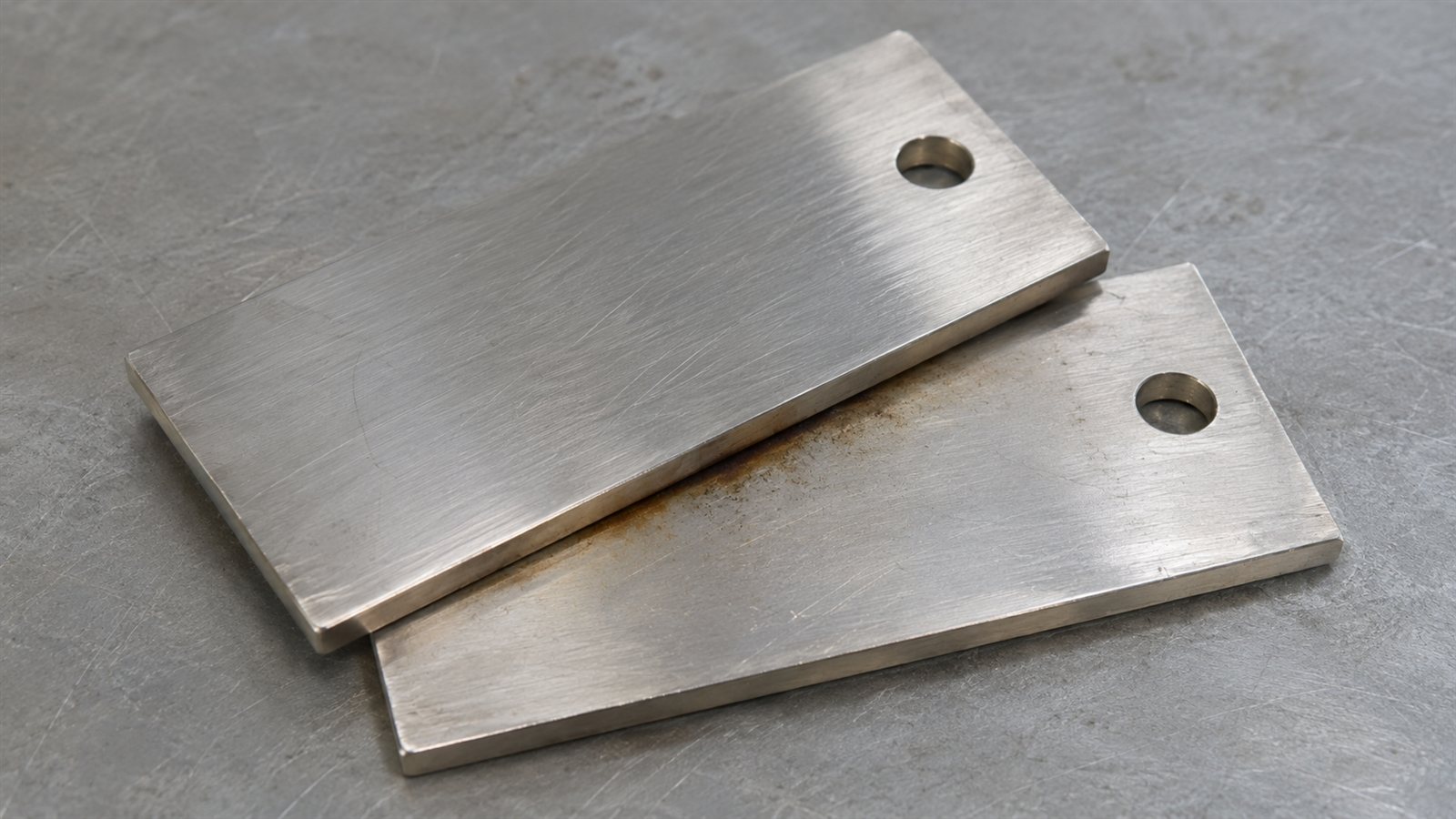
The hidden environment matters
A joint can remain wet or retain contaminants differently from an open surface. AMPP describes the localized chemistry associated with crevice corrosion. This helps explain why a clean visible face may not establish the condition beneath a washer, overlap or fitting. It does not mean every sheltered joint is actively corroding.
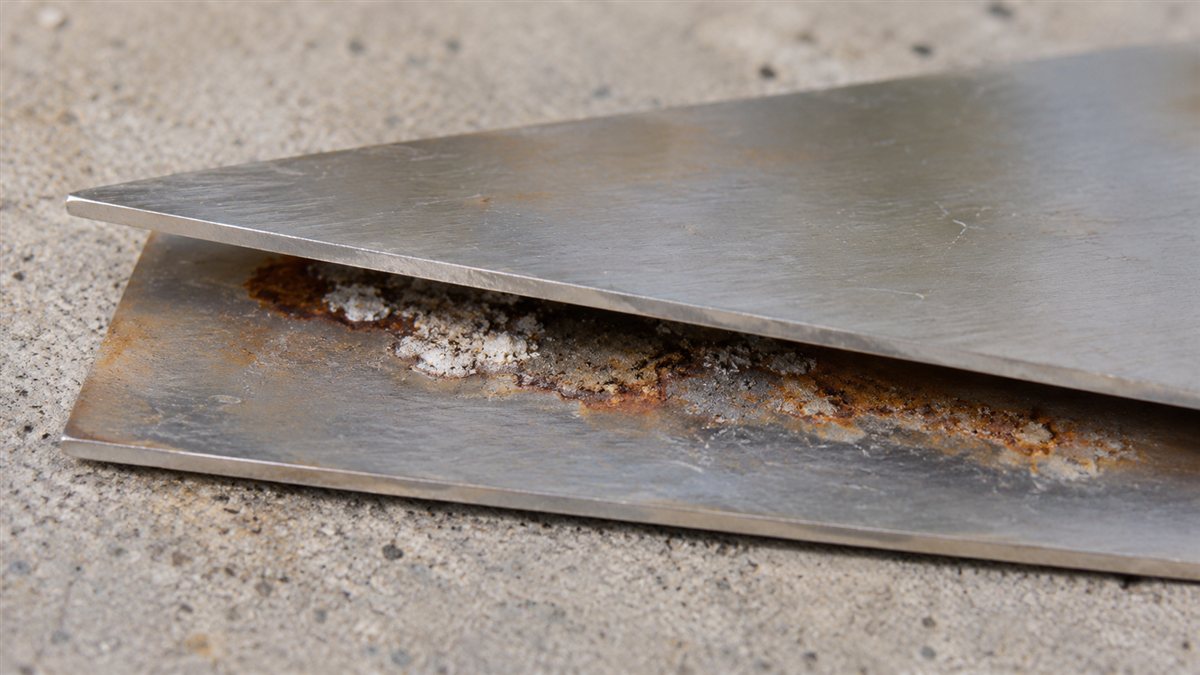
Inspect before choosing a remedy
Record where moisture or deposits collect and ask how the actual connection will be evaluated. Changing one material without considering drainage and joint geometry may leave another concern unresolved. Material selection, protection and maintenance need to be appropriate for the specific assembly. A homeowner should not loosen structural connections merely to look underneath them.
A practical homeowner example
A fastener head looks clean but the joint around it is stained. The contractor considers the concealed interface and inspection scope instead of assuming the visible head represents the whole connection.
This is an illustrative planning scenario, not a report of a particular West Coast Screening project.
Questions to bring to an estimate
- Identify the actual component and its connections on the project documents.
- Ask what inspection is included before a replacement is selected.
- Keep changes to framing separate from screen-only or cosmetic work.
Frequently asked question
Is crevice corrosion simply rust under a washer?
Not necessarily. It describes a localized mechanism and environment, not one color or one metal. Rust is a particular corrosion product of iron-containing material.
Related glossary terms
For the broader vocabulary, return to the pool cage and screen-enclosure glossary.
Authority sources and further reading
Use these sources within their scope. Manufacturer information applies to the identified product; research and general guidance do not establish a rating or an approved repair for an individual project.