
Identify what feeds the collector
A collector may receive water from a particular roof outlet or discharge point. The source, receiving opening and connected pipe form a drainage arrangement. Ask the contractor to identify that route instead of treating the visible box as an isolated decorative item. The exact product and surrounding construction determine its actual use.
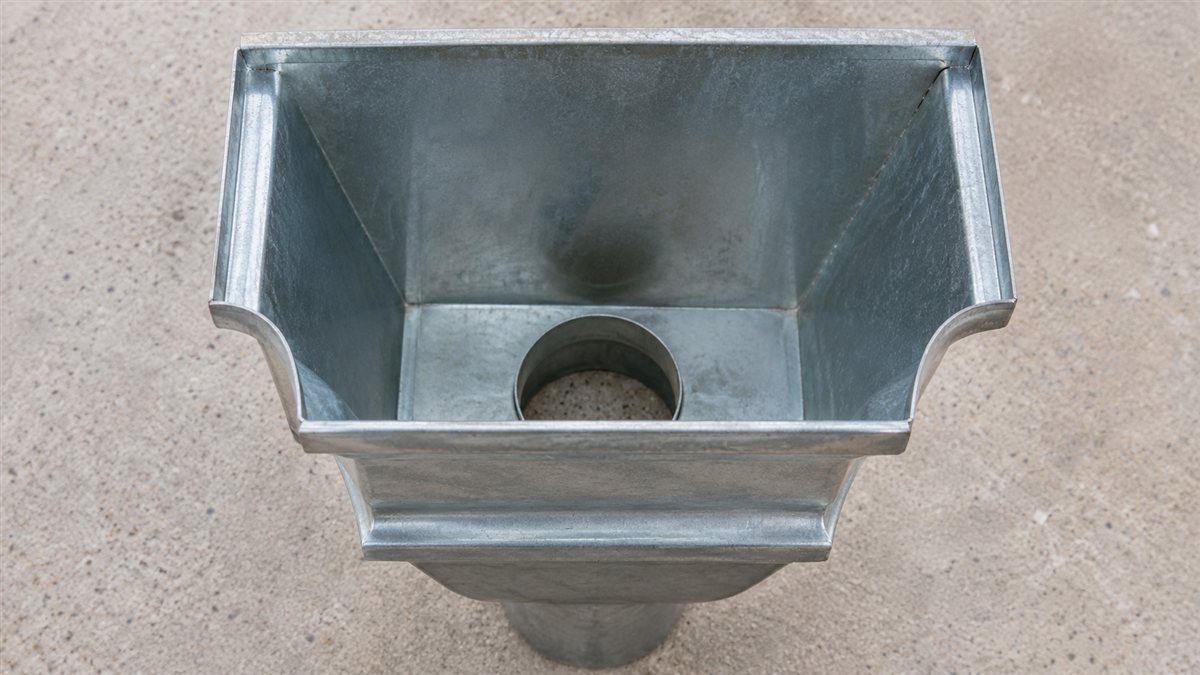
Access and overflow need context
Debris, inlet alignment and downstream restrictions can affect the water route. A repair proposal should distinguish work on the collector, its connection and the receiving downspout. Do not infer capacity from the box's outside dimensions alone. If the location serves a specialized roof-drainage system, its applicable requirements and design documents should govern the review.
A practical homeowner example
A wall-mounted collection box overflows during rain. The contractor checks both the water entering it and the connected leader rather than replacing the box solely because it looks small.
This is an illustrative planning scenario, not a report of a particular West Coast Screening project.
Questions to bring to an estimate
- Show where the water enters, travels and ultimately discharges.
- Record the symptom separately from the proposed cause and repair.
- Ask how the completed work will be checked under suitable conditions.
Frequently asked question
Is a conductor head just another gutter outlet?
No. It is a collecting or transition component. A gutter outlet is the opening and fitting through which a gutter discharges to its pipe.
Related glossary terms
For the broader vocabulary, return to the pool cage and screen-enclosure glossary.
Authority sources and further reading
Use these sources within their scope. Manufacturer information applies to the identified product; research and general guidance do not establish a rating or an approved repair for an individual project.