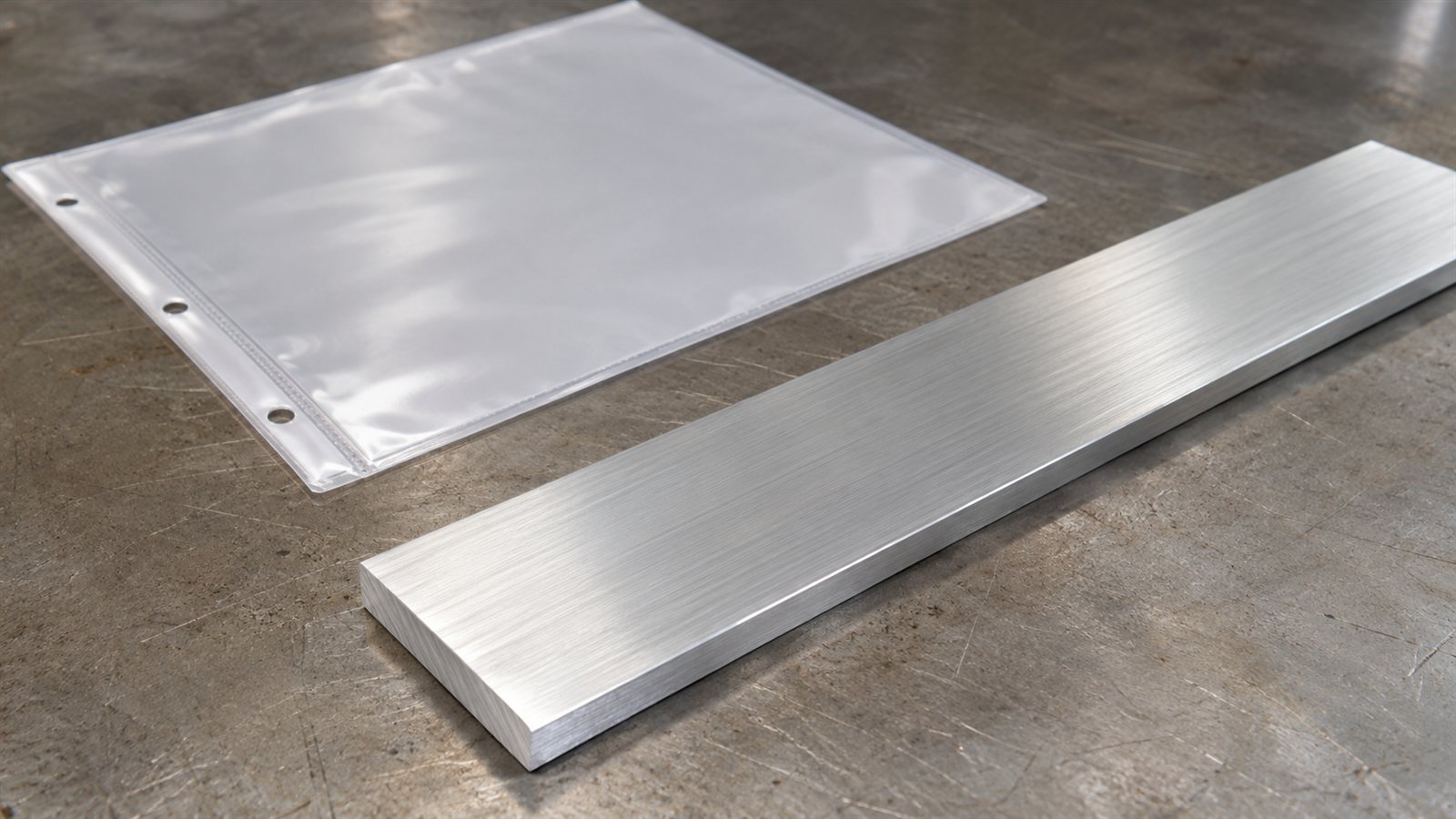
Separate material from geometry
A drawing may specify an alloy and temper as well as an extrusion profile. These fields answer different questions: what the material is, how it has been processed and what shape it has. The Aluminum Association maintains designation standards. A familiar-looking section should not be treated as an equivalent substitution merely because its dimensions match.
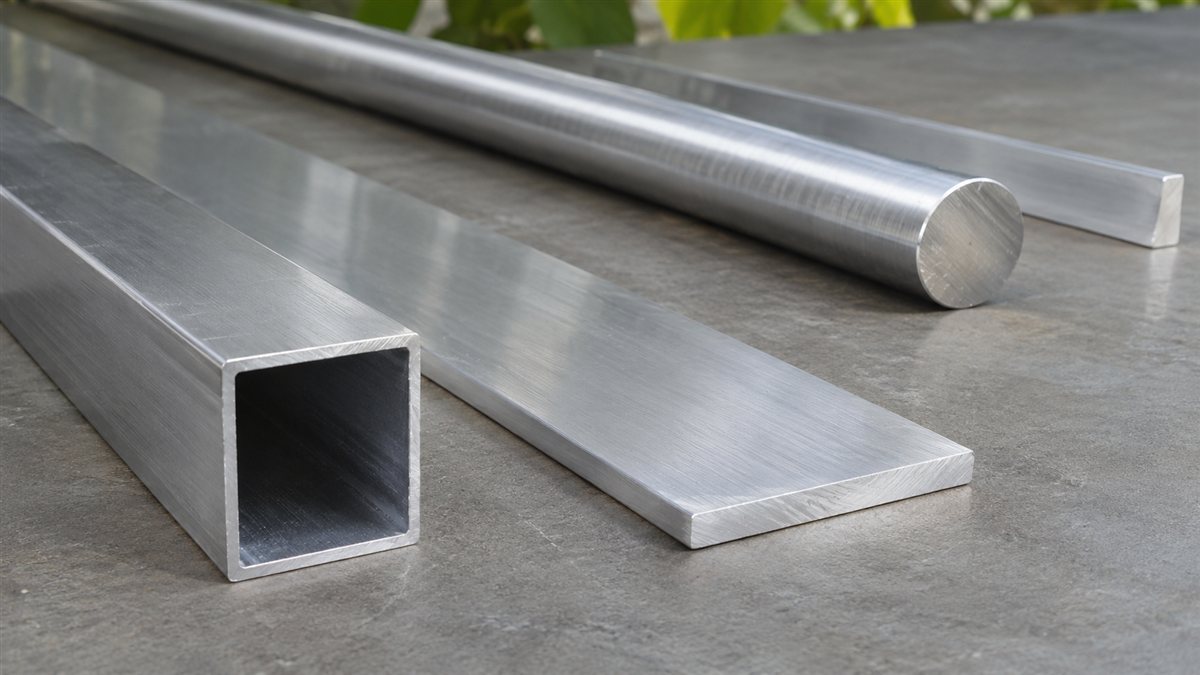
Substitutions require a complete comparison
Ask whether the proposed replacement matches the material designation on the approved documents. If it does not, the project team should explain the basis for accepting the change. A higher-sounding number is not a universal ranking of suitability. Required properties, member configuration and connection details must be considered together rather than selected from a single label.
A practical homeowner example
A supplier offers a similar member with a different temper. The contractor brings the actual product information to the designer instead of assuming the suffix is only a packaging difference.
This is an illustrative planning scenario, not a report of a particular West Coast Screening project.
Questions to bring to an estimate
- Identify the actual component and its connections on the project documents.
- Ask what inspection is included before a replacement is selected.
- Keep changes to framing separate from screen-only or cosmetic work.
Frequently asked question
Does the same alloy number guarantee the same properties?
No. Temper and product form also matter. A complete material comparison needs the relevant designation and specification, not the alloy number alone.
Related glossary terms
For the broader vocabulary, return to the pool cage and screen-enclosure glossary.
Authority sources and further reading
Use these sources within their scope. Manufacturer information applies to the identified product; research and general guidance do not establish a rating or an approved repair for an individual project.