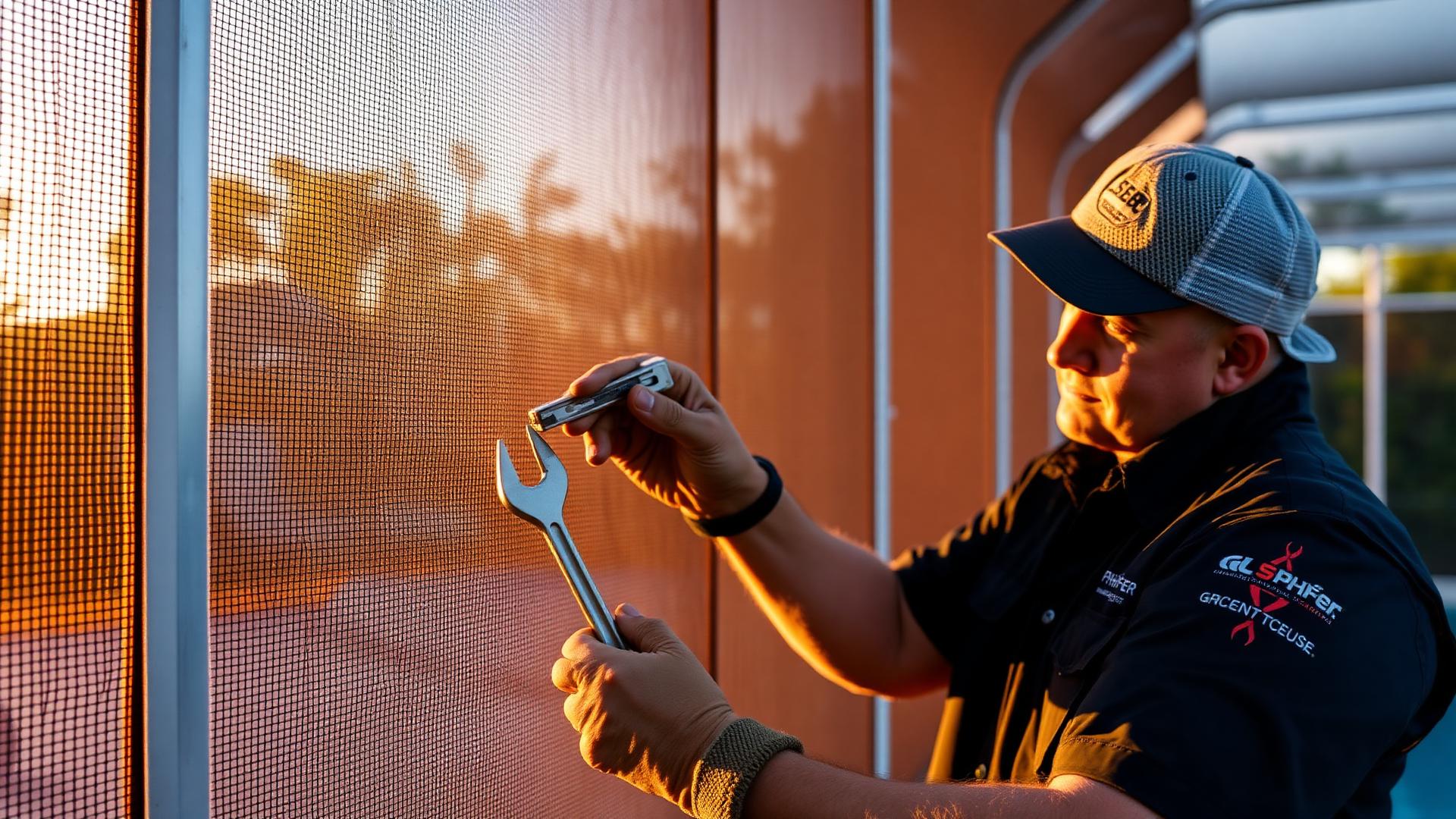
A pool cage in Florida works hard all year. Between sun exposure, heavy rain, humidity, salt air, insects, pollen, hurricane season, and falling debris, regular maintenance helps extend the life of your screen enclosure and keeps your outdoor space clean, safe, and comfortable.
At West Coast Screening and Seamless Gutters LLC, we help Florida homeowners maintain, repair, rescreen, and upgrade pool cages, lanais, screen enclosures, and seamless gutter systems throughout Southwest Florida. This month-by-month plan is designed to help homeowners protect their investment and prevent costly repairs.
January: Start the Year With a Full Pool Cage Inspection
January is a great time to inspect your pool cage after the cooler months and before spring pollen and storm season arrive.
Walk around the entire enclosure and look for loose screens, small tears, sagging panels, damaged spline, loose screws, rusted fasteners, and bent aluminum framing. Check all doors to make sure they close properly, latch securely, and do not drag on the deck.
January checklist:
- Inspect all screen panels for holes, tears, or sagging
- Check door handles, closers, hinges, and latches
- Look for loose or missing screws
- Check for rust stains around fasteners
- Inspect roof panels from the ground
- Remove leaves and debris from corners and tracks
- Schedule repairs before spring demand increases
February: Clean Tracks, Doors, and Hardware
February is a good month to focus on the moving parts of your enclosure. Pool cage doors and entry screens are used often, so they need regular cleaning and adjustment.
Clean door tracks, threshold areas, and bottom rails where dirt, sand, leaves, and small debris can build up. If the door does not close smoothly, the hinges, closer, latch, or handle may need adjustment or replacement.
February checklist:
- Clean door tracks and thresholds
- Check door closers and adjust tension if needed
- Inspect hinges for corrosion
- Tighten loose handles and latches
- Replace worn bug sweeps
- Make sure doors close completely
- Wash dirt and buildup from lower frame sections
March: Prepare for Spring Pollen and Heavy Outdoor Use
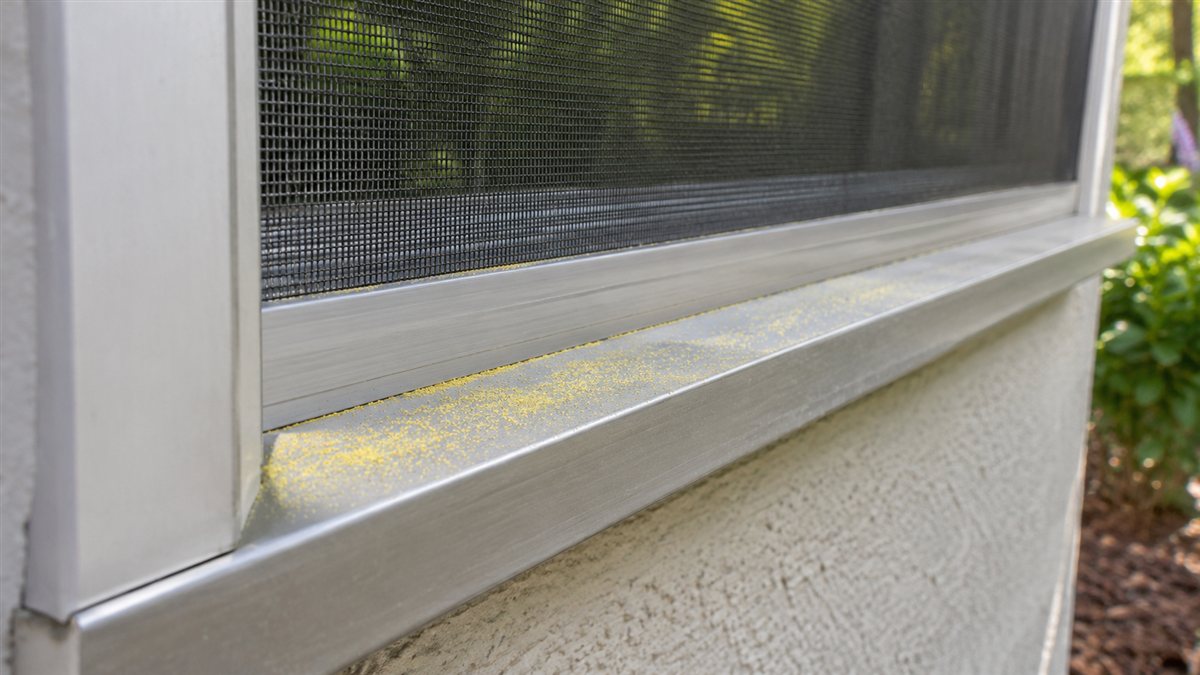
March brings warmer weather, pollen, and more time outside. This is the right time to lightly wash your pool cage and prepare the enclosure for spring and summer use.
Rinse the screens and aluminum frame with a garden hose to remove pollen, dust, and dirt. Avoid using high pressure directly on the screen panels because it can stretch or damage the mesh. Use a soft brush and mild soap for stubborn buildup.
March checklist:
- Rinse screen panels with low-pressure water
- Wash aluminum frame with mild soap
- Remove pollen from screens and rails
- Inspect bottom plates and anchor points
- Check pavers or pool deck for settling near cage posts
- Clear leaves from corners and drains
- Inspect for ants, wasps, or pest nests
April: Check Screens Before Rainy Season
April is the perfect time to repair small screen problems before Florida's rainy season begins. Even a small tear can grow quickly with wind, rain, and daily use.
If multiple panels are torn, brittle, faded, or loose, it may be time to consider a full or partial rescreen. We offer pool cage rescreening, lanai screen repair, door kits, hardware replacement, and screen upgrades for Florida homes.
April checklist:
- Check for small tears and holes
- Look for loose spline around panel edges
- Inspect lower panels for pet or lawn equipment damage
- Repair torn door screens
- Replace brittle or sun-damaged panels
- Consider stronger screen material if damage keeps happening
- Schedule rescreening before hurricane season
May: Hurricane Season Preparation
May is one of the most important months for Florida pool cage maintenance. Hurricane season starts in June, so homeowners should inspect the enclosure before heavy storms begin.
Look for loose screws, weakened fasteners, cracked anchors, damaged doors, loose panels, and debris sitting on the cage roof. Trim back trees and palms that touch or hang over the pool enclosure.
May checklist:
- Inspect all fasteners and screws
- Check for rusted or missing hardware
- Make sure doors latch securely
- Remove debris from roof panels
- Trim branches away from the enclosure
- Check gutters and downspouts near the cage
- Repair weak panels before storm season
- Take photos of your enclosure for insurance records
June: First Month of Hurricane Season
June starts Florida's hurricane season, so the goal is to keep the pool cage clear, secure, and ready for heavy rain and wind.
Remove patio furniture, umbrellas, planters, and loose items that could hit the screen or frame during storms. Clean gutters and super gutters so water drains properly away from the structure.
June checklist:
- Secure or remove loose patio items
- Clean gutters and super gutters
- Check drainage around the pool cage
- Inspect panels after heavy rain
- Watch for sagging roof screens
- Make sure doors are not blown open by wind
- Keep tree debris off the enclosure
July: Mid-Summer Cleaning and Mold Prevention
July is hot, humid, and wet in Florida. This creates the perfect environment for algae, mildew, and dirt buildup on aluminum frames, screen panels, pavers, and pool decks.
A gentle wash can help prevent green buildup and keep your enclosure looking clean. If your pool cage is near saltwater, canals, or coastal areas, rinsing the frame regularly can help reduce corrosion.
July checklist:
- Rinse salt, dirt, and mildew from the frame
- Wash lower rails and corners
- Clean around door frames and thresholds
- Check for algae on pavers and pool deck
- Inspect fasteners for corrosion
- Remove spider webs and insect buildup
- Keep landscaping trimmed away from screens
August: Inspect Roof Panels and Super Gutters
August often brings heavy afternoon storms. This is a good month to check the top of the enclosure, roof screen panels, and gutter connection points.
Roof panels take the most abuse from wind, rain, leaves, and branches. If your pool cage has a super gutter attached to the house, make sure it is draining properly. A clogged super gutter can cause water overflow, staining, and possible damage to the cage or fascia area.
August checklist:
- Inspect roof screen panels from the ground
- Look for sagging or loose roof screen
- Check super gutter for debris
- Confirm downspouts are draining properly
- Remove palm fronds and leaves from the cage
- Check house-to-cage connection areas
- Watch for water stains or overflow marks
September: Peak Storm Season Damage Check
September is one of the most active months of hurricane season in Florida. Keep your pool cage storm-ready and inspect it after strong wind or heavy rain.
After storms, we can help with damaged screen panels, loose spline, door repairs, cage inspections, rescreening, and seamless gutter issues caused by heavy wind or rain.
September checklist:
- Inspect after every major storm
- Check for loose or torn screen panels
- Look for bent aluminum sections
- Test all doors and latches
- Remove storm debris quickly
- Keep photos of any damage
- Schedule repairs before issues get worse
October: Post-Storm Season Cleanup
October is a good time to clean and reset your pool cage after the worst of storm season. Remove leaves, sticks, palm debris, dirt, and mildew that built up during summer.
If panels are stretched, faded, or torn after the season, schedule repairs before the winter months. This keeps the enclosure looking better and prevents insects from entering your lanai or pool area.
October checklist:
- Clean screens and aluminum frame
- Remove leaves from corners and tracks
- Check for summer storm damage
- Repair torn or stretched panels
- Wash mildew from lower frame areas
- Inspect gutters and drainage
- Trim landscaping before winter growth
November: Hardware, Fasteners, and Door Tune-Up
November is a good month for a detailed hardware check. Cooler weather makes it easier to work around the enclosure, and it is a smart time to fix wear before the holidays and winter season.
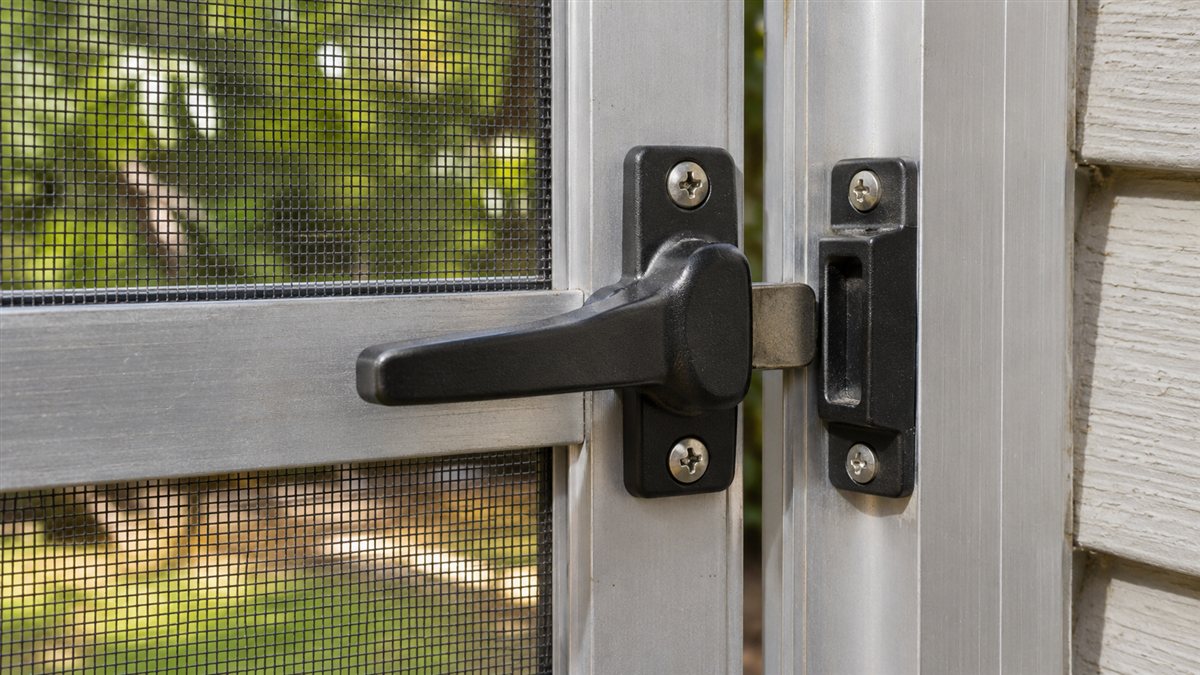
Inspect screws, anchors, door hardware, handles, hinges, closers, bug sweeps, and latches. If screws are rusting, they may leave stains and weaken over time. Many Florida homeowners upgrade to stainless steel fasteners for better long-term performance.
November checklist:
- Tighten loose screws and hardware
- Inspect fasteners for rust
- Check anchors and base plates
- Adjust door closers
- Replace worn handles or latches
- Inspect bug sweeps
- Upgrade damaged hardware when needed
December: Year-End Pool Cage Review
December is the perfect time to do a final year-end review of your pool cage. Look over everything you repaired during the year and make a list of anything that should be scheduled before spring.
If your pool enclosure has multiple torn panels, old spline, faded mesh, loose doors, or rusting hardware, we can inspect the enclosure and recommend whether you need a small repair, partial rescreen, full rescreen, door kit replacement, or gutter service.
December checklist:
- Complete a full enclosure walk-around
- Make a repair list for the new year
- Check all screens, doors, fasteners, and gutters
- Clean tracks and lower frame areas
- Inspect pool deck and drainage
- Review warranty or repair records
- Plan major maintenance before spring
Why Regular Pool Cage Maintenance Matters in Florida
Florida pool cages are exposed to conditions that can wear them down faster than enclosures in other states. Strong sun can weaken older screen mesh. Humidity and salt air can speed up corrosion. Heavy rain and wind can loosen panels, stretch screen, and damage hardware. Palm fronds, branches, and roof debris can create extra pressure on the enclosure.
Regular maintenance helps homeowners:
- Extend the life of the screen enclosure
- Reduce expensive emergency repairs
- Prevent small tears from becoming large panel failures
- Keep insects, leaves, and debris out of the pool area
- Improve curb appeal and outdoor comfort
- Prepare the cage before hurricane season
- Protect doors, hardware, gutters, and frame connections
When to Call West Coast Screening and Seamless Gutters LLC
Homeowners can handle light cleaning and basic visual inspections, but some work should be handled by a professional pool cage contractor.
Call us if you notice:
- Multiple torn or loose screen panels
- Sagging roof screen
- Bent aluminum framing
- Rusted or missing fasteners
- Doors that will not close or latch
- Damaged super gutter or drainage issues
- Screen pulling out of the spline channel
- Storm damage after heavy wind
- Panels too high or unsafe to reach
Our team provides pool cage repair, lanai rescreening, screen enclosure maintenance, seamless gutter installation, gutter repair, and screen upgrades for homeowners across Southwest Florida.
Best Time of Year to Repair or Rescreen a Pool Cage in Florida
The best time to repair or rescreen a pool cage is before hurricane season, especially between January and May. This helps homeowners avoid long wait times and gives the enclosure the best chance of handling summer weather.
After storm season, October through December is also a good time to clean, inspect, and repair damage before the next year.
Homeowners should not wait until a major storm is approaching. Once storms are forecast, contractors are often booked quickly, materials may be harder to get, and small repairs can become urgent.
Florida Pool Cage Maintenance Summary
A Florida pool cage should be inspected regularly, cleaned gently, and repaired before damage spreads. Monthly maintenance keeps the enclosure stronger, cleaner, and more attractive throughout the year. By following this 12-month plan, homeowners can protect their pool area from bugs, debris, sun, rain, salt air, and storm-season damage while getting more life out of their screen enclosure.